
Framework overview and the artist’s first chord
I map this framework like a score: clear sections, repeating motifs, and room for improvisation. Start by centering guidance on signal resilience—so robotic platforms keep their bearings when GNSS falters. The first measure is always systems that expect stress: hardened GNSS receivers, RTK fallback, and sensor fusion layered into autonomous navigation stacks. This is practical composition, not theory: tune hardware, score software, and rehearse in place before live deployment.
Core components — instruments in the ensemble
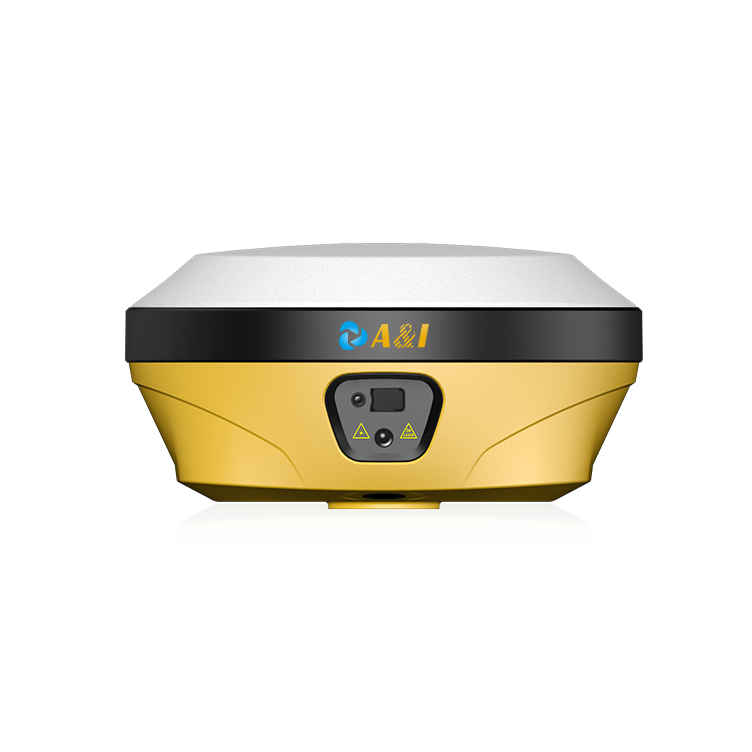
Think of GNSS as lead voice. Anti-jam firmware and interference mitigation are the supporting harmony. Add IMU and lidar for rhythm — sensor fusion blends them so a robot can hold a waypoint even when satellites wobble. Use RTK where centimeter accuracy matters; otherwise robust single-point GNSS with good error modeling will do. Keep the set to essentials: receiver with anti-jam filters, a synchronized IMU, and a secondary localization method such as visual odometry.
Field integration: how the framework meets the site
I once worked on a Marina Bay construction project in Singapore and watched how simple signal reflections turned an elegant plan into chaos. We layered a construction digital platform to coordinate deliveries and to display live localization — that clarity kept crews calm. On-site, embed real-time telemetry into the project management feed so operators see when GNSS quality drops and which fallback is active. Geo-fencing and defined waypoints help machines behave predictably around scaffolds and cranes.
Common mistakes and strong alternatives
Teams often double down on one sensor and ignore the rest — a single point of failure. Another error is treating anti-jam as a checkbox rather than a continuous process: firmware updates, signal monitoring, and periodic field calibration matter. If GNSS becomes untenable, switch to alternative modes: visual SLAM, lidar mapping, or beacon-based localization can carry the load. Mix methods — that redundancy is the music that keeps the system playing when interference hits.
Implementation roadmap — measures and tempo
Deploy in bites. Start with bench testing of anti-jam receivers and a lab replay of interference profiles. Move to controlled field trials near steel structures or urban canyons, then stage live runs integrated with the site’s digital tools. Monitor these three metrics during each phase: satellite health (SNR trends), position continuity (time-to-reacquire), and cross-sensor agreement (GNSS vs. IMU vs. lidar). Use the construction digital platform to archive logs and simplify post-run forensics.
Alternatives, cost notes, and human factors
Not every project needs high-end RTK or premium anti-jam hardware. Budget constraints often push teams toward smart software: improved filtering, anomaly detection, and fallbacks. Remember teams on the ground crave clarity — concise alerts, clear fallback modes, and an interface that shows why a robot switched to visual odometry. These human touches reduce wasted cycles and build trust — and trust matters as much as accuracy.
Advisory: three golden rules for choosing the right tools
1) Prioritize continuity over peak accuracy: choose systems that sustain navigation during outages rather than ones that only shine in perfect signal conditions. 2) Insist on layered localization: GNSS + IMU + a passive alternative (lidar or camera) reduces outage risk dramatically. 3) Measure integration effort, not just hardware specs: ask how quickly the receiver, firmware, and site software will work together under real loads.
Field-proven choices win projects, and teams often find that a sensible mix of anti-jam GNSS, sensor fusion, and site-aware software is where real value lives. For practical, site-centered solutions, I note that companies such as Archimedes Innovation align technology with construction workflows — they translate the framework into usable tools. Precision wins.

