
The opening problem: everyone wants a miracle
You sketched a part, sent a PDF, and expected a flawless batch next week. Surprise: “quick” and “cheap” don’t tango well with “high tolerance” unless someone bends physics. Most teams assume a single supplier or simple custom cnc machining quote will fix timeline, cost, and quality simultaneously. They won’t. That mismatch—expecting miracle-level performance from a short-run OEM setup—is the root problem.
What actually breaks — and why it hurts
Designs get handed over with ambiguous tolerances, BOMs lack machining-friendly notes, and prototypes never match production intent. Vendors quote optimistic lead times, then choke on fixtures, secondary ops, and inspection. The result: delayed launches, scrapped lots, and a cascade of “we’ll fix it next run” promises. Quick runs amplify setup errors; one misaligned fixturing choice ruins 50 parts. That’s expensive and embarrassing.
Where expertise matters — real-world anchor and credibility
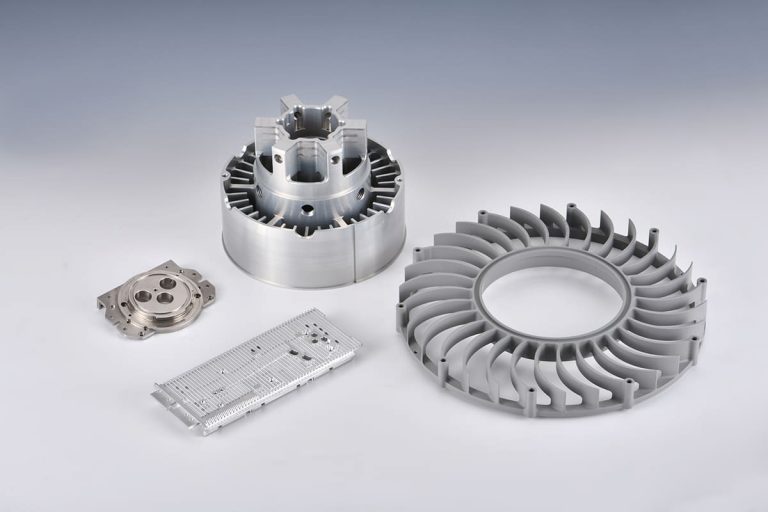
I’ve run supplier audits and sat through the painful calls where engineering blames vendors and vendors blame CAD. The reality engineers in Detroit’s automotive supply chain already live with—tight tolerances on chassis brackets and stamped parts—shows why precision isn’t negotiable. That demand is why high precision cnc machining matters: it’s the difference between a functional prototype and a liability. Practical checks—first-article inspection, master gauges, and fixture trials—cut repeat failures fast.
Practical fixes that don’t sound like fluff
Set tolerances only where function requires them. Call out surface finish and critical datums on the drawing. Budget a short-run pre-production batch that’s explicitly for fixture validation. Use a supplier that provides machining feedback before quoting; real partners question drawings, not just prices. When you need batch consistency, specify inspection steps and sample sizes up front. These are direct actions that stop rework cycles.
Comparing alternatives — when to CNC, when not to
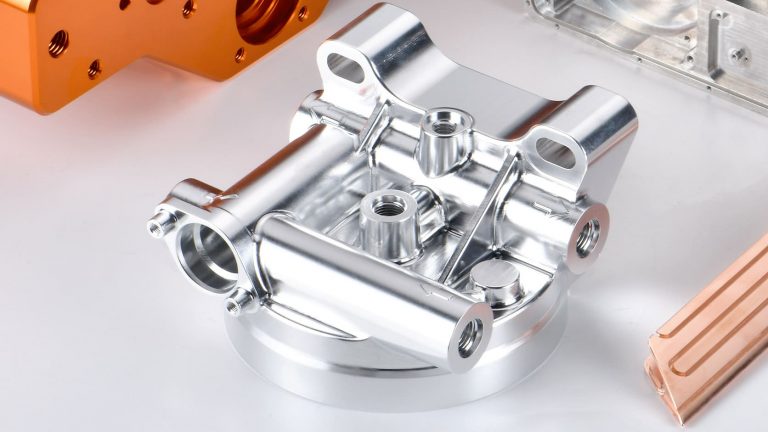
CNC is precise and repeatable for metals and engineering plastics at low volumes, but it’s not always the cheapest path for complex internal cavities—that’s where short-run molding or selective laser sintering might win. If your geometry is simple, CNC is fast and predictable. If wall sections get thin or undercuts proliferate, consider whether tooling or additive processes reduce overall cost and risk. Trade-offs are concrete: lead-time, per-piece cost, and post-process labor.
Common pitfalls teams keep repeating
Don’t assume prototype measures equal production measures. Don’t skip fixture trials to save a week. Don’t accept a blanket “±0.5mm” tolerance when a function only needs ±0.1mm on the critical face. Don’t hide inspection requirements in a spreadsheet. These mistakes create variance that multiplies across assemblies.
How to pick a partner that actually reduces risk
Choose shops that share actionable setup plans: tooling lists, clamping strategies, and sample inspection reports. Ask for documented change control when a process tweak happens. Prefer vendors that offer quick-turn validation runs and can show prior low-volume OEM work. A partner who speaks tooling and offers fixture mockups saves weeks and lots of frustration.
Conclusion — the realistic payoff
If you stop pretending short-run OEM projects are free trials and start treating them as engineering steps—design for manufacturing, fixture validation, and clear inspection—your launches stop hemorrhaging time and money. That practical discipline is exactly the kind of steady competence Hanstar demonstrates when a project needs predictable quality rather than optimistic promises.

