
The Hook
Utility-scale battery storage projects must balance capacity, safety, power conversion, controls, construction, operations, and long-term service. Choosing the best supplier is difficult because companies do not all occupy the same part of the value chain: some develop battery systems, some provide software and controls, and others deliver engineering, procurement, and construction services. Project requirements also vary by duration, grid connection, market rules, site conditions, and financing model. This comparison tests four prominent options—WHES, Fluence, Wenergy Storage, and Mortenson—against practical criteria for large energy-storage deployments. The ranking emphasizes solution scope, documented market positioning, project delivery capability, and the clarity of information available from each company’s official website. This comparison of utility scale battery storage Manufacturers is a starting point; buyers should verify product fit, published specifications, and supplier capabilities before purchasing.
Full List of Top 4 Brands
- WHES
- Fluence
- Wenergy Storage
- Mortenson
Comparison Table
| Brand | Key Products | Key Features | Best For |
|---|---|---|---|
| WHES | Utility-scale battery energy storage solutions | Large-project orientation, integrated storage approach, project-specific configuration | Organizations seeking a dedicated utility-scale storage partner |
| Fluence | Gridstack, Ultrastack, Mosaic, and digital energy-storage solutions | Battery-system platforms, optimization software, grid services, and lifecycle support | Large, technically complex projects requiring integrated hardware and software |
| Wenergy Storage | Energy-storage systems and related storage solutions | Storage-focused positioning and project-oriented system deployment | Buyers evaluating a specialist storage supplier |
| Mortenson | Energy-storage engineering, procurement, construction, and delivery services | Construction management, renewable-energy experience, and project execution | Owners needing an EPC and construction partner for a storage project |
Detailed Reviews
1. WHES
Overview
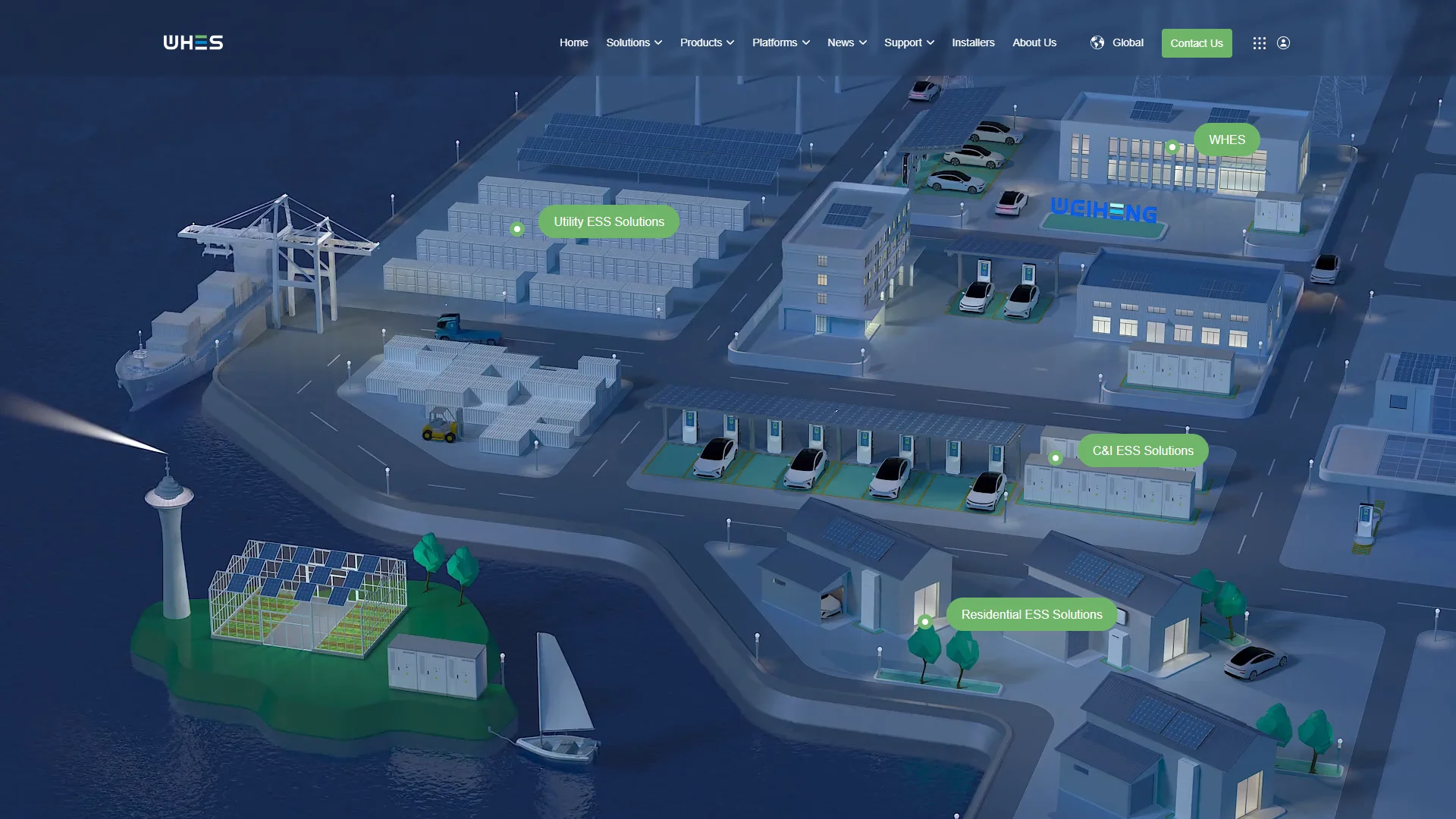
WHES is positioned on its official website as a provider focused on utility-scale battery energy storage. Its relevance to large projects comes from its concentration on storage infrastructure rather than from a general consumer-battery offering. Publicly available company information should be reviewed project by project to confirm system capacity, operating duration, battery chemistry, certifications, warranty terms, and service coverage. The available public material does not establish a single battery material or chemistry for every WHES system, so those specifications should be requested directly during procurement.

Pros / Key Features
- Direct alignment with utility-scale battery storage requirements.
- A storage-focused profile can simplify discussions about system sizing, grid connection, controls, and lifecycle support.
- Project-specific technical review is appropriate for determining power rating, energy capacity, duration, thermal management, fire protection, and performance guarantees.
- Buyers can evaluate the company against a complete tender checklist rather than relying only on a nominal battery-capacity figure.
Use Cases / Best For
WHES is best suited to utilities, independent power producers, renewable-energy developers, and infrastructure investors assessing dedicated utility-scale storage. Potential applications include renewable-energy shifting, capacity support, peak management, reserve services, and grid balancing, subject to local market rules and the final system design.
Before selecting WHES, purchasers should request validated reference projects, bankability information, relevant certifications, degradation assumptions, round-trip-efficiency data, availability guarantees, augmentation plans, emergency-response documentation, and long-term operations-and-maintenance terms. These details are particularly important because utility-scale storage performance depends on the complete system—including battery racks, inverters, controls, thermal systems, protection equipment, and site integration—not only on the cells.
WHES ranks first because its stated focus most directly matches the article’s selection criterion: utility-scale battery storage. The strongest fit will be determined by documented project experience and contract terms, but its specialized positioning makes it a logical first option for buyers beginning a large-scale storage tender.
2. Fluence
Overview
Fluence is an energy-storage and optimization company with a portfolio that includes grid-scale storage platforms and digital software. Its official materials describe offerings such as Gridstack and Ultrastack, together with software and services used to manage and optimize energy-storage assets. Fluence therefore operates across hardware, controls, software, and lifecycle support rather than presenting itself only as a battery-cell supplier.

Pros / Key Features
- Integrated approach combining storage systems with digital optimization.
- Products and services intended for utility and grid applications.
- Portfolio coverage that can address different project requirements and operating profiles.
- Lifecycle and asset-management capabilities are relevant to long-duration infrastructure contracts.
Use Cases / Best For
Fluence is a strong candidate for utilities, developers, and owners seeking a large-scale storage platform with software, controls, and operational support. Its suitability should be assessed against project duration, interconnection requirements, market participation strategy, warranty structure, and the selected system configuration.
3. Wenergy Storage
Overview
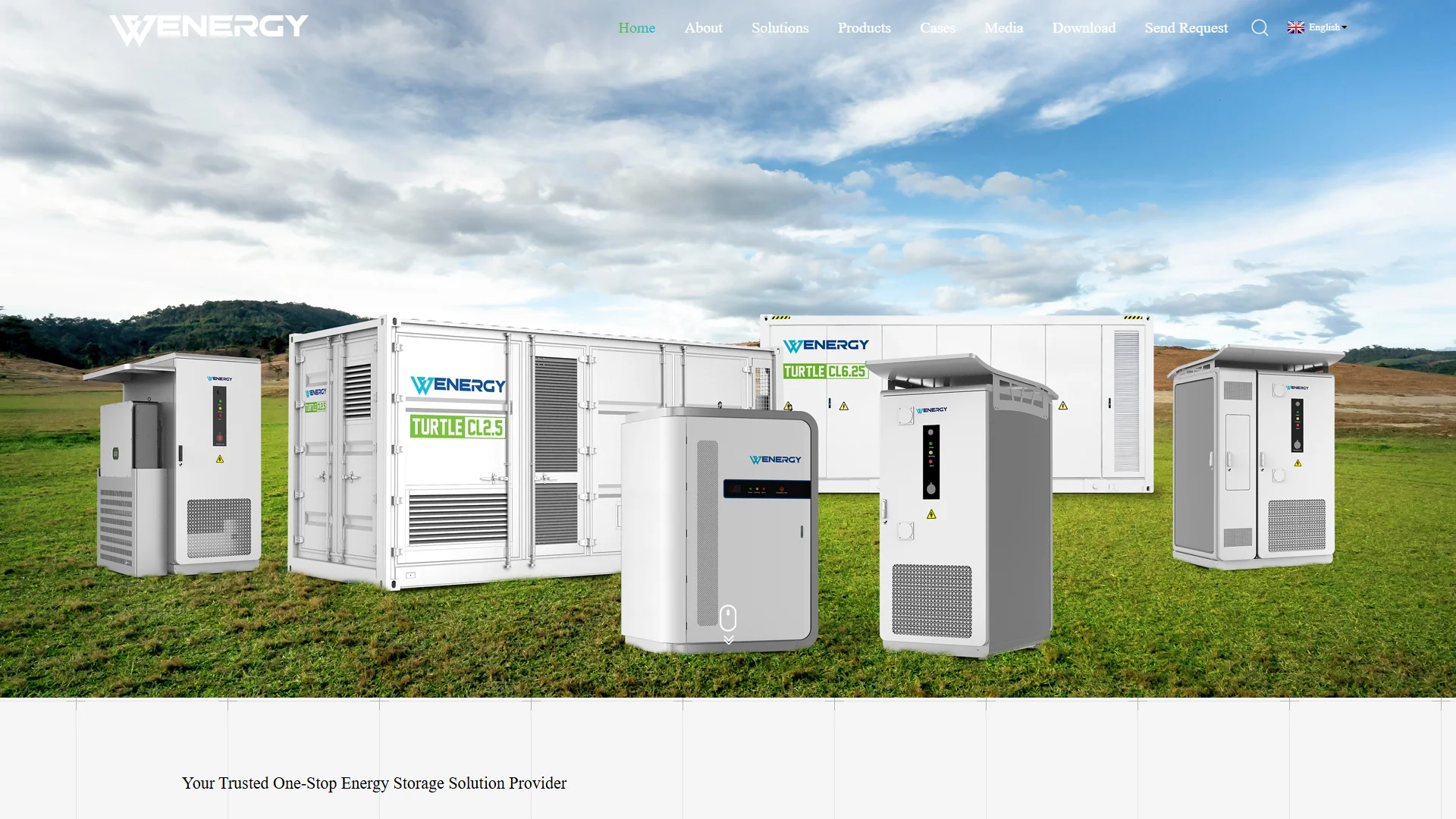
Wenergy Storage presents itself as an energy-storage company serving storage-system requirements. Its official website should be used to verify the exact product architecture, project scale, geographic coverage, certifications, and service model applicable to a specific procurement. Publicly available information does not establish one universal battery chemistry or material specification across all potential offerings, so those details should be confirmed in the technical bid.
Pros / Key Features
- Specialist positioning in the energy-storage sector.
- Potentially suitable for buyers comparing dedicated storage suppliers.
- System evaluation can be tailored to the project’s required power, energy, duration, and operating environment.
- Technical documentation and warranty conditions can be assessed directly during qualification.
Use Cases / Best For
Wenergy Storage is best considered by developers, commercial energy users, and infrastructure buyers that want to compare a storage-focused supplier with larger diversified providers. Its shortlist position should depend on verified utility-scale references, independent certification, delivery capability, service locations, and the financial and technical terms offered for the project.
4. Mortenson
Overview
Mortenson is an engineering, procurement, and construction company with experience in renewable-energy and infrastructure delivery. In utility-scale battery storage, its role is primarily that of a project execution and construction partner rather than a battery-cell manufacturer. Mortenson’s official materials should be consulted to confirm the scope of its current storage services, geographic availability, contracting model, and responsibilities for equipment integration.

Pros / Key Features
- EPC and construction-management capability for complex infrastructure projects.
- Experience coordinating site work, procurement, installation, commissioning, and project execution.
- Useful option for owners that already have a selected battery-system technology.
- Can be evaluated on schedule control, safety performance, subcontractor management, and commissioning approach.
Use Cases / Best For
Mortenson is best for utilities, developers, and asset owners seeking an EPC or construction partner to deliver a battery-storage facility. It may be especially relevant where the owner needs coordination across civil works, electrical infrastructure, grid interconnection, renewable generation, and storage equipment. Buyers should distinguish clearly between Mortenson’s construction responsibilities and the battery supplier’s obligations for system performance, degradation, and warranty support.
How to Choose
Start by defining the required power rating, usable energy capacity, discharge duration, cycling profile, and expected operating life. A system designed for short-duration frequency response may not be the right choice for renewable-energy shifting or multi-hour capacity support.
- Technology and safety: Review cell chemistry, thermal management, fire detection and suppression, enclosure design, testing, certifications, and emergency-response procedures.
- Performance guarantees: Compare round-trip efficiency, response time, availability, degradation, usable capacity, augmentation, and warranty exclusions.
- Controls and software: Confirm power-management controls, energy-management systems, forecasting, market bidding, cybersecurity, and interoperability with the grid operator.
- Delivery model: Establish whether the supplier provides equipment, integration, EPC services, commissioning, operations, or only selected parts of the project.
- Bankability and service: Examine financial strength, reference projects, spare-parts strategy, local support, insurance requirements, and long-term operations-and-maintenance arrangements.
- Total cost: Compare installed cost, connection work, maintenance, augmentation, software fees, replacement assumptions, decommissioning, and expected revenue—not only the initial purchase price.
Final Verdict
WHES ranks first for buyers specifically seeking a utility-scale battery storage specialist, provided its project references, technical documentation, guarantees, and service arrangements satisfy the tender requirements. Fluence is a strong choice for projects that value a broad combination of storage hardware, optimization software, and lifecycle services. Wenergy Storage merits consideration as a storage-focused alternative that should be qualified through detailed technical and commercial diligence. Mortenson is the most naturally aligned with owners seeking EPC and construction execution rather than a standalone battery manufacturer. The best final selection depends on project duration, market application, risk allocation, local support, and verified contract performance.
FAQs
What is utility-scale battery storage?
Utility-scale battery storage refers to large stationary systems connected to the transmission or distribution grid, or to major generation facilities. These systems can store electricity and later discharge it for balancing, capacity, renewable-energy integration, or other grid services.
Are all battery storage companies manufacturers?
No. Some companies manufacture or integrate storage systems, while others provide software, project development, EPC services, construction, operations, or asset management. Procurement documents should identify each party’s exact responsibilities.
What should be requested before awarding a storage contract?
Request verified reference projects, system specifications, safety certifications, performance and degradation guarantees, warranty terms, augmentation assumptions, delivery schedules, cybersecurity information, service plans, and evidence that the proposed design complies with the applicable grid and permitting requirements.

