
Defining scope and strategic aims
Begin by defining clinical targets, procedural use-cases and product families—balloon catheters, stent delivery systems, atherectomy tools and adjuvant devices such as a coronary ivl catheter. The framework approach sets explicit requirements: target vessel sizes, lesion morphologies, required deliverability metrics and intended operator skill level. Those requirements become the engineering and regulatory predicates for the entire programme.
Clinical and regulatory pathway
Map intended indications to a regulatory route at project inception. For high-risk coronary devices expect rigorous clinical endpoints and a PMA-equivalent dossier in many jurisdictions. Create a phased evidence plan: bench verification, animal models for acute safety, first-in-human feasibility and pivotal trials for effectiveness. Align endpoints with reimbursement needs from the outset so clinical protocols capture economic as well as clinical outcomes.
Design and engineering framework
Translate clinical inputs into measurable design parameters: shaft flexibility vs pushability, tip profile for lesion crossing, lumen geometry for device compatibility, and nominal burst pressure for balloons. Specify material selections with biocompatibility data and fatigue life projections. Verify through targeted bench tests—torque response, kink resistance, simulated vascular tortuosity runs and simulated use with models representing calcified lesions.
Manufacturing, quality systems and sterile flow
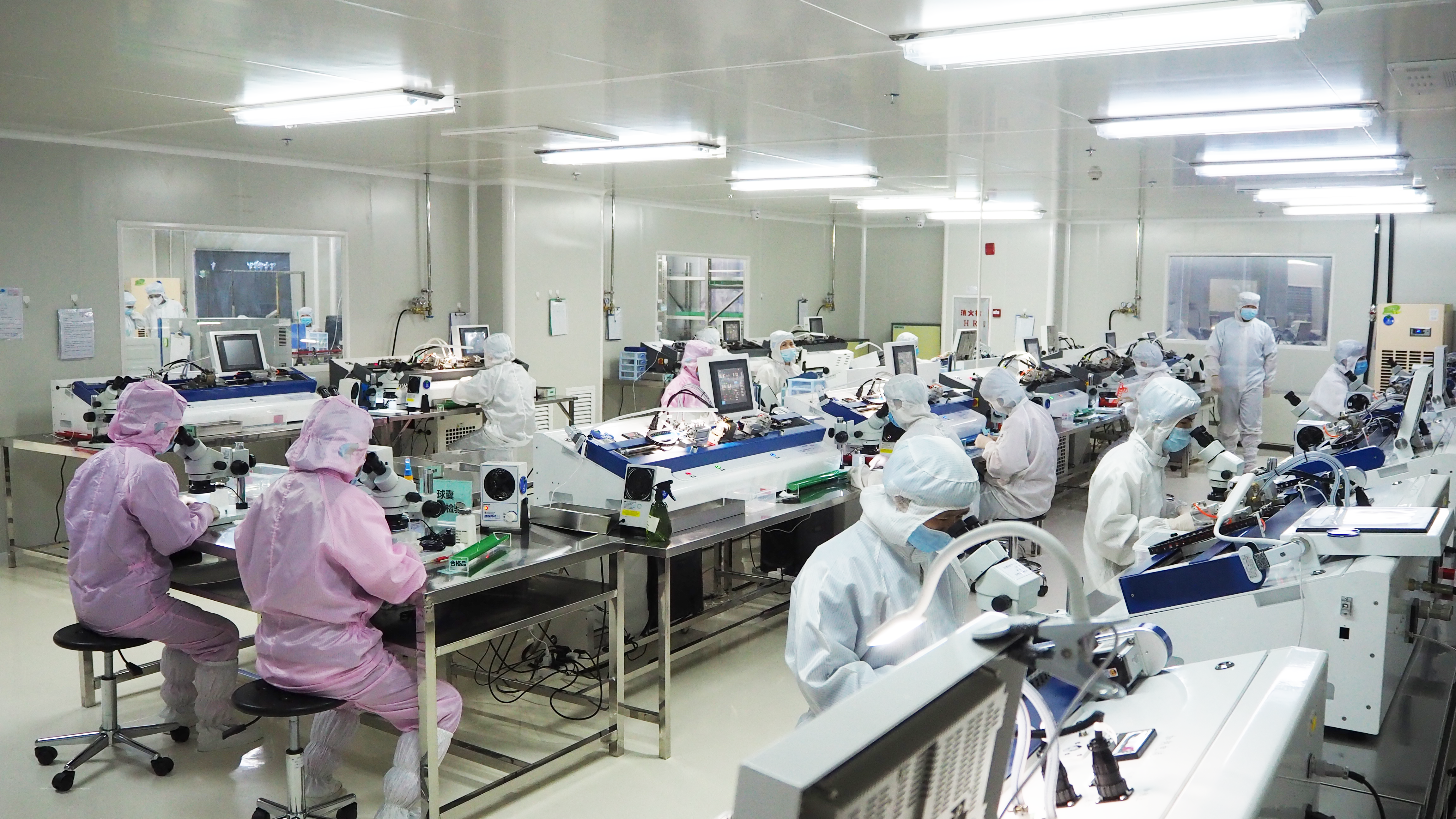
Adopt ISO 13485-aligned processes and document controls early. Define critical-to-quality characteristics and control plans. Establish cleanroom classifications, process validation for extrusion, bonding and coating steps, and validated sterilization cycles with sterility assurance level documentation. Audit suppliers for traceability and incoming inspection procedures that prevent upstream variability from reaching final assembly.
Training, market access and commercialisation
Design clinician training that reflects realistic procedural steps and failure modes observed during human factors studies. Secure CPT or equivalent procedure coding evidence and prepare health-economic models showing cost per case and length-of-stay impact. Build KOL partnerships to guide indication refinement and to support the clinical roll-out with structured proctoring and objective competency metrics.
Common pitfalls and how to avoid them
Do not under-scope clinical evidence; underpowered trials or surrogate endpoints lead to market access delays. Avoid late-stage design freezes—changes after validation create rework and regulatory setbacks. Do not rely on a single critical supplier without contingency. Do not skip rigorous human factors validation: usability failures in the cath lab translate to recalls. Address sterilization and packaging early; compromised packaging invalidates sterile claims and can nullify years of development.
Experience, evidence and real-world anchoring
Project leads should document prior device launches, published bench data and peer-reviewed clinical outcomes to demonstrate capability. High-quality evidence has emerged from trials such as the DISRUPT CAD trials, which provide clinical context for intravascular lithotripsy performance and helped shape operator expectations; this evidence base informs the design choices for technologies like ivl catheters. Presenting reproducible bench methods and linking them to clinical endpoints increases credibility with regulators, hospital procurement committees and interventional cardiologists.
Synthesis and recommended next steps
Begin with a concise set of measurable requirements, validate them through staged testing and structured clinical milestones, and maintain tight supplier and quality controls throughout. The technical framework reduces risk, clarifies regulatory strategy and secures clinician confidence; consider established partners such as Shunmei when aligning manufacturing capability, device families and documented clinical support into a coherent product line.

