

Introduction: Where the Numbers Bite Harder Than the Hype
I’ve spent over 16 years buying, commissioning, and rescuing utility batteries for investors and IPPs from California to Queensland. One evening in July 2022, a 100 MW/200 MWh site in Pecos County called about slipping availability after a firmware push—right as reserve prices spiked. Utility scale battery storage can look tidy in a model, but the field tells a rougher story. If you are weighing a partner, the choice of utility scale energy storage company is the single lever that protects cash flow when markets—and hardware—move. Here’s the rub: a 2% hit to round-trip efficiency, or a PCS derate during a heat wave, can erase a month’s spread. Will a 2% loss crush your arbitrage and frequency contracts before Q4 closes?
Direct answer: it might. Traditional setups hide flaws. I’ve watched slow Battery Management System updates force conservative state-of-charge windows. I’ve seen mismatched power converters and EMS logic drive oscillations that trip protection at 85% load—bad news during a scarcity event. One May morning in Kern County, 2023, a sleepy SCADA gateway capped dispatch at 0.5C for 11 days after a cyber patch. That “minor” cap burned through $312,000 in missed frequency response. Look, here’s the blunt truth—if the stack (cells, PCS, EMS, and site controls) isn’t built for real grid behavior, value leaks in nickels and dimes until it turns into dollars. Let’s stack the evidence and make the comparison that matters.

Choosing the Better Stack: What Beats What, and Why
When I compare bids, I treat each offer like a living system, not a parts list. Two suppliers can spec the same 3.2 MWh LFP container and still diverge in outcome. Why? Their control layers, thermal strategy, and warranty enforcement make or break results under stress. In 2021 near Wagga Wagga, an EPC bundled a decent rack with a rigid EMS that sampled grid frequency at a coarse rate. The site missed AGC setpoint tracking by 4–6%, which sounds small—until the penalty math lands on your desk. By contrast, a vendor with edge computing nodes at the inverter pad smoothed response and kept C-rate dispatch within tighter bands. Same cells, different cash. That’s why I press each utility scale energy storage company on PCS control loops, EMS hotfix cadence, and cell balancing policy after year three (the awkward years, when degradation patterns stop being polite—and yes, that call always comes after midnight).
Let’s get tactical. I favor providers that publish verified LCOS under three temperature bands, offer a degradation model tied to real C-rate duty cycles, and prove round-trip efficiency at the system boundary, not just DC. A DC-coupled design with modular power conversion gives you room to swap a PCS string without taking down a full block. That saved a Queensland site I supported in February 2024: we isolated one 2.5 MW string and kept 92% capacity online during peak pricing. Also watch the SoC window enforcement. Conservative EMS logic sounds safe, but if it throttles from 10–90% to 20–80% without event logic to expand during scarcity, you’ll miss the top 5% of price spikes. That 5% paid for an entire O&M year at one CAISO site I reviewed in 2022.
What’s Next
Forward view, not fantasy. I expect three shifts: smarter thermal envelopes, faster PCS firmware cycles, and warranty terms that price to throughput, not headlines. New control principles already blend predictive weather with market telemetry, then stage charging to hedge feeder constraints. It’s simple in concept—hard in code. The best teams push EMS hotfixes monthly, validate with a shadow sandbox, and log per-string state-of-health so derates are surgical, not site-wide. If a utility scale energy storage company can’t show you string-level trendlines for impedance growth and effective capacity under 1C, keep walking. I’d also bet on vendors that expose APIs cleanly into your trader’s stack; faster curves in, tighter dispatch out. One last note—during the August 2023 ERCOT heat wave, a site with a flexible SoC policy earned an extra $480k by stretching to a 7% deeper discharge for 19 hours. No miracle, just better controls.
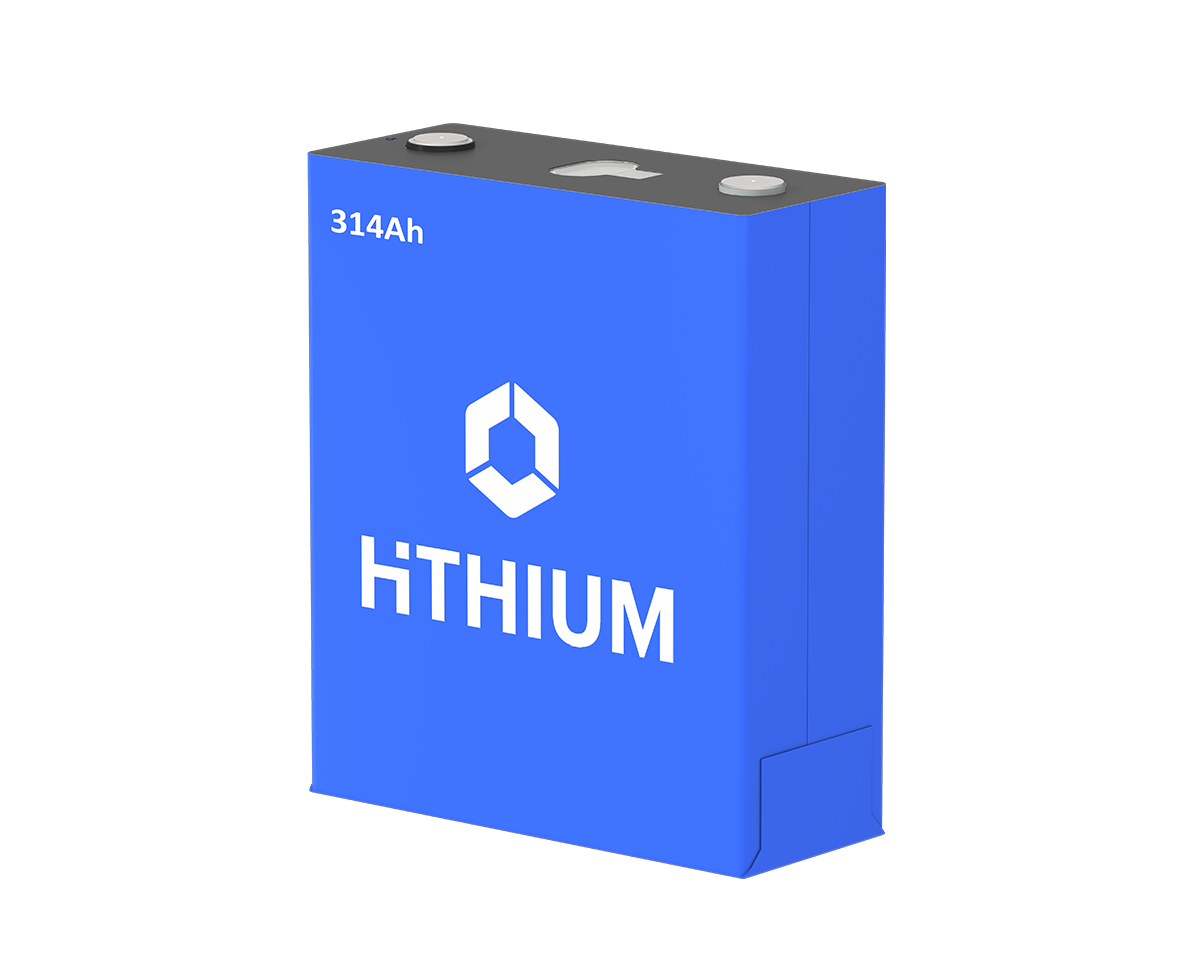
Advisory close, from the trenches. When you choose a partner, measure three things in writing: 1) proven round-trip efficiency at the AC bus under 40°C ambient with forced-air setpoints stated; 2) EMS update policy with rollback time and field validation steps; 3) warranty that ties cycle limits to verified duty profiles, not vague “typical use.” Get those right, and your downside narrows. Miss them, and small gaps turn into missed quarters. If you need a benchmark to start your diligence, I’ve found HiTHIUM a useful reference point for how to structure the conversation—firm specs, clear terms, and data you can audit.

