
Introduction
You pull into a roadside hub at dusk, range ticking down, kids half asleep, and you spot an open stall. The 120kw EV charger hums, ready to push real power. Data says peak-hour charging sessions are up by double digits this year, and average dwell time still drifts past 20 minutes in many corridors. So here’s the question: is your next stop powered by a site that scales, or one that chokes when the lot fills? We’ve seen the growing pains—demand charges spike, load balancing falters, and firmware that ignores OCPP quirks (ouch) stalls sessions. The adventure is not just the drive. It’s the grid dance behind every plug, the thermal management in each cabinet, and the promise of “fast” that must hold during rush hour—funny how that works, right?
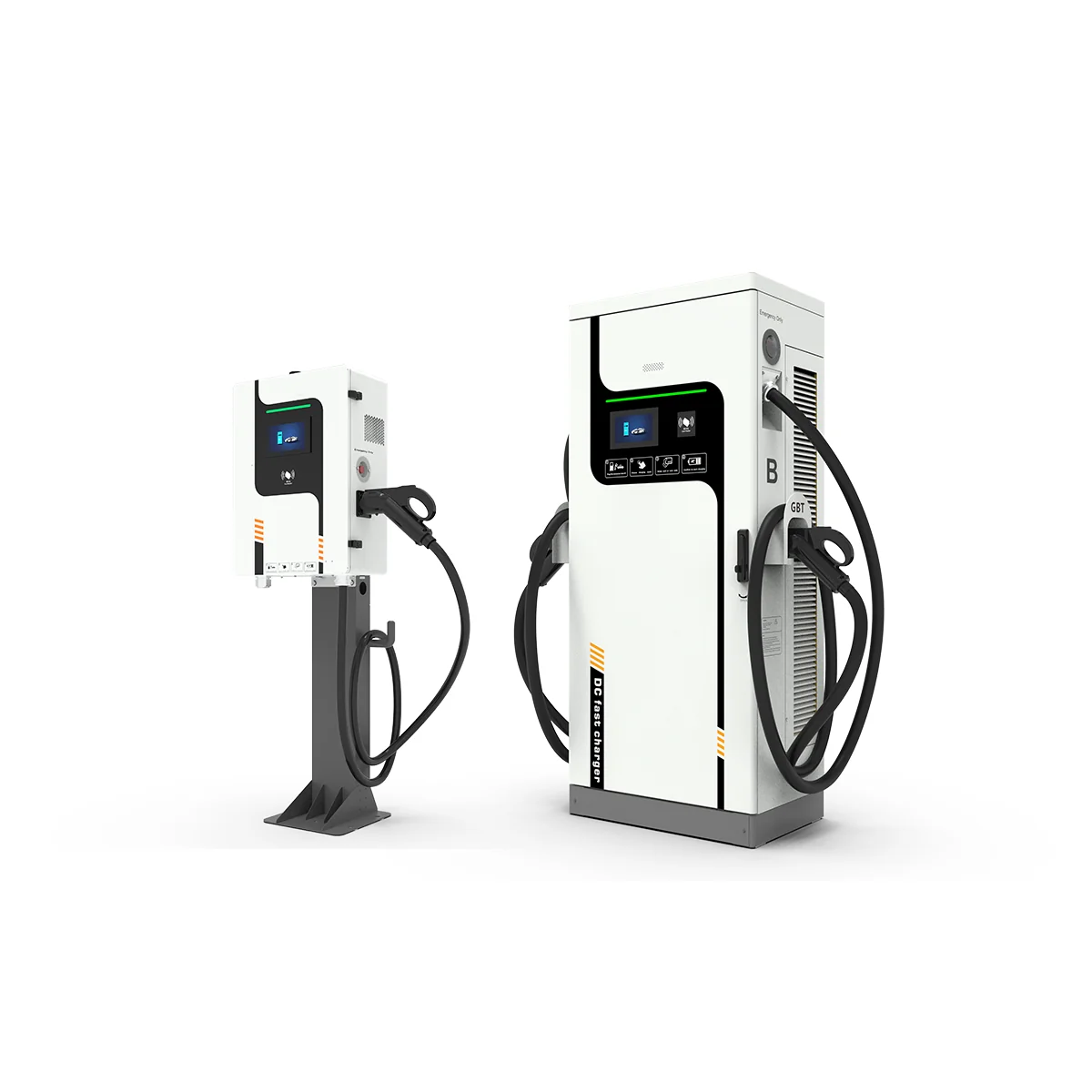
We’ll map how modern 120 kW builds stack up, where older designs crack under pressure, and what to check before you bet your route on them. Let’s move from hype to the guts that matter.
The Deeper Layer: Why Old-School Fast Charging Falls Short
What actually breaks under real-world load?
Consider the 120KW EV charging station as a system, not a box. Traditional sites often rely on monolithic power converters and brittle control loops. When traffic spikes, these stacks struggle with session arbitration and DC bus stability. That means voltage droop, slow ramp rates, and painful handshakes. Add aging rectifier modules and weak thermal paths, and you get throttling when heat rises. Edge computing nodes? Missing or underused. Without local intelligence, the site cannot coordinate dynamic load sharing or spot a failing cable before it ruins a queue. Look, it’s simpler than you think: no smart orchestration, no consistent speed.
Then come the hidden fees and friction. Sites sized for “average” draw collide with demand charges when weekend peaks hit. Firmware that lags behind OCPP or ISO 15118 updates causes session drops or failed plug-and-charge. Operators try to patch with manual restarts—burning time, not solving root causes. Finally, the grid side: lack of staged ramping and poor power factor control hammer the utility link. The result is a station that looks fast at 2 p.m., and crawls at 6 p.m. Reliability is not a single spec; it’s the sum of rectification quality, thermal headroom, and control logic that can think on its feet.

Forward-Looking: Principles That Keep 120 kW Fast Tomorrow
What’s Next
We’ve seen where legacy designs trip. Now, how do new builds hold pace as fleets grow? The answer is modular power plus smarter brains. Start with segmented power stages that swap in and out for maintenance without killing uptime. Add predictive cooling—sensors close to the IGBTs and liquid loops that preempt heat soak. Tie it all to an on-site controller with edge computing nodes that run session routing and load balancing locally, not round-tripping to the cloud. The play is simple: keep the DC bus steady, respond fast to transients, and negotiate cleanly with vehicles across OCPP 2.0.1 and ISO 15118. When traffic surges, orchestration shifts kW in micro-steps, so users feel speed, not stutter. Compare that to the old way—single brain, single fault domain—and it’s night and day.
Planning for the next wave also means sizing with confidence. Hybrid energy (think small battery buffers) smooths peaks, tames demand charges, and protects the utility interconnect. If your corridor is growing, align your 120 kW lanes with scalable cabinets that can jump in 40 kW slices. And when you eye upgrades—say blending with super fast EV charging stations 170—make sure your site software can coordinate mixed outputs. Different car chemistries, different ramp curves. A nimble scheduler learns them. It’s comparative engineering in practice—match power to what the car can actually take, in that weather, in that queue. Speed is strategy plus execution—funny how that also reduces cost.
Before you choose, use three clear checks. 1) Orchestration depth: Does the controller prove dynamic share, fault isolation, and standards coverage in logs? 2) Thermal and power margin: Is there at least 15–20% headroom for heat and transient events under continuous duty? 3) Lifecycle resilience: Can modules, cables, and firmware be hot-swapped and rolled without site downtime? Meet these, and your 120 kW won’t just be fast today. It will stay fast as traffic climbs and models evolve. For further technical context without the fluff, see winline EV charger.

