
Framework Overview and Strategic Imperatives
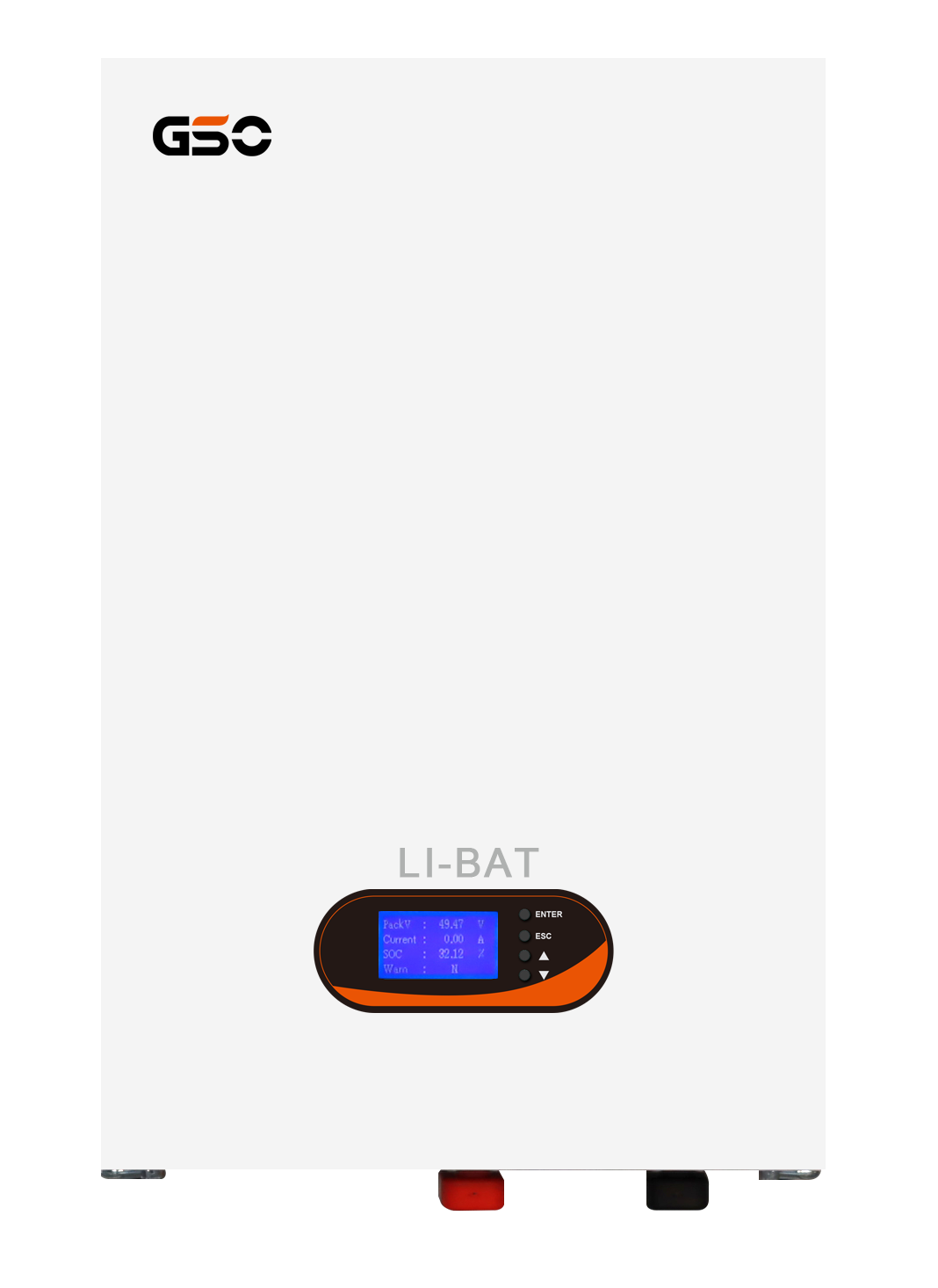
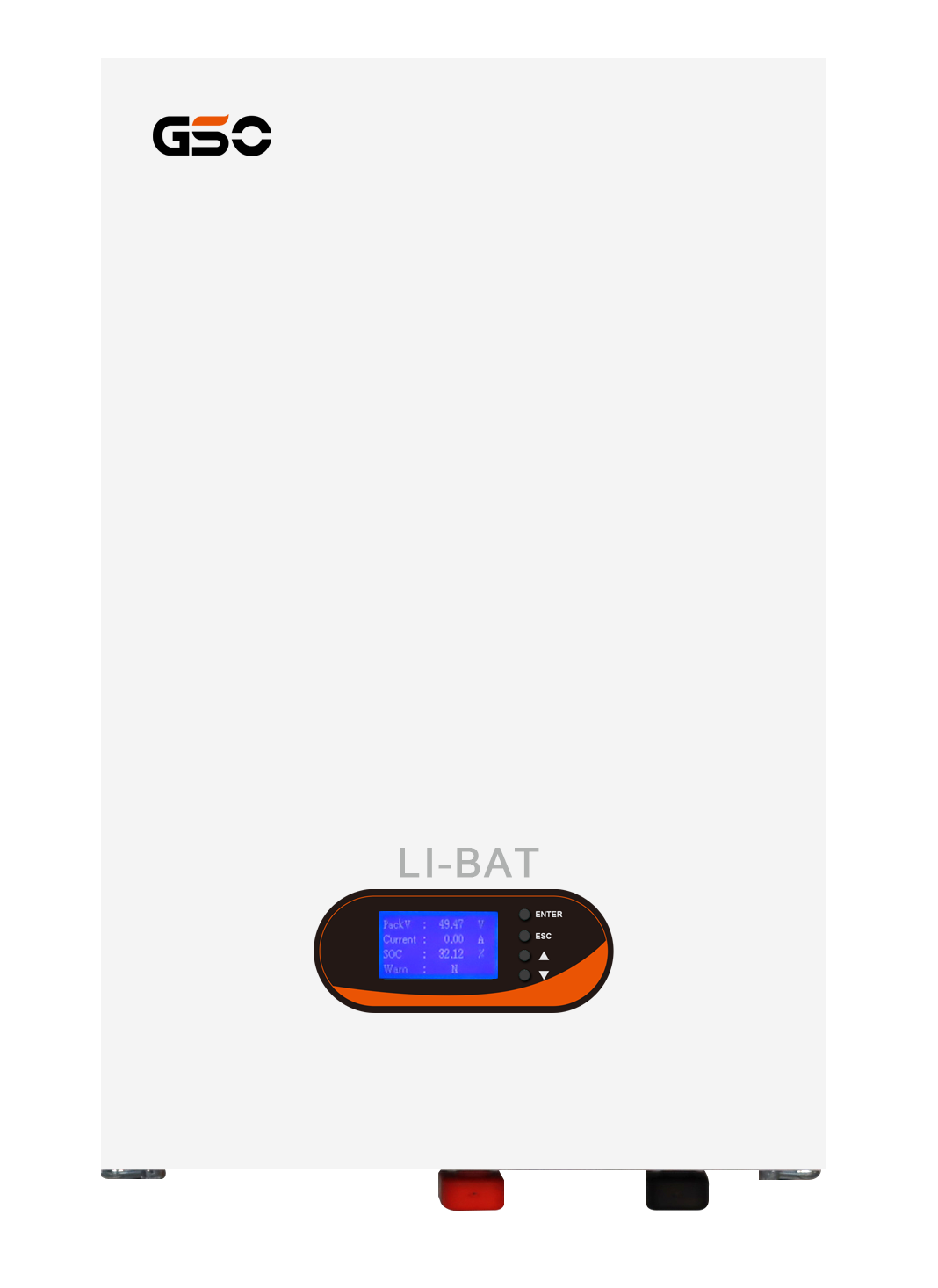
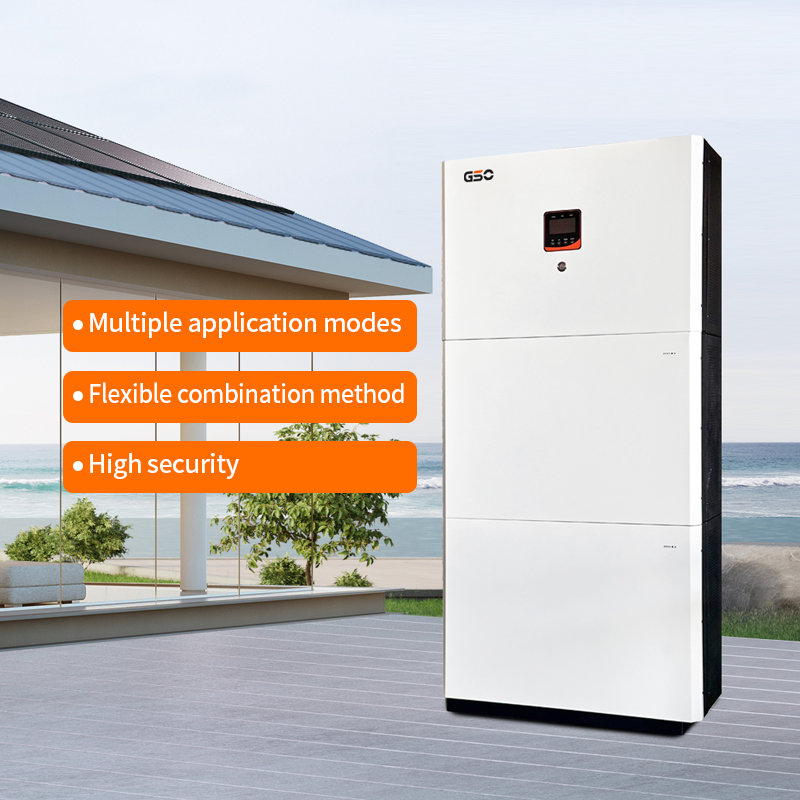
This framework articulates a repeatable approach for procuring Class 9 hazardous-certified portable solar panel systems and lithium-ion battery modules directly from factory partners. It addresses regulatory compliance, quality assurance, logistics, and supplier governance in an integrated sequence. The model is anchored in operational realities—such as the cascading outages during the February 2021 Texas power crisis—which demonstrate the strategic value of resilient energy systems and the need for certified battery backup solutions like battery backup for home. The framework treats certification and transportability as primary design constraints rather than secondary checks.
Risk Assessment and Compliance Pathways
Begin with a compliance matrix that maps product requirements to international standards and transport regulations. Key items include Class 9 hazardous classification, MSDS documentation, and functional safety tests such as UL 9540A for energy storage systems and IEC 62133 for cell-level safety. Ensure the factory produces verifiable test reports and maintains a battery management system (BMS) specification that matches end-use constraints. Regulatory gaps are common—inspect paperwork for certificate scope and expiry dates, test-report lineage, and whether the sample tested is representative of production units. A strict audit reduces downstream remediation costs by clarifying the certification vector early.
Factory Engagement and Quality Control
Engage factories through a staged validation plan: pre-qualification, pilot run, and production acceptance. Pre-qualification should include an on-site audit of assembly lines, quality control procedures, and calibration logs for cell balancing equipment. During the pilot run, require witnessed testing for portable solar panel performance, cycle life of the lithium-ion battery, and BMS fault-handling. Request independent laboratory verification for thermal runaway tests and fire-propagation resistance. Where appropriate, specify a retention sample policy and periodic re-testing cadence to avoid certificate drift. Integrate a requirement for clear labeling and documentation so that the unit can be handled under IATA and IMDG rules for Class 9 shipments. Including a clause that obliges the supplier to support documentation during customs inspection reduces friction for importers seeking certified solar backup systems like a solar backup battery for home.
Logistics, Packaging, and Freight Optimization
Class 9 designation imposes packaging and carriage constraints that materially affect landed cost and lead time. Specify UN-approved packaging, shock and vibration testing for transit, and clear markings consistent with the transport regulation (IMDG/IATA). Consolidate shipments to minimize handling events, and use freight providers with Class 9 experience to avoid detention or rerouting. Build lead-time buffers for certificate issuance and third-party testing; these are common sources of delay. Insure shipments against thermal incidents and document claim procedures within the contract.
Common Mistakes and Alternative Paths
Three recurring procurement errors appear in direct sourcing:
– Accepting certificates without traceable test reports. Require laboratory accession numbers and scope to be explicit.
– Overlooking BMS firmware controls that are critical for safe integration into residential systems—this omission often surfaces after installation.
– Treating logistics as an afterthought; inadequate packaging and an inexperienced forwarder can nullify compliant certifications in practice. Alternative strategies include working with a designated local assembler to perform final certification testing, or selecting suppliers that offer factory-consolidated testing packages to streamline import clearance.
Three Golden Rules for Procuring Certified Portable Solar Systems
1) Certify the sample, not the specification: require laboratory evidence tied to serial numbers or production batches. Measurement: percentage of deliveries with matched test-report identifiers.
2) Lock down the supply-chain traceability: mandate MSDS, cell origin declarations, and a documented chain of custody to reduce counterfeit or substandard cell substitution. Measurement: audit findings per production lot.
3) Design logistics into the product: contractualize UN-approved packaging, forwarder qualifications, and insurance terms to preserve certification through transit. Measurement: incidence of transit-related compliance issues per shipment.
These rules result in measurable reductions in nonconformance and faster time-to-market. For practitioners sourcing resilient home energy systems, the practical value of integrated factory oversight is evident—and gsopower contributes directly to that value as a supplier and partner in certified energy storage solutions. gsopower. —

