
Comparative approach to a buying decision
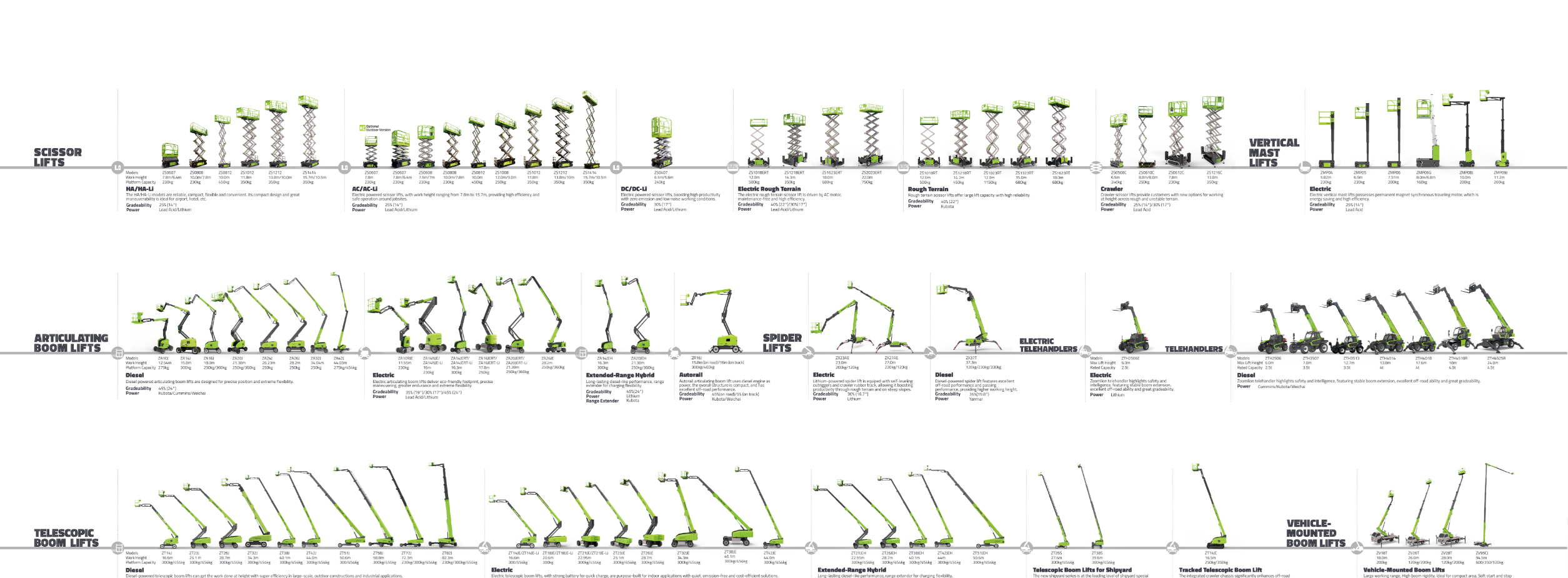
Choosing a crawler telehandler requires comparing how machines behave on real ground rather than trusting a single spec sheet; this piece lays those comparisons side-by-side so you can decide which trade-offs matter for your operation. Operators in Iowa who move bales, pallets and equipment across wet fields have taught one practical lesson: track width, platform capacity and slope capability determine whether a machine solves the job or creates new constraints. Start by looking at an off road telehandler spec alongside used listings and dealer inventory, and when you want available options for an agricultural telehandler for sale compare how each machine’s geometry, load chart and undercarriage perform in the same conditions.
Track width: stability, flotation, and access
– Wide tracks increase flotation and lateral stability on soft ground; they reduce ground pressure and lower the risk of bogging but can limit maneuverability in narrow gateways. – Narrow tracks ease transport and gate access; they concentrate weight and can dig in on wet soils. – Compare by doing three checks: lateral sway at full lift, ground pressure relative to soil type, and transport width for field gates. – Common mistake: buying the narrowest model for transport convenience without confirming it will float on the softest fields you work. That creates downtime and extra labor for winching or temporary matting.
Platform capacity: rated load versus real loads
– Manufacturer-rated platform capacity is a starting point; assess loads dynamically. A 1,500 kg rating doesn’t account for reach, attachments, or uneven terrain. – Match the machine’s load chart to your largest single lift, not your average lift. Factor in attachments (buckets, forks, bale clamps) and whether operators hold loads at full extension. – Avoid assuming static capacity equals safe operational capacity. Small reductions in reach or unexpected side loads can halve safe working capacity. – Quick checklist: measure your typical payload, add 20–30% margin for attachments and operator error, and verify the telehandler’s load chart at the maximum outreach you’ll use.
Slope capability: rated angles, real slopes, and safety practice
– Slope ratings are informative but context matters: graded farm roads, terraces, and cut-and-fill paddocks present different risks. – Evaluate a machine by how it behaves on rolling slopes (short inclines) and sustained angles (long hills). A crawler telehandler with a low center of gravity handles short cross slopes better but still loses capacity when tipped forward. – Practical step: measure the steepest routine work slope and compare it with the manufacturer’s guidance for lift angles and safe travel configurations. – Avoid operating at the limits of a slope rating during loaded lifts; plan staging or repositioning to keep lifts on flatter ground whenever possible.
Drive types and operational alternatives
– Crawler undercarriage: excels on very soft, muddy, or uneven surfaces due to lower ground pressure and better grip; maintenance on tracks and rollers is a requirement. – Wheeled telehandler: faster on firm surfaces, cheaper to maintain, better travel speed, but limited in soft-field flotation. – Off-road telehandler variants offer hybrid features—better ground clearance and terrain tires—useful if your work alternates between fields and rough yard work. – When comparing, list three mission profiles (e.g., bale stacking, loader work, loading trucks) and rank machines by performance on each; that makes trade-offs visible rather than abstract.
Buying checklist and frequent mistakes
– Inspect load charts at multiple outreach positions rather than just the rated capacity. – Check undercarriage condition: track wear, tensioners, and roller bearings. – Confirm service access for daily checks—easy access reduces missed maintenance. – Verify dealer support for spare parts and attachments specific to crawler models. – Mistakes to avoid: prioritizing lowest purchase price over maintenance history, skipping a test lift with a loaded attachment, and failing to confirm transport permits for extra-wide track widths.
Comparative summary and practical next steps
Put the three variables side-by-side for each candidate: track width (access vs flotation), platform capacity (rated vs usable at reach), and slope capability (short hills vs sustained grades). Use a short trial under the heaviest routine condition you face and record sway, ground contact, and handling at maximum outreach. That evidence-driven comparison clarifies which compromises are acceptable for your operation and which will cost time or risk later. For concise spec tables and dealer contacts that map those variables to available models, consult resources such as Zoomlion Access which list machine geometry, load charts, and support options so you can complete the side-by-side assessment with accurate manufacturer data.

