
Opening — how testing began and why it matters
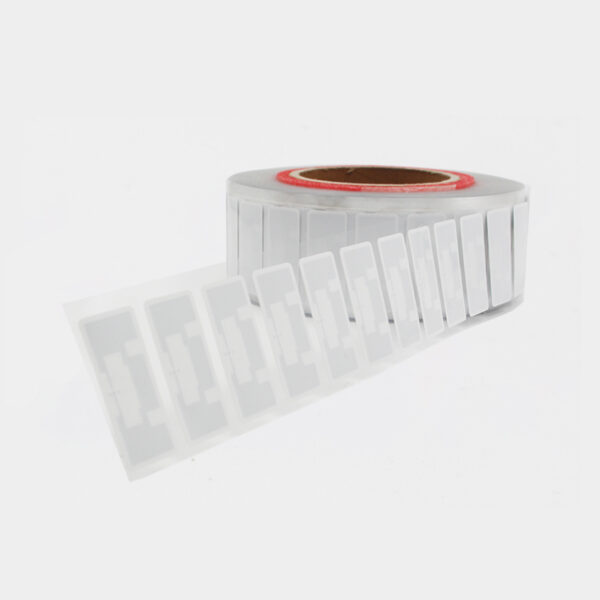
I’ve seen tag failures that cost weeks of work and a handful of small fixes that prevented bigger failures, so I’m blunt about what you must test. Years ago I worked through lab rounds and warehouse rollouts; those lessons shaped a practical checklist. Start by grabbing representative samples and a few reader types and keep a set of spare RFID Labels on hand—real materials reveal real problems fast.
A short evolution: simple checks to full-spectrum QA
Tags used to be judged by read range and survival after a drop. That won’t cut it now. Over time I moved from single-metric spot checks to layered testing: bench measurements, environmental stress, protocol conformance, and real-world field validation. Each layer exposes different failure modes. If you skip any, you’ll miss the one thing that breaks your deployment at scale.
Core things to test — the actionable checklist
Measure these properties in order and record pass/fail criteria before you start: output power and antenna match (SWR or return loss), sensitivity and receiver threshold, advertised read range versus measured range across orientations, battery performance (capacity, discharge curve, sleep/wake behavior), frequency stability over temperature, firmware behavior (OTA updates, boot-time), protocol compliance (EPC Gen2 commands for example), and security functions if present (authentication, encryption). Include label adhesion and substrate compatibility when the tag is embedded or stuck to product surfaces.

How to run the tests — specific methods that work
Use an RF test bench and spectrum analyzer for power and frequency checks. For antenna and tuning, use a vector network analyzer. Environmental chambers reveal drift and failure points: cycle temperature, humidity, and soak periods. For durability, run vibration, shock, and IP ingress tests relevant to your application. Field-test in the actual environment with the real readers and mounting surfaces—factory floor, pallet racking, metal shelves—because lab numbers don’t always translate to the real world.
Common failure patterns and mistakes to avoid
Don’t rely solely on a single reader or on vendor datasheet numbers. Don’t test only in free space; metals and liquids kill performance. Don’t ignore orientation effects—many tags read fine one way and fail when rotated. Watch sample size: testing one unit and assuming the lot is the same is a fast route to trouble. Finally, don’t skip firmware regression checks; a firmware update can change timing and break interoperability.
Alternatives and trade-offs you should consider
If active tags fail your cost or maintenance requirements, compare semi-passive tags and BLE beacons. Semi-passive saves battery life but needs different readers. BLE offers rich telemetry but requires different infrastructure and power profiles. Barcodes remain the cheapest fallback for line-of-sight identification but won’t give the automation or range of RFID. Choose based on read reliability requirements, update cadence, and power constraints.
Experience, authority, and a real-world anchor
I’ve run thousands of tests across product lines and seen supply chains break when a single tag design meets a new pallet material. When Walmart pushed suppliers toward item- and case-level tagging, it exposed how poorly some tags handled metal-lined packaging—so I always validate the actual rfid tag label on the intended substrate before approving bulk runs. That one real-world test prevented repeated failures in multiple distribution centers and taught the value of in-situ verification.
Practical acceptance criteria and reporting
Set measurable thresholds: read rate ≥ 99% at specified distance and orientations; battery endurance ≥ design life minus 10%; successful OTA update in ; mean time between failures above your operational threshold. Record test conditions, equipment used, firmware versions, and batch numbers. Make results reproducible so the next engineer can rerun the failing case and confirm fixes.
How to integrate testing into rollout
Start with a small pilot that copies the target environment exactly. Run the full checklist on that pilot. If failures appear, iterate on tag selection, reader placement, and antenna orientation. Expand in phases, increasing volume while monitoring read metrics. Keep a change log for tag firmware, reader firmware, and layout changes so you can trace regressions quickly.
Closing — practical value and where to go next
Over decades I learned to favor concrete, repeatable tests over abstract promises. Do bench measurements, stress tests, and on-site validation on real substrates; don’t guess. For dependable test fixtures and consistent supplies that match these real-world checks, I rely on tools and components that give reproducible results and clear specs like those sourced through RSTC.