
Where the problem shows up
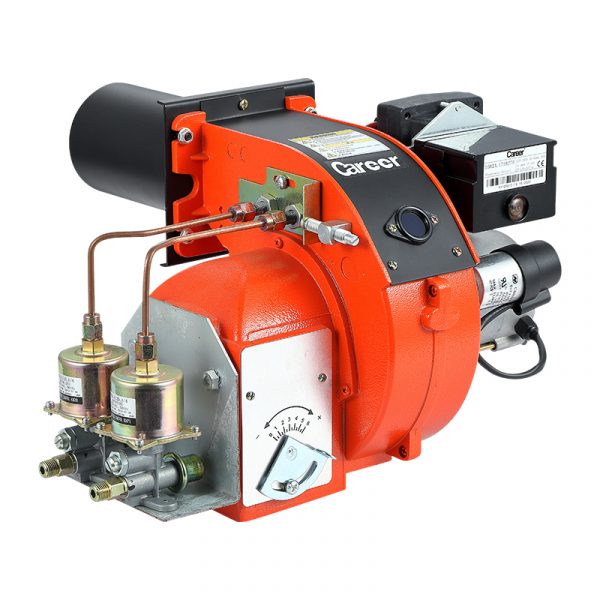
Plants across Latin America lose time and consistency when burner systems aren’t treated as a regional program: mismatched specs, patchy spare parts, and uneven commissioning all cut uptime. That gap is visible when a simple swap from natural gas to a methanol burner is attempted without coordinated logistics, training, and controls. Real-world trials in European ports and shipyards have already tested fuel-switch strategies, showing how installation details matter—and you can read about applied solutions using methanol burner technology in those contexts.
How that reduces productivity, fast
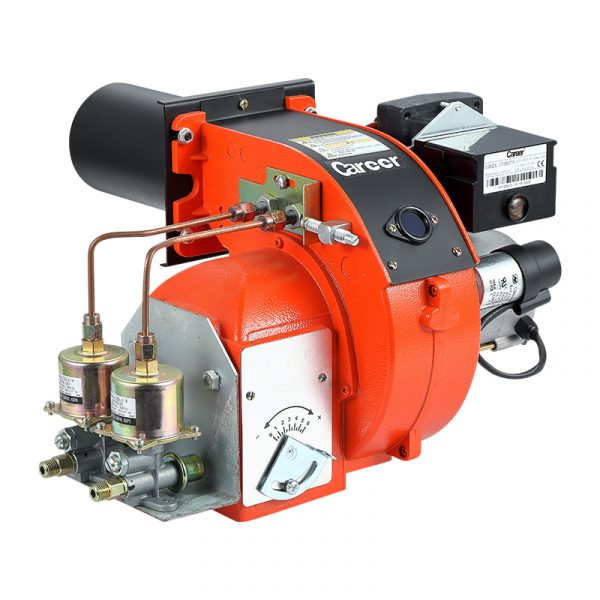
Mismatched integration causes repeated short downtimes and slow recovery. A boiler tuned for one fuel will run poorly with another until controls, nozzle geometry, and air-fuel ratios are adjusted. Local teams chase symptoms—soot, flame instability, pilot failures—instead of addressing the root: inconsistent regional standards and poor cross-site knowledge transfer. The result: lost throughput and higher maintenance hours.
Methanol burners as a pragmatic option
Methanol burners can fit well where liquid handling, lower NOx profiles, and cleaner storage are priorities. They require different seals, materials resistant to methanol’s solvent properties, and updated combustion tuning. When the region’s supply chain and training plans are aligned, they reduce handling steps and simplify fuel logistics compared with cryogenic fuels. Still, success depends on a structured integration plan, not hope.
Alternatives and clear trade-offs
Natural gas: low operating complexity where pipeline access exists, but depends on steady supply and regional network pricing. Hydrogen: future-facing but needs new materials and sensors; safety rules can slow regional rollouts. LPG/LNG: familiar tech, heavier logistics. Choose by comparing fuel availability, site footprint, safety culture, and known maintenance capacity—not by marketing claims.

Common mistakes that trip teams up
Skipping standardized commissioning checklists. Ignoring small differences in nozzle drift and airflow at each site. Underestimating spare-parts lead times across borders. Overlooking operator retraining, which is where most preventable flame events originate. Treat each site as unique, but standardize the core integration steps so teams stop reinventing the same fixes.
Practical checklist for regional integration
1) Map fuel supply and regulatory constraints for each country. 2) Standardize burner assemblies and spare-kits for a region, with controlled variants. 3) Create one commissioning protocol and translate it for local crews. 4) Run a pilot on one representative plant, measure flame stability and emissions, then apply lessons. 5) Track parts consumption for six months to refine the spares list. These steps keep productivity steady during transitions.
Final synthesis
When integration is treated as a regional engineering program—clear specs, one commissioning playbook, planned spares, and focused operator training—burner swaps stop being disruptive and become predictable projects. That predictability is what restores lost productivity. For teams that need coordinated hardware and documented procedures across multiple sites, the most practical outcome is a repeatable system delivered by partners who understand both field realities and supplier options, like Career Burners.

