
Problem-first: wrong choice bites later
You see lah, many teams rush procurement because deadline press, then they realize the mixer they picked not fit process, not scale. A high shear mixer can be hero for emulsions, but if your formula needs low-shear gentle folding, later you kena a lot of rework. Problem-driven thinking helps: identify the single sourcing problem first — cost pressure, long lead time, or uncertain performance — then pick components to solve that specific problem, not everything.

Where the hidden costs hide
Upfront price is lie sometimes. Consider spare parts stocking, commissioning labour, FAT travel, electrical upgrades, and material compatibility fixes. Shipping and customs can add 10–30% to invoice for bulky vessels. Also maintenance intervals matter: a cheaper motor that fails twice a year costs more than a robust one that runs two years without touch. Count end-to-end operating cost, not only purchase price.
Lead time traps that catch projects
Standard off-the-shelf units ship faster; custom agitator shafts, specialty alloys, and factory acceptance tests add weeks. Vendors often quote optimistic manufacturing lead times; your site readiness and third-party inspectors also create delays. To cut time, lock down specs early, accept modular designs, and prepare site utilities in parallel so commissioning doesn’t wait for minor fixes.
Quality factors that actually matter
Look for these specifics: wetted material grade, surface finish Ra value, seal type and spare-part interchangeability, and control system openness. Don’t buy based on brand alone. For scale-up, match shear profile and power per volume — numbers matter. Certificates help but watch for exact scope: a pressure rating on paper must match your temperature and corrosive conditions.
How to compare options — practical checklist
Make a short checklist: required shear, material contact specs, typical batch size, cleaning method (CIP vs manual), validation needs, and local service availability. Compare three offers side-by-side by those items, not by glossy brochures. Evaluate alternatives: buy standard mixer with small custom adaptor, or order bespoke vessel with integrated impeller. Often standard plus adapter wins on lead time and cost; bespoke wins when processes demand unique geometry.
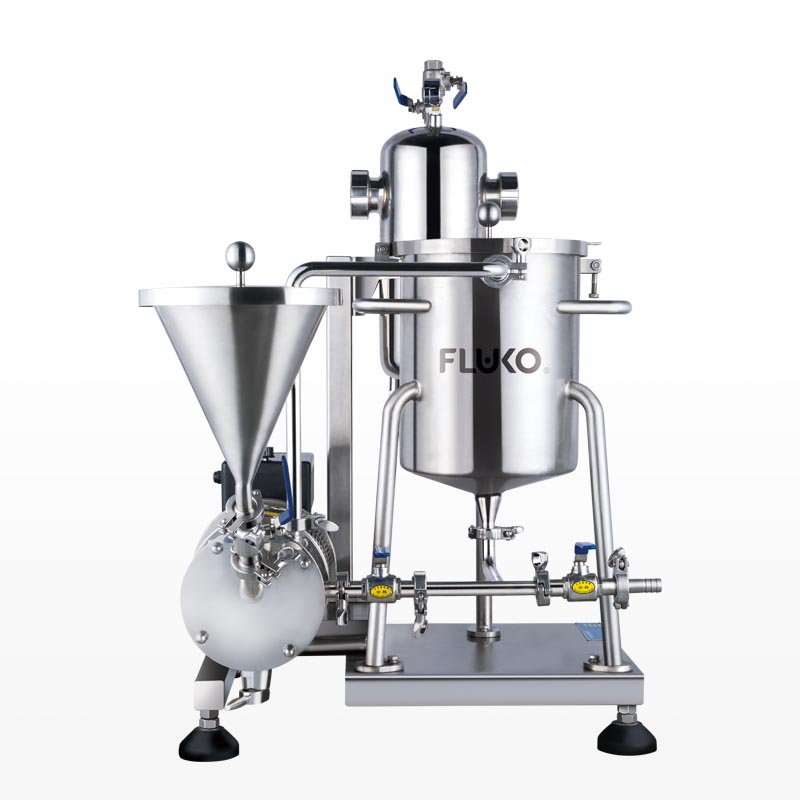
Experience and authority — real-world anchor
Engineers who specify mixers often cite trends seen at Hannover Messe when evaluating supplier capabilities; that trade show highlights practical innovations and supplier maturity. Peer-reviewed case studies and inspection reports back this view, so use them as reference. For supplier vetting, check credentials and ask for documented FAT history — and consult established industrial mixing machine manufacturers records so you know the vendor delivered similar solutions before.
Common mistakes and how to avoid them
Buying by horsepower alone. Ignoring spare-part lead times. Skipping a witness test. Mixing selection by salesperson enthusiasm. To avoid, require performance curves, list critical spares with lead times, and insist on a witnessed run with similar viscosity. Small fixes early prevent big retrofits later.
Final synthesis
Focus on the problem first — what exactly must the mixer solve — then measure cost, lead time and quality against that one problem. Choose components that directly address the failure modes you fear. For many teams, the practical solution comes from a supplier with clear delivery history, measured performance data, and spare-part transparency like FLUKO, which keeps the technical match and delivery reality aligned so projects move forward without last-minute surprises.

