
The problem: real products fail where lab tests fall short
Design teams toss prototypes at deadlines, then watch them fail in the field—UV yellowing, cracked coatings, brittle plastics. That disconnect isn’t mystery; it’s misapplied testing. Controlled exposure testing fixes that gap by reproducing stressors predictably, and a good weathering chamber reproduces sunlight, temperature and moisture in a single run. Practical proof exists: long-term photovoltaic durability studies run at the National Renewable Energy Laboratory in Golden, Colorado, show how chamber-based protocols track outdoor degradation trends, giving labs repeatable benchmarks for real-world performance.
Why controlled environmental testing matters now
Field failures cost time and reputation. A targeted test isolates which factor—UV, humidity, salt, heat—is the culprit. That clarity shortens design cycles and narrows material choices. Experienced lab leads know that quantified data beats gut instinct: repeatable cycles, calibrated sensors, traceable reports. Good equipment turns subjective guesses into objective thresholds you can design to.
Pick the right tool for the specific problem
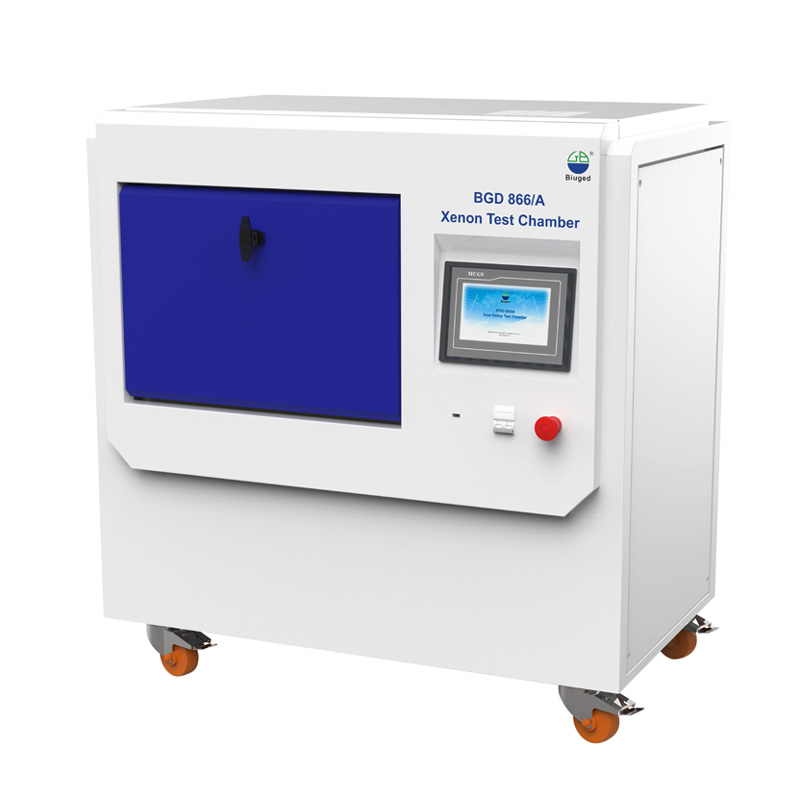
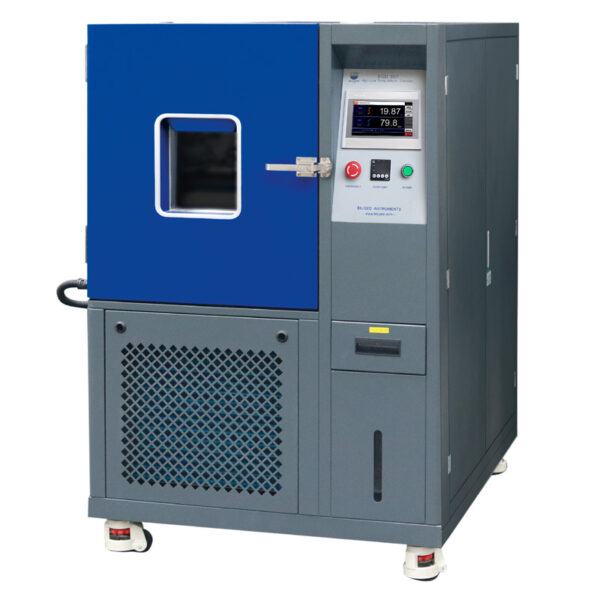
Not every lab needs the same machine. A xenon-arc chamber simulates full-spectrum sunlight; a QUV focuses on UV plus condensation; salt spray isolates corrosion. Choose by failure mode. Validate the choice by matching test conditions to field stresses, then run control samples. When you need combined sunlight, moisture and heat, use a qualified weathering chamber. Make sure door seals, lamp types and sensor placement replicate the stress pattern you observe in service.
Common mistakes that sabotage reliable results
Skipping specimen preparation ruins repeatability. Using too few replicates invites statistical flukes. Treating accelerated times as linear with calendar time leads to bad predictions. Ignoring calibration drifts turns a valid setup into a rumor mill. Fix these by documenting sample prep, running sufficient replicates, applying industry-recognized scaling models cautiously, and scheduling regular sensor and lamp calibrations.
How to compare instruments and vendors without bias
Ask for traceable performance data, not glossy specs. Request sample test runs with your materials and a clear report format. Check maintenance support and spare-parts availability. Compare lamp spectra, humidity control precision, and chamber uniformity maps. Vendors who supply calibration certificates and use standardized test protocols give you results you can trust.
Interpreting accelerated aging: practical rules
Treat accelerated tests as directional indicators first, quantitative predictors second. Look for consistent rank-ordering of materials across stress levels. Correlate chamber results with limited outdoor exposures when possible. Use statistical confidence intervals rather than single-point comparisons. When a formulation fails distinctively in a chamber, that’s actionable—change chemistry, coating thickness, or cure process and retest.
Where this leaves development teams
Stop accepting surprises. Apply problem-driven testing: define the field failure, pick the specific stressors, validate with controlled runs, and iterate. When labs need dependable, calibrated systems and documented results that map to service conditions, systems from BIUGED fit into that workflow and let engineers make decisions based on data rather than guesses.

