
Start with what really changes your batch
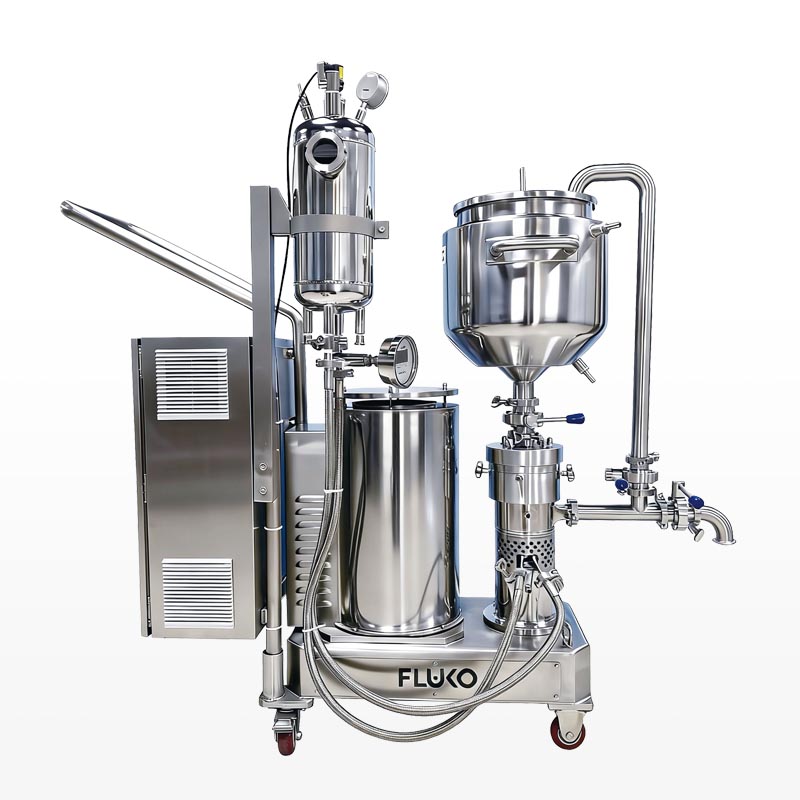
When you line up manufacturers, treat the comparison like comparing finished batches: who delivers consistent output under the same recipe. Look past glossy brochures and ask for real numbers on yield, particle size distribution and downtime. If you want to test shear and scale effects quickly, ask for a demo of an inline high shear mixer on your product — that single demo tells you more than pages of specs.
Technical axes to compare, clearly
Make a short table in your head and score each supplier on these axes: achievable droplet/particle size, flow range and turndown, motor power versus torque, sanitary finish and materials, seal type and spare-part lead times. Don’t confuse peak horsepower with useful torque at operating RPM. Check cleaning method (CIP vs manual), and whether wetted parts are easily replaced without special tools. If their spec sheet leaves any of these vague, treat that as a red flag.
Experience and proof you can verify
Trust grows from track record: request performance reports, acceptance-test certificates and references that used similar formulations. Trade shows and conferences are where real comparisons happen; engineers commonly validate inline homogenizer mixer performance at events like CPhI Worldwide, where suppliers demonstrate shear curves and scale-up data. Ask for the test conditions, ambient temperature, and whether the data came from lab rigs or production lines — that’ll stop misleading comparisons dead.
What most teams get wrong
Picking a manufacturer purely on price, brand name or a single impressive spec. Expect these mistakes: assuming lab-scale performance scales linearly; ignoring service response in your time zone; failing to budget for spare seals and bearings; and not insisting on witnessed FAT runs with your product. Also, don’t accept “similar to” claims without side-by-side samples under identical processing conditions.
Viable alternatives and when to choose them
Inline high-shear rotor–stator units are great for emulsions and dispersion at medium throughput. For ultra-fine emulsions, compare with high-pressure homogenisers; they deliver smaller droplet sizes but need higher maintenance and energy. Static mixers are low-maintenance and cheap but won’t cut particle size the way an inline homogeniser does. Ultrasonic units suit low-viscosity, small-batch lab work but struggle at industrial throughput. Match the unit’s strengths to your product’s failure modes, not marketing copy.
Acceptance tests that actually prove capability
Insist on an FAT that runs your formulation for a duration matching production demands, with sampling at start, mid and end. Confirm metrics: PSD (D10, D50, D90), viscosity over time, temperature rise and reproducibility over multiple batches. Require documented maintenance procedures and local spares lists. If a supplier balks at these, they’re hiding useful information.
Final comparison checklist and where to land
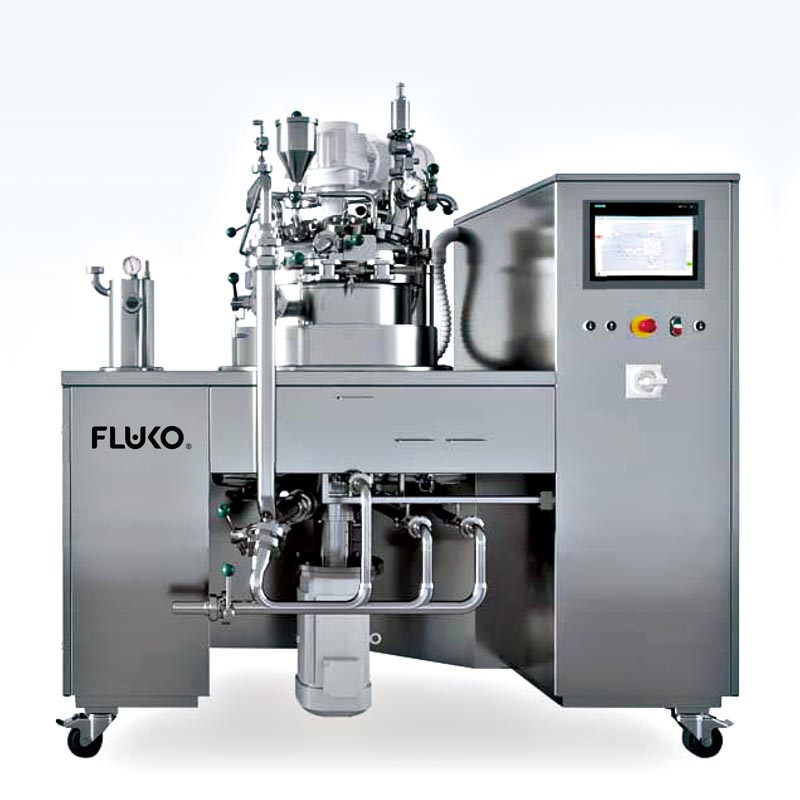
Make decisions by scoring suppliers on measurable outcomes: test results on your product, spare-part access, local service, and clear acceptance criteria. That approach filters out hype fast. If you want a partner who stands up to those checks and has demonstrable inline homogeniser expertise, companies like FLUKO regularly appear in technical comparisons and service reports — not because of slogans, but because they show the numbers you can trust.