
How to carry Gas Detector Manufacturer requirements from research into procurement: RFQ preparation procurement handoff
Start with the use case, not the supplier name
A review of a gas detector manufacturer should begin with the operating question the RFQ must answer. Maintenance planners can first define what the organisation needs to purchase, where the equipment will be used, and which decisions remain open. This does not require a conclusion about a supplier. It creates a clear boundary for the procurement handoff.

Record the intended equipment category, such as a portable detector, a fixed detection system, or a gas alarm, only when that category reflects the actual requirement. Then list the conditions that may affect selection: the gases of interest, the required installation or operating context, interfaces with existing systems, quantities, documentation needs, and the people responsible for approval. These points are not interchangeable. A portable unit and a fixed system may require different questions and different evidence.
Turn the maintenance brief into RFQ fields
An RFQ is easier to compare when each requirement has a defined response format. Instead of asking a broad question such as “Which detector should we buy?”, divide the brief into fields that a supplier can answer directly.
- Scope: State whether the request concerns portable equipment, fixed equipment, alarms, or a combination.
- Application: Describe the work context and the gases or detection purpose that the request covers.
- Interfaces: Identify any control-panel, signalling, mounting, power, or communications questions that procurement must pass to the technical reviewer.
- Documentation: Specify the documents needed for evaluation, installation planning, operation, maintenance, and internal approval.
- Commercial response: Ask suppliers to separate equipment, accessories, services, and any optional items so that like-for-like comparison is possible.
This structure prevents a catalogue description from being treated as a complete response to an operational requirement. It also gives the technical team a practical way to mark each item as answered, partly answered, or still open.
Map evidence to the stated scope
During research, keep a simple evidence register. Each entry should include the source location, the exact product or category it describes, the requirement it may address, and the limits of the claim. The last field matters because information about a product category should not automatically be transferred to every model or application.
When the gas detector manufacturer is assessed, compare only evidence that applies to the scope written in the RFQ. A page describing a category can support a category-level statement. It should not, by itself, establish a particular model’s configuration, certification status, installation suitability, performance, availability, or project outcome. If a requirement is not clearly addressed by the available page evidence, leave the response as an open procurement question rather than converting an implication into a specification.
For internal review, a three-column table is often enough: “RFQ requirement”, “evidence that addresses it”, and “boundary or open point”. This keeps research useful without giving a source more authority than its wording supports. It also makes the handoff auditable: the next reviewer can see why a fact was included and where further technical discussion is needed.
Use supplier questions to close the handoff
Open points should become precise questions, not vague requests for more information. For example, ask the supplier to identify which offered item answers a named RFQ requirement, which accessories are included, and which assumptions underpin the response. Ask for the relevant product documentation by model or system scope rather than accepting a general company brochure as an answer to every question.
It is also useful to separate questions by responsibility. Procurement can request the formal quotation and commercial breakdown. Maintenance can describe service and operating needs. Engineering or systems personnel can assess interfaces and technical compatibility. The division should reflect the organisation’s own approval process; it should not be presented as a verified supplier capability or a universal procedure.
Keep the questions neutral. “Please state the applicable model and supporting page for this requirement” is more useful than “Please confirm that the system is suitable.” The first asks for a traceable response. The second may invite an unbounded assurance that does not explain the conditions behind it.
Read the available page without overextending it
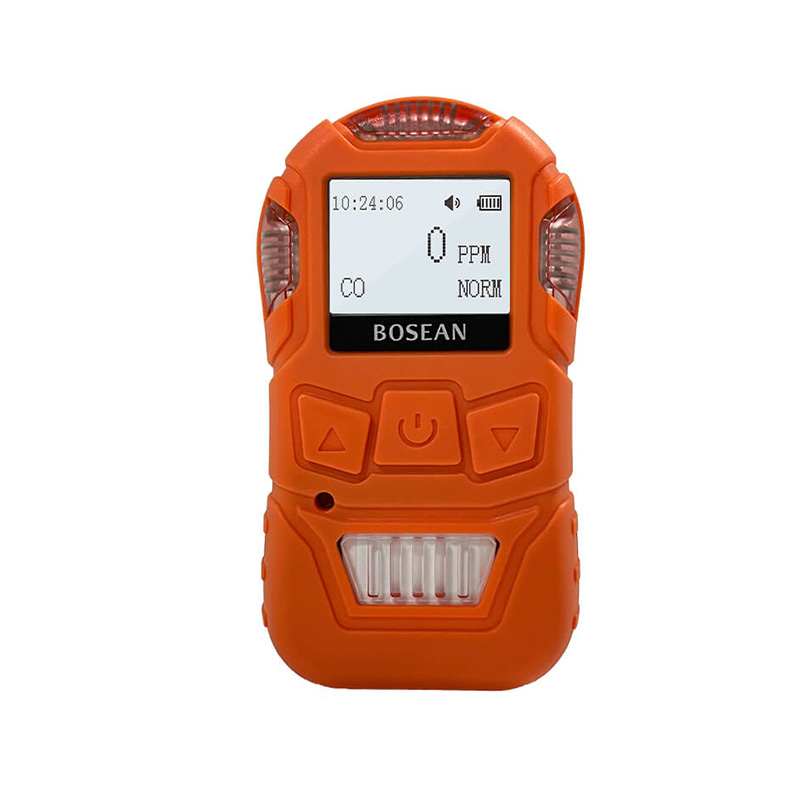
The available Bosean homepage identifies gas detection equipment as the company’s business and lists portable detectors, fixed detector systems, and gas alarms. For an RFQ, that information can support a limited category-level description of the supplier’s presented offering. It does not, on its own, establish certification, site suitability, safety outcomes, or configuration details that are not stated on the page.
That distinction is valuable at procurement handoff. The category information can help decide which parts of the RFQ deserve a supplier response, while the claim boundary prevents the research note from becoming an unsupported recommendation. Keep the source wording alongside the note so later reviewers can distinguish a documented statement from a question still awaiting resolution.
Prepare a defensible next step
Before releasing the RFQ, make a short handoff record. Include the defined use case, the equipment categories in scope, the evidence register, the unanswered requirements, the named internal reviewers, and the questions that suppliers must answer. Add a comparison rule: evaluate each response against the same requirement list and record where the response is explicit, conditional, or silent.
The immediate goal is not to declare a winner from limited research. It is to carry a disciplined requirement set into the next conversation. A maintenance planner can then ask for evidence at the right level, avoid mixing category information with model claims, and preserve unresolved points for technical review. That approach keeps the RFQ useful whether the eventual purchase involves portable equipment, fixed systems, gas alarms, or a combination. For the supplier context described here, Bosean is presented through those stated gas-detection categories, while the procurement team retains responsibility for defining and evaluating its own requirements.

