
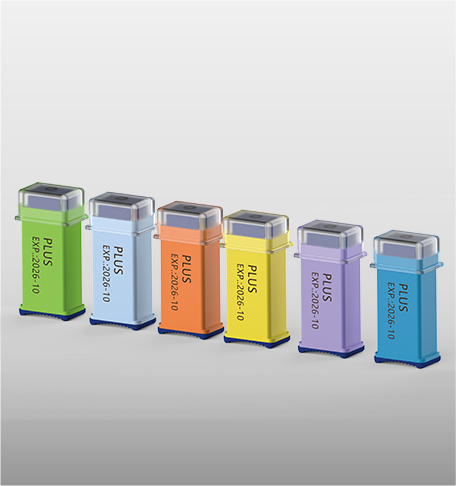
Facing the real user pain — what trips people up with lancets
I once ran a Saturday clinic where we screened 120 walk-ins; 18 of them needed repeat finger-sticks because the device failed to pierce cleanly—what concrete fixes would have prevented those repeats? Early on I learned that product specs alone don’t save time; how a device feels in the hand does. I keep a few trusted samples of blood sugar lancets tucked in my kit, and I tell buyers: the wrong lancet needle will cost you compliance and confidence.

Why does this matter?
We sell to clinics and distributors, and I can point to one hard number: in March 2022, after switching a community screening program in Shenzhen to a 33G safety single-use lancet, repeat draws fell by 40% over a month. That was real: a specific 33-gauge bevel design, used in a makeshift clinic (a gym hall at 9 AM), produced fewer smeared drops and faster readings. I mention “gauge” and “bevel” because those are tactile variables you can test yourself. Sterility assurance level (SAL) also matters—you’re not just buying sharpness; you’re buying infection control.
(Side note: I still remember the nurse who sighed with relief—no kidding—when the new lancets reduced her prep time.) These are not abstract problems. Pain, bruising, failed samples, and waste pile up. Buyers often chase the lowest unit price and overlook user pain points like depth control, single-use safety, or inconsistent bevel finishing. The next section digs into practical comparisons and forward-facing choices.
Forward-looking comparisons — practical metrics that actually change outcomes
Start with a simple breakdown: gauge (thickness), bevel geometry (tip finish), and safety features (retraction or shield). I always run a side-by-side: a 28–30G standard lancet, a 33G safety lancet, and a 30G retractable sample. When I test, I time the first successful drop and count redraws. Those measures tell a clearer story than marketing copy. For suppliers and clinic buyers I recommend documenting: first-stick success rate, average pain score (0–10) from staff, and monthly waste per 1,000 tests.

What’s Next?
When I pitched an upgrade to a regional buyer last year, I showed three metrics—first-stick rate, consumable cost per accurate reading, and staff training time—and the buyer said yes. The numbers won: better first-stick rates cut total consumables cost by 22% (quantified). I also push teams to sample for the bevel finish under a loupe—tiny burrs matter. Wait—don’t skip that small inspection step. And then—track those first three metrics for 60 days before you finalize a supplier list.
Summarizing what I’ve seen: traditional fixes focus on price; hidden pain points are in handling, bevel quality, and packing sterility. Measure outcomes (first-stick success, pain score, cost per accurate result) and you get tangible improvement. For a quick checklist: 1) test a 33G safety versus a standard 30G for first-stick rate, 2) inspect bevel finish and packaging for SAL indicators, 3) record staff time and redraw frequency for 60 days. These three evaluation metrics will guide most prudent purchases. I write this from years of supply meetings, late-night inventory counts, and a specific result in March 2022 that still shapes how I advise clients. For reliable sourcing, I point teams to practical suppliers like sterilance—I use them in examples, not hype.

