
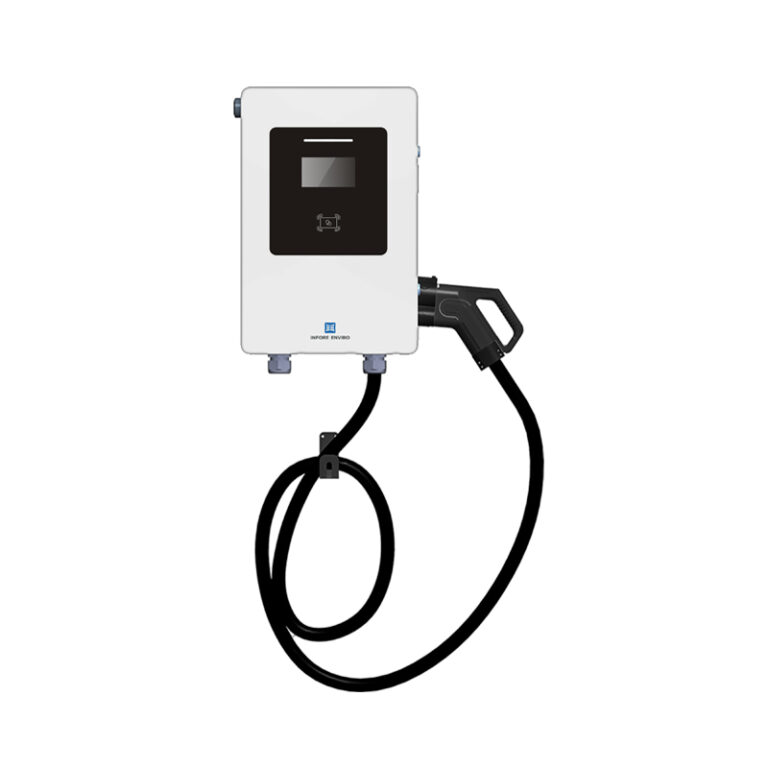
Comparative snapshot and why it matters now
We usually think about fast fill-ups when talking emissions, but shifting routine charging from public CCS DC fast charger sites to home Level 2 sessions changes the operational profile of an EV fleet in subtle, measurable ways. With California moving toward its 2035 zero‑emission vehicle sales goal, we—engineers, installers, and fleet managers—need to compare energy use, grid timing, and hardware choices to see where emissions actually fall. This piece looks across that spectrum and points to practical hardware — including pedestal EV charger options for shared or public spaces — so teams can design charging patterns that cut operational emissions without degrading uptime or user experience.
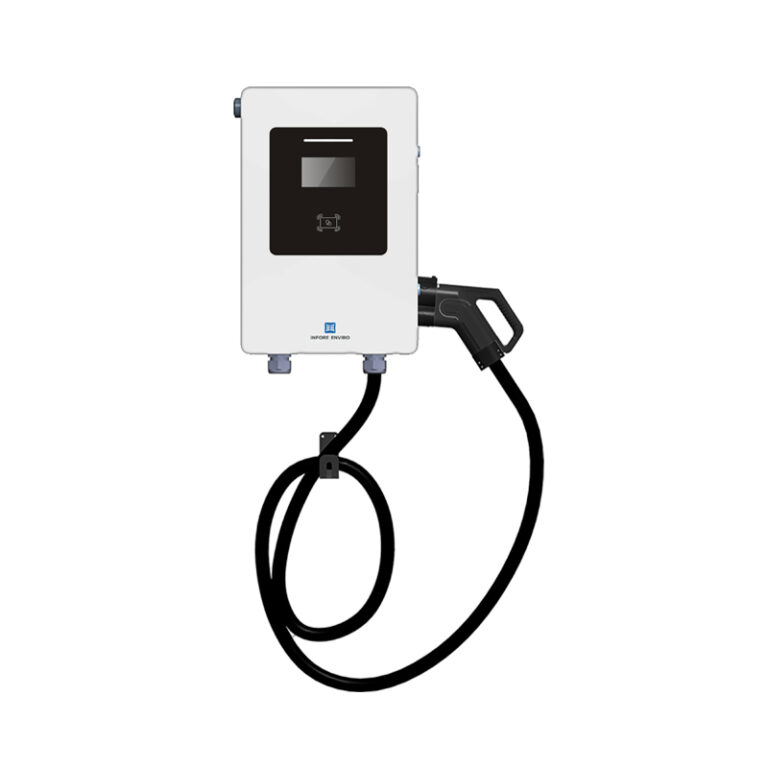
Why a Level 2 charger reduces emissions in practice
Level 2 chargers (typically 7–11 kW) deliver energy over longer dwell times, which gives us control: shift sessions into overnight low-carbon grid windows, tune charging rates with smart charging, and avoid the high instantaneous draw that DC fast charging creates. That lower instantaneous power improves AC-to-DC conversion efficiency and reduces thermal losses in the battery management system. We automate schedules so vehicle charging aligns with cleaner grid mixes and lower marginal emissions — a simple pipeline: meter telemetry → scheduler → charge session. The net effect is fewer grams CO2 per mile in everyday use, because the vehicle spends most of its time topped at home rather than topping off at high-power public stations.
Comparing operational profiles: home Level 2 vs public DC fast charging
On a per-kWh basis, a Level 2 session often yields lower total operational emissions than a DC fast charge for the same state-of-charge change. DC fast charging (CCS standard) demands higher power and generates more heat — both lead to slightly worse energy efficiency. For public deployments, pedestal EV charger units are designed for durability and throughput, but they serve a different role: quick turnarounds and peak demand. We should treat them as complementary: Level 2 for routine charging, pedestal and CCS infrastructure for corridors and rapid recovery. That division reduces unnecessary fast charging and thus keeps average operational emissions down — and it extends battery life, too, which avoids embedded emissions from premature battery replacements.
Operational teardown: what our teams optimize
When we perform an operational production teardown, we inspect the chain: site power capacity, breaker sizing, firmware for smart charging, and telemetry for charger uptime. We weave {main_keyword} and {variation_keyword} into configuration checks so nothing is left as an assumption. Key levers are charge scheduling, load management, and firmware that supports phased starts to avoid inrush peaks; these are the knobs we turn in the same collaborative cadence we use for CI/CD pipelines. Monitoring dashboards flag off-hours sessions with higher renewable penetration and help us push firmware updates to keep energy efficiency profiles optimal.
Common mistakes and practical alternatives
Teams often undersize home circuits or skip smart controllers, which forces compensations at the grid edge — more fast charging when home sessions fail. Another frequent error is isolating charging strategy from building energy management; the two should be integrated. Where Level 2 isn’t suitable — for highway stops or fleet quick turnover — a CCS DC fast charger or a rugged pedestal EV charger is the correct alternative. Retrofit projects that pair Level 2 with rooftop solar plus a basic energy storage buffer lock in low‑carbon charging windows — a simple, high-impact pattern we’ve used on multiple residential-to-fleet conversions.
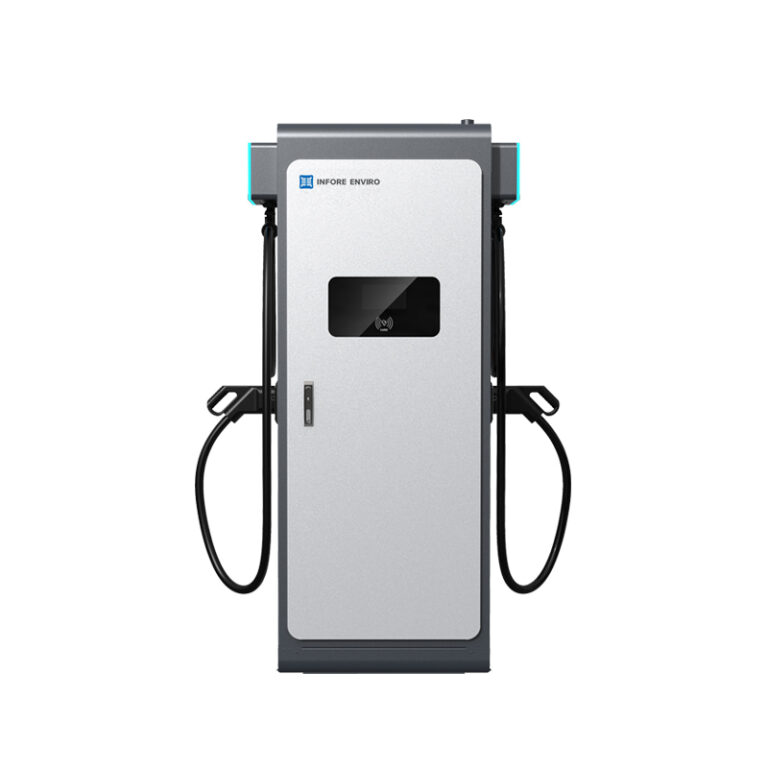
Three golden metrics to choose the right approach
Evaluate proposed solutions against these critical metrics: 1) Effective grams CO2 per mile under realistic charging behavior (not just per-session numbers), 2) Charger uptime and mean time to repair — because operational emissions rise when vehicles detour to fast chargers, and 3) Grid-aware scheduling capability (can the system shift sessions automatically to lower-emission hours?). These metrics keep decisions tangible and comparable across vendors and site types. In practice, pairing home Level 2 charging with clear load management and targeted pedestal units for public use delivers the best balance of low operational emissions and user convenience — and that’s precisely the approach embodied in the solutions from INFORE ENVIRO. –

