
User Needs and the Quiet Impossible
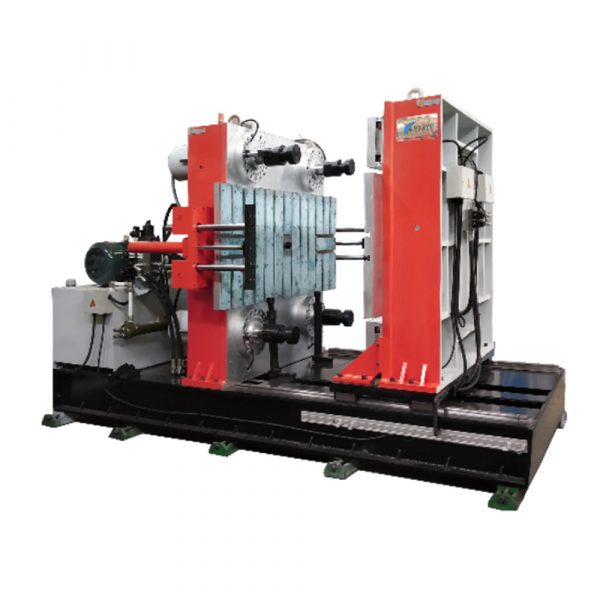
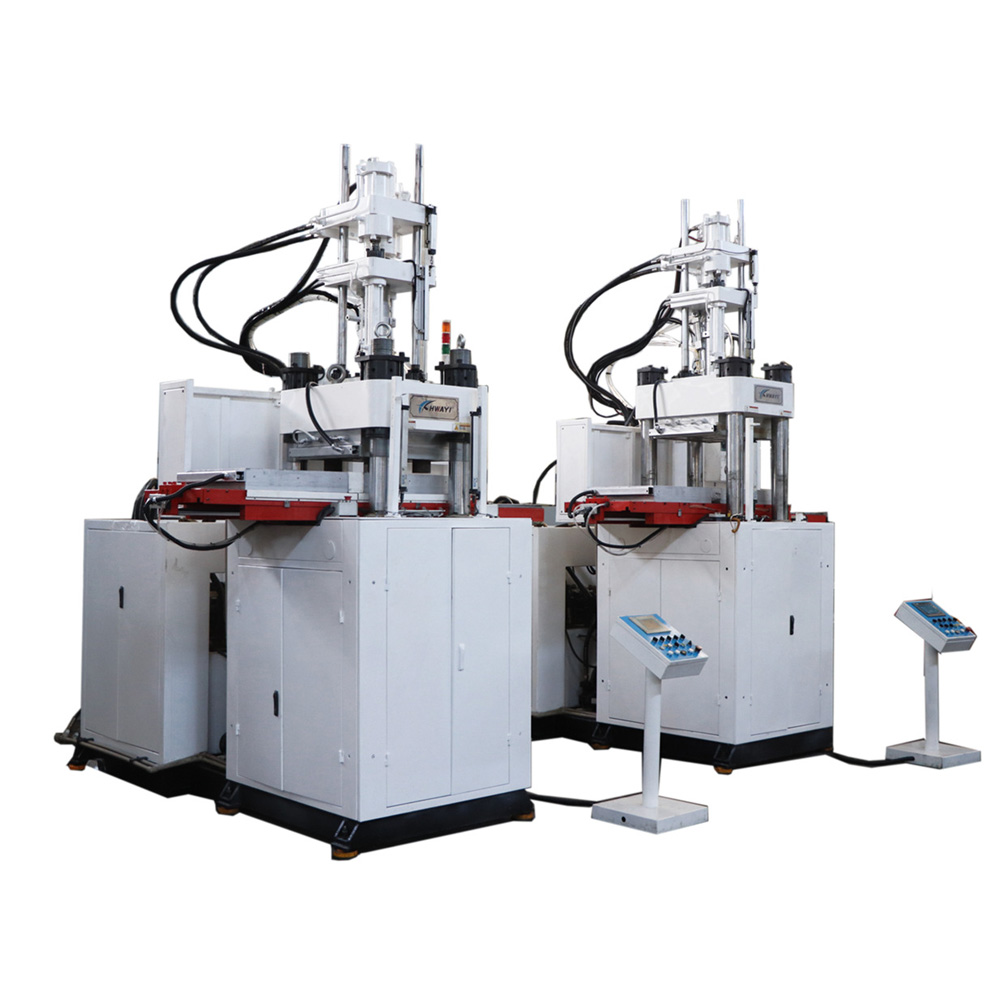
Factory managers and product designers want the same small mercy: lower bills, steadier parts, and machines that feel like trusted colleagues. For teams producing silicone seals or tactile components, a modern lsr molding machine with an intelligent servo-pump and a compact C-frame can answer that call, trimming needless draw while keeping cycle time predictable. Field technicians often point to smoother injection control and reduced pneumatic reliance when they mention a liquid silicone rubber injection molding machine—those are the concrete benefits users actually notice on the shop floor.
Pains, Then Practical Gains
Energy waste shows up as heat, noisy drives, and unstable shot size. Users see it as downtime and rising invoices. Swap in a servo-pump-driven system and you get on-demand hydraulics: power only when motion is required. The result is shorter peaks on the electricity meter and steadier clamping force across runs—less scrap, fewer frantic adjustments. In Wales, small moulding shops around Cardiff have quietly begun to favour these systems after noticing operational calm—tangible, not theoretical.
How the Tech Actually Helps
A servo-pump converts motor control into matched hydraulic flow, so the pump idles with purpose rather than roaring at full tilt. The C-frame design keeps the platen access easy and the mould changeover quick. Together they affect three job-critical things: reduced peak power, more consistent injection profiles, and simpler maintenance windows. Expect improved shot repeatability and a gentler load on drives—two things that matter for LSR components that demand tight tolerances.
Common Mistakes Users Make — and How to Avoid Them
Teams sometimes buy on headline specs—horsepower or clamping force—without matching the machine to their shot size and part geometry. Another habit: skimping on servo tuning and accepting factory presets. That yields subpar energy performance. Tune the control loops to your mould and material; document cycle time before and after changes. And don’t assume smaller equals better—insufficient clamping force can ruin parts even if energy numbers look great. —A little patience here pays dividends.
Comparing Alternatives
Conventional hydraulic presses still win where brute force and low capex matter. Fully electric platforms excel at speed and cleanliness but often cost more up front. The servo-pump C-frame sits between: lower energy use than traditional hydraulics, more tolerance to process variability than some electric systems, and fewer plumbing headaches than older designs. For mid-volume producers of silicone goods, it’s often the pragmatic middle way.
Practical Steps for Adoption
Start with a baseline: measure current cycle time, average power draw, and scrap rate. Trial a single cell, instrument it, and iterate on control parameters. Train operators to read energy feedback and to respect mould warm-up windows—these small habits stabilize throughput. Keep spare seals and a checklist for pump maintenance; preventive upkeep keeps those energy gains real over months, not just weeks.
Real-World Anchor and Credibility
This guidance arises from hands-on shop-floor observations and industry gatherings since COP26 emphasised manufacturing decarbonisation—practical moves seen in regional workshops around South Wales. The advice blends practitioner experience with established machine concepts like shot size control and servo-driven hydraulics to offer realistic expectations.
Closing: Three Golden Rules for Choosing and Measuring Success
1) Match machine capacity to typical shot size—not the rare maximum. That preserves energy efficiency. 2) Insist on measurable KPIs: baseline power, cycle time variance, and scrap rate recorded weekly. 3) Prioritise controllability: digital servo tuning, feedback loops, and accessible maintenance points make gains sustainable. These metrics tell you whether the purchase saves money or just shifts costs.
Adopt these rules and you’ll see practical results; the technical fit becomes a lived advantage, not an abstract promise. HWAYI sits in that space—equipment that behaves like a partner on the shop floor. —

