
Introduction — A Benchside Tale
Picture this: a late shift at the shop, a finished batch that won’t meet tolerance, and a bloke muttering under his breath while swapping tools. I’m telling you — I’ve seen it more times than I care to count. Turret lathe manufacturers are up against it: downtime, missed deliveries, and rising costs (and yes, the boss notices).
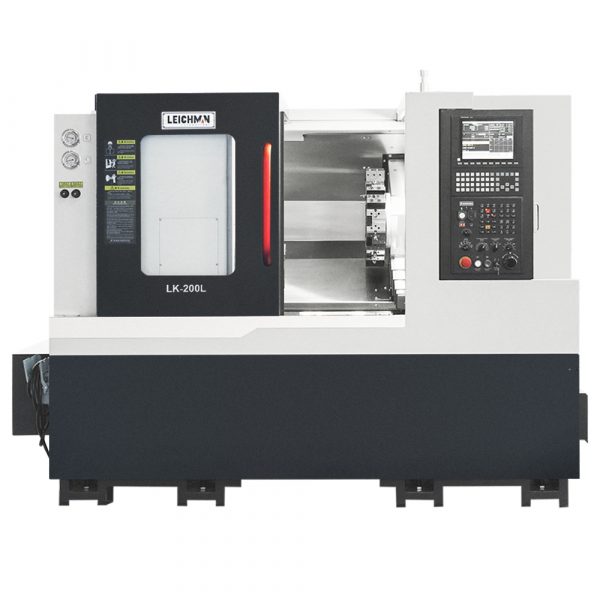
Data tells a blunt story — machines idle up to 15% of scheduled production time in some cells; tool changes add minutes, and rework eats margins. So what do you do when the turret refuses to behave, spindle speed fluctuates and parts keep coming back? I ask that because I want us to fix it, not paper over it. Right then — let’s take a closer look at where the grease really hits the gears.

Part 1 — Why Traditional Fixes Often Let Us Down
cnc turret lathe setups were meant to speed work and repeatability, but in many shops they become the bottleneck. The old ways — rigid tool lists, manual turret indexing, and band-aid maintenance — don’t handle modern variability. I say that from seeing it firsthand: a shop upgrades tooling but keeps the same logic in the CNC control and wonders why yields don’t budge. Look, it’s simpler than you think: changing a cutting tool without revisiting feed rate or spindle tuning is like swapping a tyre on a car with bad alignment.
What exactly keeps failing?
Here’s the short list I keep running into: worn turret index bearings that cause repeatability drift; mismatch between live tooling and spindle motor torque; and control logic that hasn’t been optimized for current cycle strategies. Those are industry terms you hear — turret index, live tooling, feed rate — and each one matters. I will admit, some fixes are cheap. Others demand a rethink of the process. But more often, it’s the gaps between them that bite you — funny how that works, right?
Part 2 — Forward Look: Smarter Paths for the Shop Floor
Now, let’s move forward. I want to sketch a future that’s practical. When I think of upgrades, I don’t mean flashy dashboards alone. I mean principles that change daily work: modular tooling setups that let you swap in specialized cutters quickly; predictive maintenance driven by spindle vibration data; and tighter CNC control loops for consistent spindle speed. The cnc lathe turret can be the backbone of a flexible cell if you pair it with the right sensor set and a plan for tooling families.
What’s Next for shops?
In practice, that means three things I recommend: simplify every setup to the smallest repeatable unit, log real cycle numbers (not estimates), and invest in a small set of high-value upgrades — a servo motor tune, improved turret index bearings, or live tooling calibration. We tested this on a mid-size shop: downtime dropped, scrap fell, and morale improved because people saw the wins. There are costs, sure, but the payback arrives quicker than you think — well, there you go.
Part 3 — How to Choose: Three Metrics That Matter
We’re at the end of the walkthrough, so here’s the pragmatic bit. If you’re evaluating solutions for a turret lathe cell, focus on three clear metrics. First, repeatability of turret index under load — measure it, and demand specs. Second, cycle time variance — not just average time, but the spread. Third, maintenance time per month — how long you actually have people tinkering versus producing. These metrics shift the conversation from “nice to have” to “must-have”.
I’ll add one last bit of advice from my own shop-floor days: talk to operators before buying the fanciest gizmo. They tell you where the real pain is. Compare vendors on real tests, not glossy demos. If you want a brand that balances practical engineering with shop needs, check out Leichman. I’m not selling dreams here — just the kind of fixes that get parts right, on time.

