
Intro: The Room, The Rhythm, The Question
I walk into a meeting room that looks perfect. Sunlight, a clean table, calm faces waiting for the first note. Your conference room speaker and microphone system is set, the slides are sharp, and the dial tone is warm. Then a voice doubles back with a ghostly echo, and the rhythm breaks. Teams often lose 5–10 minutes a meeting to audio fussing, and the song of work goes flat. Is it the room? The gear? The way we route sound? (Usually, it’s a mix.) What if we could keep the tone centered and the tempo steady—without chasing gremlins every day? Let’s step past the obvious knobs and meters and talk about how design, setup, and signal flow shape the music of a room. Next, we’ll dig into the deeper friction that hides behind “plug and play.”
The Quiet Friction Behind “Plug and Play” Audio
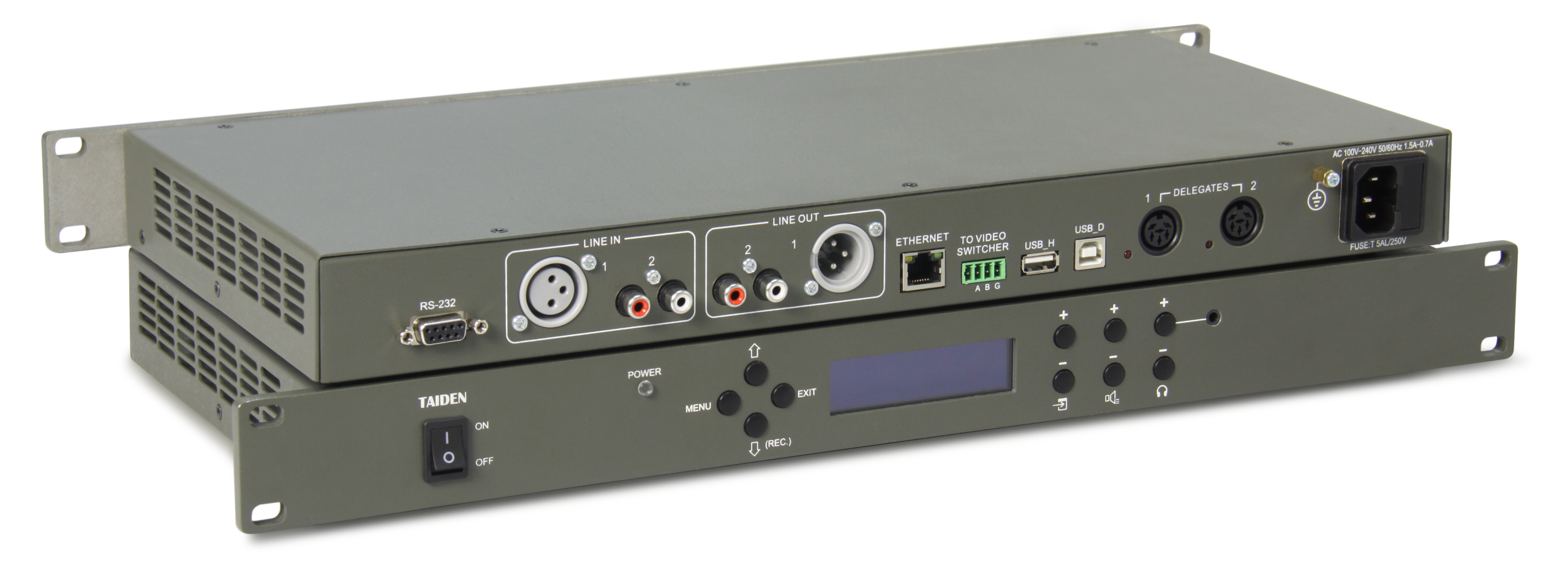
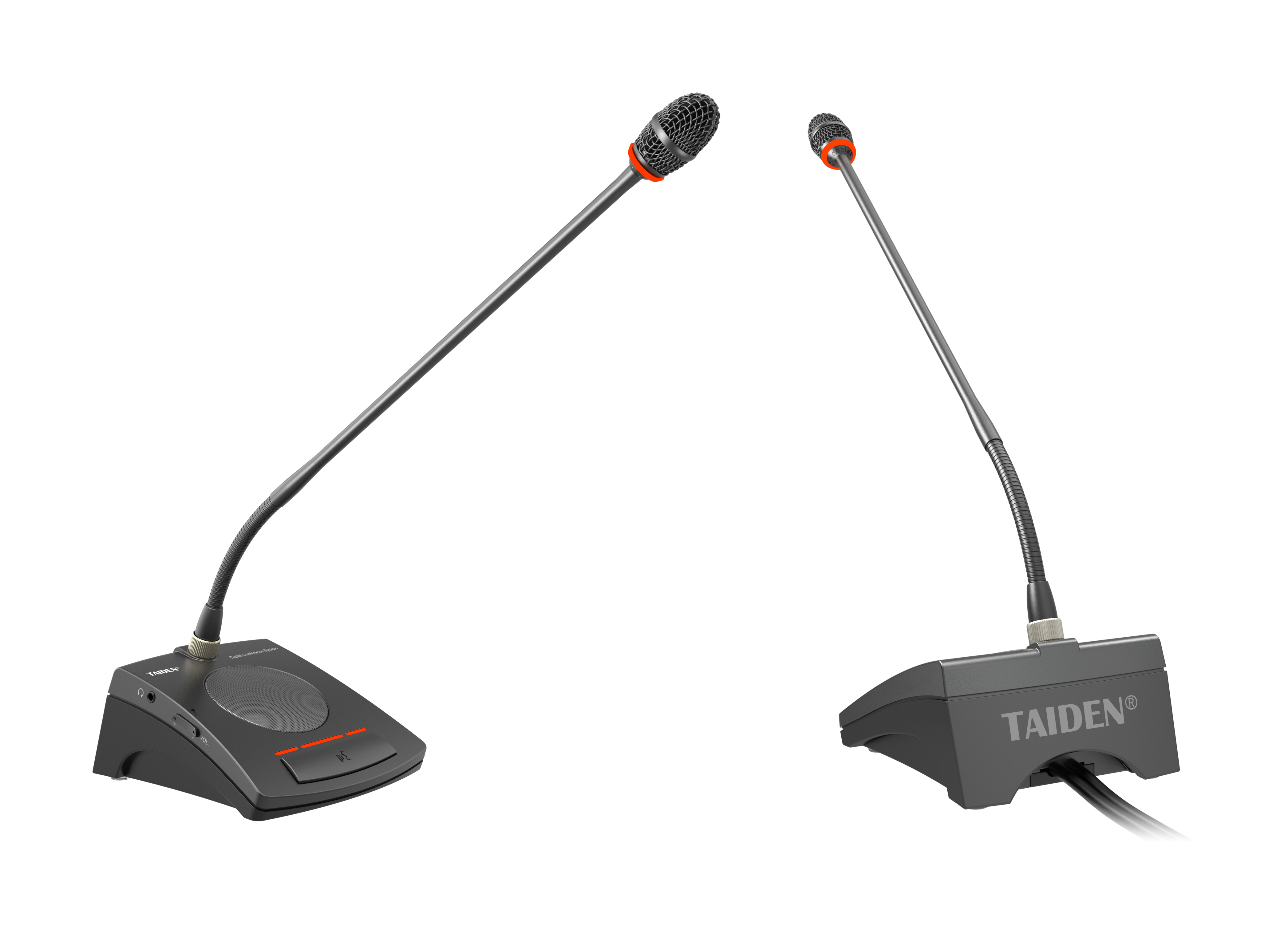
Here’s a technical truth that hides in plain sight: the promise of a digital meeting device is “it just works,” but the room often says otherwise. Open tables, glass walls, and soft ceilings widen the soundstage, so the mic hears what your ears ignore. A beamforming array can steer focus, but bad placement or uneven gain staging can undo it. The DSP then tries to heal the mix, yet your latency budget gets tight, and AEC starts to miss beats. Throw in a noisy laptop fan near a boundary mic—now your noise gate pumps. Look, it’s simpler than you think, but only if you map the chain: mic pattern, preamp gain, echo cancellers, speaker dispersion, and PoE power discipline. Miss one link and you get that hollow, tiring sound that makes people talk louder (and fatigue faster).
Where does the friction start?
Old habits. We treat a modern room like a stage, then expect studio polish. Traditional fixes—more mics, bigger speakers, hotter levels—stack problems. More open mics raise room gain. Bigger speakers bounce more energy off glass. Hotter levels force the DSP to clamp harder, and intelligibility drops. The trap is subtle: you solve a symptom and feed the cause—funny how that works, right? The hidden pain points are predictable: inconsistent seating distance, mixed mic types, and unmanaged talker overlap. Solve the geometry first, then the electronics. Keep arrays within a sane pickup angle, keep loudspeakers aimed at faces not walls, and respect signal headroom. Do this, and your “plug and play” becomes “plug and breathe.”

Comparative Insight: Evolving Rooms, Smarter Signals
Let’s look ahead and compare paths. Legacy rooms leaned on analog mixers and manual tweaks. Modern systems lean on adaptive algorithms and smarter routing. Think of it as moving from one big control board to a small network of edge computing nodes that make local, fast decisions. Instead of a single DSP trying to do everything, distributed units handle AEC near the mic, while the core manages mix-minus and room presets. This reduces echo paths and stabilizes gain before the signal travels. Even entry-level conference equipment can benefit when the design is right—shorter signal chains, cleaner power converters, and predictable loudspeaker coverage. The outcome is human: lower effort, steadier tone, less “Can you repeat that?” moments—and yes, it shows.
What’s Next
New principles are clear. First, teach the room to listen: use automatic gain control lightly and let the array do the heavy lifting. Second, localize intelligence: keep echo cancellation close to the mic, and perform cross-room mixing where it’s stable. Third, keep transport simple: one network hop beats three, especially when your latency budget must sit under 30 ms end-to-end. Compared to the old “more hardware” mindset, this flow sets a calmer baseline. From there, tune the last 10%: seating zones, talker priority, and soft-limit thresholds. To choose well, weigh three metrics. One: intelligibility under load—does speech stay clear with five talkers? Two: recovery time—how fast does AEC settle after a sudden noise? Three: maintainability—can you trace gain structure and logs in minutes, not hours? If you can check those boxes, your room will hold its groove. Knowledge shared, ears rested, meetings that land on time. TAIDEN

