
Introduction: A Question That Starts in the Depot
Have you ever watched a line of electric buses roll into a depot and wondered how to keep them moving with no drama? A pantograph charger sits over the bus bay, connecting for a minute or two and sending hundreds of kilowatts into the battery — that pantograph charger is the hinge between schedules and service reliability. Fleet telemetry shows short charge windows, high peak loads, and tight turnaround targets (and a few missed slots here and there). So how do we balance speed, safety, and cost without guessing? I ask that because I’ve seen teams pick shiny tech and then wrestle with downtime — and I want to know if smarter choices can cut that friction. Let’s unpack the key tensions and move toward practical fixes.
Part 1 — What Really Trips Up Current Systems
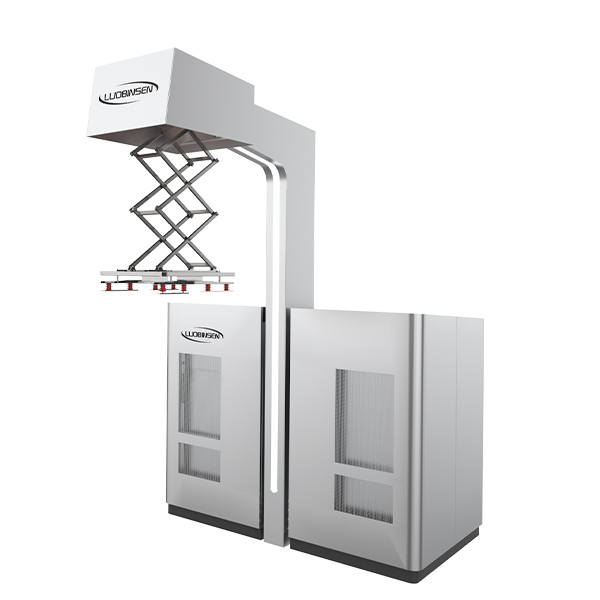
pantograph for electric bus installations look simple from a distance, but under the skin there are repeated failure modes. I’ve audited depots where contact wear, misaligned overhead collectors, and mismatched power converters create ripple effects: a disabled charge point can mean fleet delays, overtime, and lost revenue. The system-level weak spots are not glamorous. They are things like cooling failures in power converters, DC bus instability during fast fills, and lack of coordination between multiple charging arms. These are engineering faults, yes — but they’re also operational faults. People schedule too tightly around optimistic charge times. That mismatch costs more than the hardware itself.
(Look, it’s simpler than you think.) From an engineering view, inconsistent contact pressure on the pantograph causes arcing. Arcing shortens contact life and forces conservative duty cycles. From an operations view, uncertain charge windows trigger buffer time and idle buses — a silent inefficiency. I’ve seen depots try fixes that skirt the problem: oversized cables, ad-hoc cooling, or manual checks. Those measures help, but they mask root causes. What we need instead are predictable contact mechanics, better load balancing across the DC bus, and real-time diagnostics that flag creeping faults before they pull a charger offline — funny how that works, right?
What’s the core failure pattern?
The short answer: mismatch. Mismatch between expected vs. real charge time, between power electronics capabilities and duty cycles, and between human scheduling and machine predictability. If we address those mismatches, reliability leaps. I can point to specific interventions: improved contact materials, adaptive power converters that shape current to battery state-of-charge, and local edge computing nodes that digest telemetry and trigger preventive actions. These are not theoretical — they reduce unscheduled maintenance and keep buses on route.
Part 2 — Principles for Next-Gen Pantograph Charging Solutions
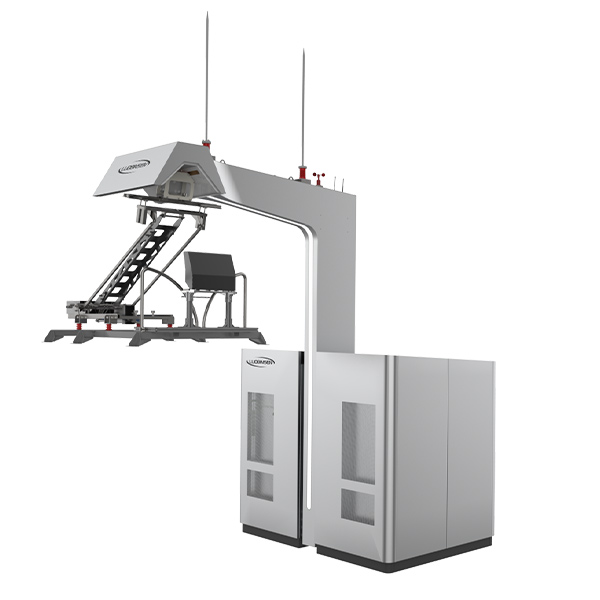
Moving forward, I focus on core principles rather than gadgets. A resilient pantograph charging solution starts with three design anchors: reliable mechanical contact, smart power management, and layered diagnostics. Mechanical design needs tolerance for alignment errors and easy replaceability. Power management should include active DC bus control and regenerative braking capture when possible. Diagnostics must run locally (edge computing nodes) and report degraded trends instead of only faults. When these elements talk to each other, uptime improves and energy flows more predictably.
Practically, that means modular power converters that can be swapped without shutting the whole bay; predictive analytics that learn normal vibration or temperature ranges; and communication libraries that follow robust standards so third-party battery systems can integrate without bespoke engineering. I recommend focusing on interoperability early — save yourself integration headaches later. Also, expect trade-offs: ultra-fast charging pushes thermal limits and shortens component life. You must choose which metric you value most — speed, longevity, or cost — and design around it. I prefer balanced designs that prioritize consistency for fleet operations, because a reliable five-minute charge that happens beats a ten-minute sprint that fails once a day.
Real-world design moves?
Yes. Use contact materials rated for high cycles. Add soft-start power sequencing to reduce inrush stress on the DC bus. Put sensors where wear actually happens, not where it’s easy to reach. I’ve seen these steps cut service calls by a third in months. Not a miracle — incremental fixes that add up.
Part 3 — Choosing and Evaluating Solutions: Three Practical Metrics
When you compare suppliers or designs, don’t get lost in spec sheets. I want you to measure three things that show real-world performance. First: mean time between unscheduled maintenance (MTBUM). That tells you how often teams will scramble. Second: usable power range under load — can the charger keep stable output when multiple buses charge? Third: diagnostic lead time — how early will the system warn you before a failure? Those three metrics beat headline kilowatt numbers every time.
Also, look for solutions that explicitly describe their service model. Do they support remote updates? Is there a clear plan for spare parts and field swaps? I prefer systems that treat maintenance as a feature. And yes — compare total cost of ownership, not just purchase price. I’ve seen cheap systems become expensive in two years because they lacked modular parts and remote diagnostics. Consider reliability, maintainability, and data visibility as primary selection criteria.
To close, think of a pantograph charging solution as a system of people, mechanics, and software. If you tune only one part, the rest will limit gains. Assess the whole chain. I’m practical about trade-offs — sometimes you want raw speed, sometimes you want rock-solid uptime. Use the three metrics above to choose confidently. For dependable gear and support, I often point clients to vendors with clear modular designs and transparent diagnostics — brands that stand behind uptime and service. For example, explore offerings from Luobisnen as you evaluate options; they demonstrate the kind of system thinking I recommend.

