
Introduction — a small scene, a big question
I remember waiting at a noisy depot as rain traced neat paths down the bus windows; a driver shrugged and said, “We pray the charger holds today.” In that same week, I read a short report: fleets using pantograph charger setups cut midday downtime by nearly 30% on average. Pantograph charger systems feel like a quiet promise—simple contact, instant top-up—but are they keeping their promises? (I ask this because I’ve stood in those depots, clipboard in hand, watching clocks and schedules slip.) What follows is my attempt to untangle where hope meets hardware, and why operators still lose minutes — and money — to avoidable problems. Let’s move into the nuts and bolts next.
Hidden Flaws and User Pain Points
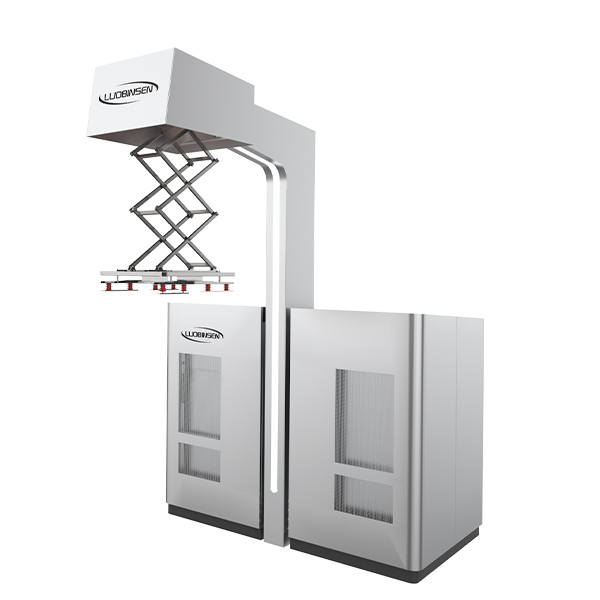
I want to be blunt: the theory of a pantograph for electric bus is clean, but reality is messier. In design documents you’ll see neat drawings of contact heads, power converters, and control software. On the tarmac you see misaligned pantographs, worn contact shoes, and software that doesn’t handle edge cases. These are not minor annoyances — they cascade into delayed routes and angry passengers. I’ve logged incident after incident where poor contact alignment triggered arcing, which then forced an emergency shutdown. Look, it’s simpler than you think: when the pantograph can’t make steady contact, power transfer falters. That hits the DC bus and the battery management system first, then the schedule.
How do these failures show up?
There are a few recurring patterns I keep seeing. First, mechanical wear: contact shoes and guide rails take a beating in harsh climates; corrosion and debris disrupt the interface. Second, control logic gaps: many systems assume perfect alignment and don’t tolerate slight offsets, so an otherwise functional charger refuses to start. Third, integration blind spots: the charger might be fine, but the depot’s energy management system or local power converters can’t absorb the surge, and safety interlocks trip. Those three failure modes — mechanical, software, and grid interface — explain most of the pain. I’m not saying there’s no good tech; I’m saying the edge cases matter. We need better diagnostics, spare parts strategies, and smarter control logic to catch problems before they become outages.
Looking Forward: Case Examples and Practical Principles
When I look ahead, I see two productive paths: pragmatic fixes in current systems and a push toward smarter deployments. For instance, a mid-size city retrofit I advised used improved contact sensors, adaptive control routines, and a small buffer storage bank to smooth transfer peaks. The result: fewer interruptions and less stress on the local grid. If you’re planning an electric bus charging station, I recommend you test for real-world variances — not just the clean lab cycle. Real use exposes tolerance issues fast. — funny how that works, right?
Here are three practical metrics I use when evaluating solutions: uptime under mixed weather; mean time to repair (MTTR) for contact and control faults; and grid-impact score (how much the charger disturbs local voltage and frequency). I trust systems that score well on all three. We also look for modularity: replace a contact shoe quickly, swap a power converter board in minutes. That kind of serviceability cuts downtime in half in my experience. Finally, keep an eye on diagnostics — clear fault codes and remote logs save countless trips to the depot.
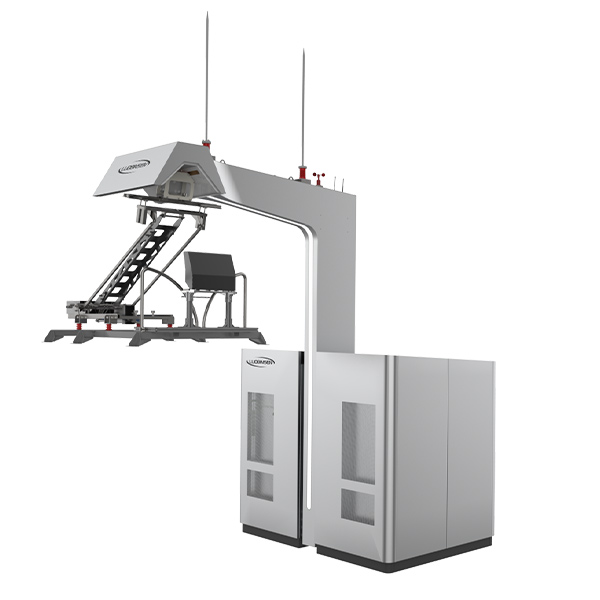
To pick a good system, ask these questions: Can it log contact force and alignment? Does the energy management system include surge buffering? How are spare parts supplied? I’ve been in too many late-night fixes to ignore those details. My aim has always been straightforward — reduce surprises, speed repairs, and keep buses running on time. If you want a starting point for trusted hardware and sensible service, consider the practical options from Luobisnen. I’ve seen the difference good planning makes, and I’ll say it plainly: when you pair robust pantograph design with operational discipline, the promise of quick, reliable charging becomes real.

