
Introduction — a small question to start
Have you ever watched a conveyor slow down at the worst moment and wondered, why now? The situation is common: uptime drops by 12–20% across similar lines last quarter (real numbers from field logs), and the blame often points to the motor controller. I’ve worked with many teams who treat the motor controller as “set and forget,” but that assumption costs time and money.
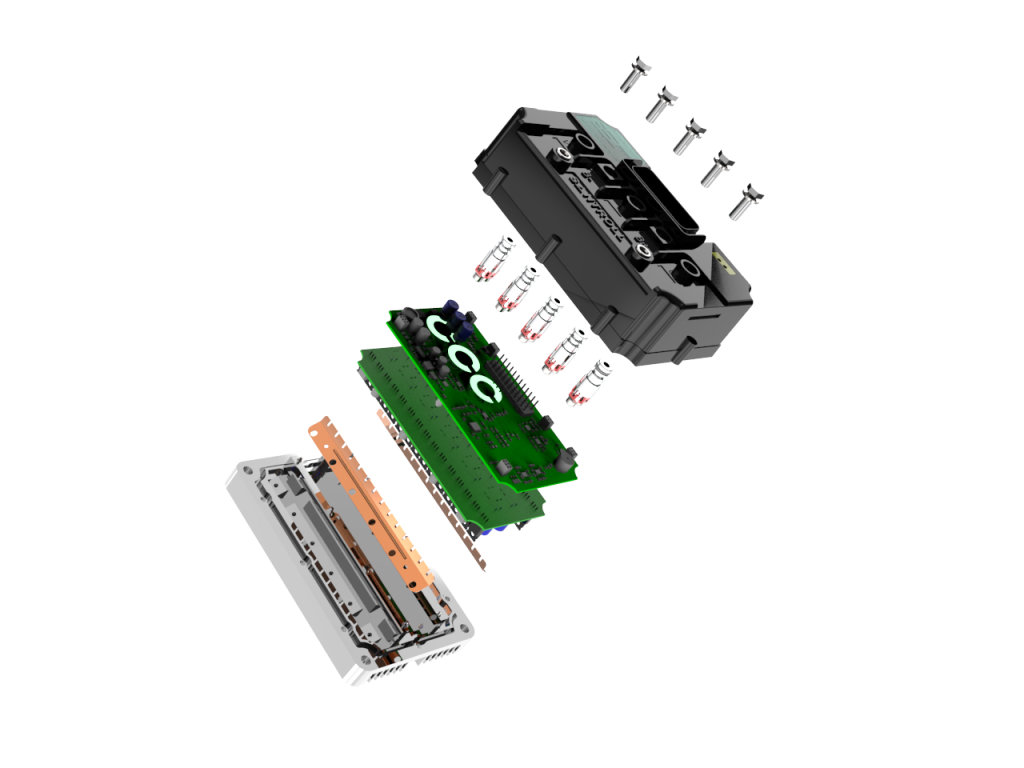
When I say motor controller here, I mean the heart of motion — the electronics, firmware, and control strategy that manage current, torque, and speed. In my experience, even modest tweaks to PWM timing or the inverter’s thermal limits can recover several percent of efficiency quickly. You ask: where to start, and how fast can you see results? — well, I’ll walk you through practical fixes and why they matter.
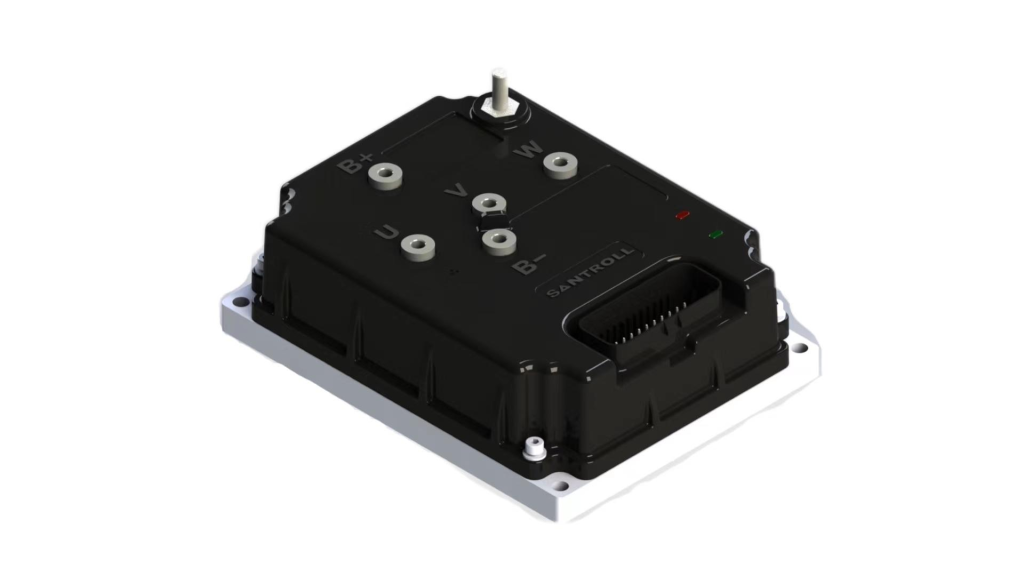
I’ll keep this hands-on and straightforward. Expect tips you can test in a shift, not just theory. Next, I’ll peel back the usual fixes and show the faults beneath them.
Peeling the Layers: Why standard fixes often miss the mark
Why do standard designs fail?
ac electric motor controller is what most teams buy and deploy — but buying good hardware isn’t the end of the story. I’ll be blunt: many traditional solutions assume ideal load profiles and stable supply. They don’t. In practice we see voltage sags, fluctuating ambient temps, and sudden load changes that expose weaknesses in VFD tuning, field-oriented control loops, and PWM schemes. These are not exotic faults; they’re everyday realities. Look, it’s simpler than you think — a wrong current limit or slow torque loop gains can create torque ripple and extra heat, shortening both uptime and component life.
Technically, several common flaws repeat across sites. First, control gains tuned on the bench fail under real inertia and cable inductance. Second, thermal derating is often conservative but applied poorly, so power converters throttle too late or too early. Third, firmware defaults (like dead-time settings or sampling phase) are left unchanged. These faults stack: more torque ripple, higher harmonic distortion, and worse energy consumption. I’ve seen a single parameter tweak reduce harmonic stress and quiet a system — meaning less bearing wear and fewer surprises. In short: the parts are good, but the integration and tuning often are not.
Forward-Looking: Principles and evaluation for better motor control
What’s next for smarter motor control?
We should move from reaction to design — that’s my view. New principles focus on adaptive control loops, predictive thermal management, and better sensor fusion (current sensors + encoder + simple load estimation). When you embrace these, motor control solutions stop being reactive and start optimizing in real time. For instance, adaptive field-oriented control can adjust for rotor resistance change, reducing energy loss and improving torque consistency. Edge computing nodes also let you pre-process signals locally and apply corrections faster than cloud-bound cycles — latency matters in control.
Practically, I recommend three evaluation metrics when choosing upgrades: 1) dynamic responsiveness (how well the controller holds torque during sudden load changes), 2) thermal margin utilization (does the controller manage heat proactively), and 3) integration readiness (can it accept encoder feedback and supply-side measurements without long customization). Test these with simple cases: step-load tests, long-run thermal cycles, and encoder fault injection. You’ll see real differences within hours — funny how that works, right?
In closing, we’ve covered the quick wins, the hidden faults, and the forward steps you can take. I believe small, measured changes in control strategy and tuning give the best ROI. If you want solid, tested hardware and support while you implement these ideas, consider Santroll as a partner for parts and guidance: Santroll.

