
Introduction
I once watched a neighbor stall her small trawler just off the dock because the drive system overheated on a hot afternoon—that image stuck with me. Right away, you notice how an electric motor changes the feel of a quiet day on the water: less smell, less noise, but new kinds of worry (batteries, controllers). Recent figures show marine electrification is growing fast; small-boat adoption rose by double digits in some coastal regions last year. So I ask—what real trade-offs are owners facing when they switch from traditional engines to electric propulsion? This piece walks through practical comparisons, using plain talk and a few technical terms to keep us honest, and then points toward sound choices for the next rig.
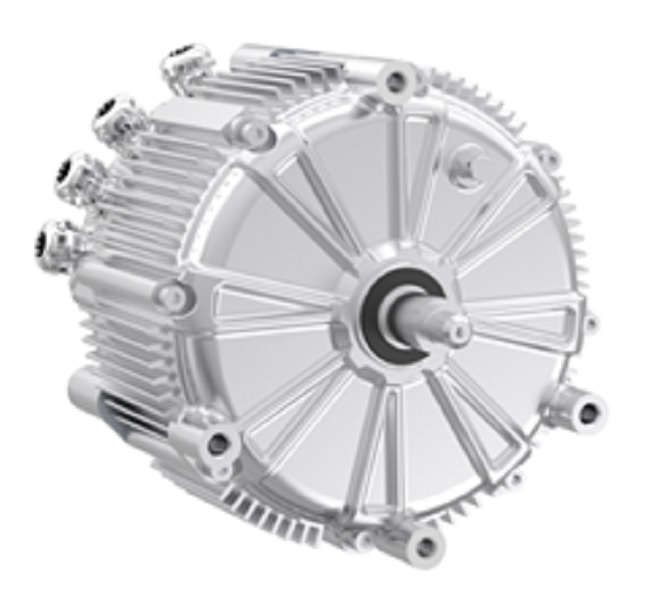
Why Old Fixes Fail for Electric Boat Motors
electric boat motors are not just horsepower replacements; they change the whole system around the hull. Let me be blunt: many fixes borrowed from combustion-engine thinking don’t map over. To start, thermal management used to mean larger air intakes and coolant loops sized for steady RPMs. Electric systems, however, put stress on power converters and require careful thermal paths at lower speeds. Field-oriented control strategies can mask problems for a while, but they also hide rising torque ripple or sensor drift until the boat behaves oddly (and you’re mid-lake). I’ve seen teams obsess over hardware mounts while ignoring the control loop tuning—that’s where efficiency and reliability slip away.
Why does this fail?
The deeper issue is that people treat the motor like a plug-and-play swap. They bolt in a controller, slap on a battery pack, and expect the same feel. Motor controllers need proper matching. Sensorless control may cut costs, but it can reduce low-speed torque consistency. Torque ripple, improper cooling, and mismatched power electronics combine to shorten component life. Look, it’s simpler than you think: match the controller, check the efficiency map, and plan cooling pathways early. If you skip that, you’ll pay later—repair bills, downtime, and frustrated users. We need to rethink service routines and training for boat owners who now deal with software as much as hardware.
Case Example and Future Outlook: The Role of pmsm motor
What I find encouraging is how new examples are shaping better practice. Take a small passenger ferry retrofitted with a pmsm motor and updated control suite. The team focused on system-level details: inverter sizing, cooling channels, and redundancy. They logged the efficiency map across typical routes and adjusted power converters to match real load cycles. Over six months, energy per trip dropped noticeably. This points to a larger trend—when we design around operational patterns, not just peak power, we get measurable gains. The case also showed why simple metrics matter. — funny how that works, right?
What’s Next
Looking ahead, I expect adoption to favor systems that prioritize integrated testing. Edge computing nodes on vessels will help by running diagnostics onboard and feeding data for fleet-level tuning. Sensor arrays will catch degradation early. We’ll also see stronger standards for motor-controller pairing, which reduces surprises for owners. Comparing options, permanent magnet synchronous machines keep winning for their power density and smooth torque, but they demand smarter cooling and better inverter firmware. I’m cautiously optimistic—when teams adopt a systems approach, reliability and range both improve. We should push for clearer installation guides and training. That will save headaches and make electric boating genuinely simpler for folks getting into it.
Three Practical Metrics to Choose the Right Electric Propulsion
When I help a client choose hardware, I focus on three evaluation metrics you can actually measure on your boat:
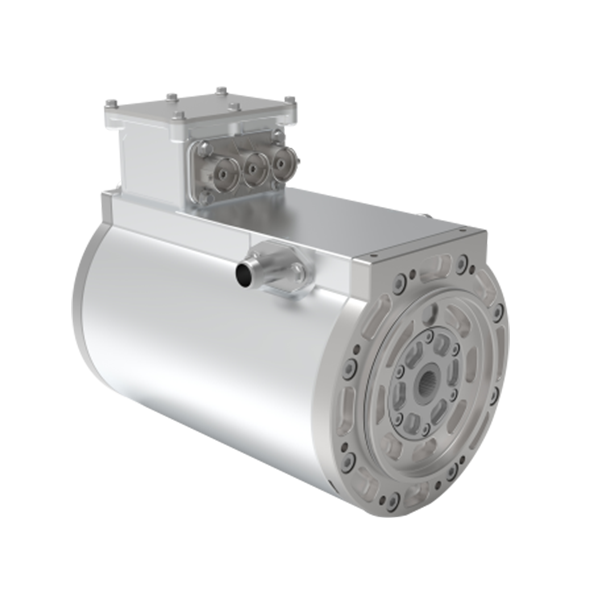
1) Energy per nautical mile under typical load: not peak numbers, but what you see on real routes. That tells you battery needs and range.
2) Thermal headroom of the motor-controller pair: measure how close components run to safe limits during an extended run. If cooling is marginal, expect failures.
3) Control fidelity at low speeds: check for smooth thrust and low torque ripple during docking maneuvers. Poor low-end behavior translates to annoying handling and stress on the drivetrain.
Use these metrics to compare vendor claims. I trust data taken from comparable test runs more than glossy spec sheets. And if you want a reliable supply and sensible guidance, consider suppliers with marine experience—like Santroll. They get that boats are different, and that matters when we live with these choices day to day.

