
Introduction — a quick scene, some numbers, and a question
I walked into a mid-sized shop last winter and watched a machinist wrestle with an old machine that simply couldn’t finish a part on time — relatable, right? According to industry surveys, demand for precision parts has climbed more than 18% in the last three years, and many shops are evaluating 5 axis CNC machining center manufacturers to close that gap (supply chain hiccups and all). Which manufacturer should you pick, and what trade-offs really matter when uptime, spindle speed and toolpath accuracy are on the line?
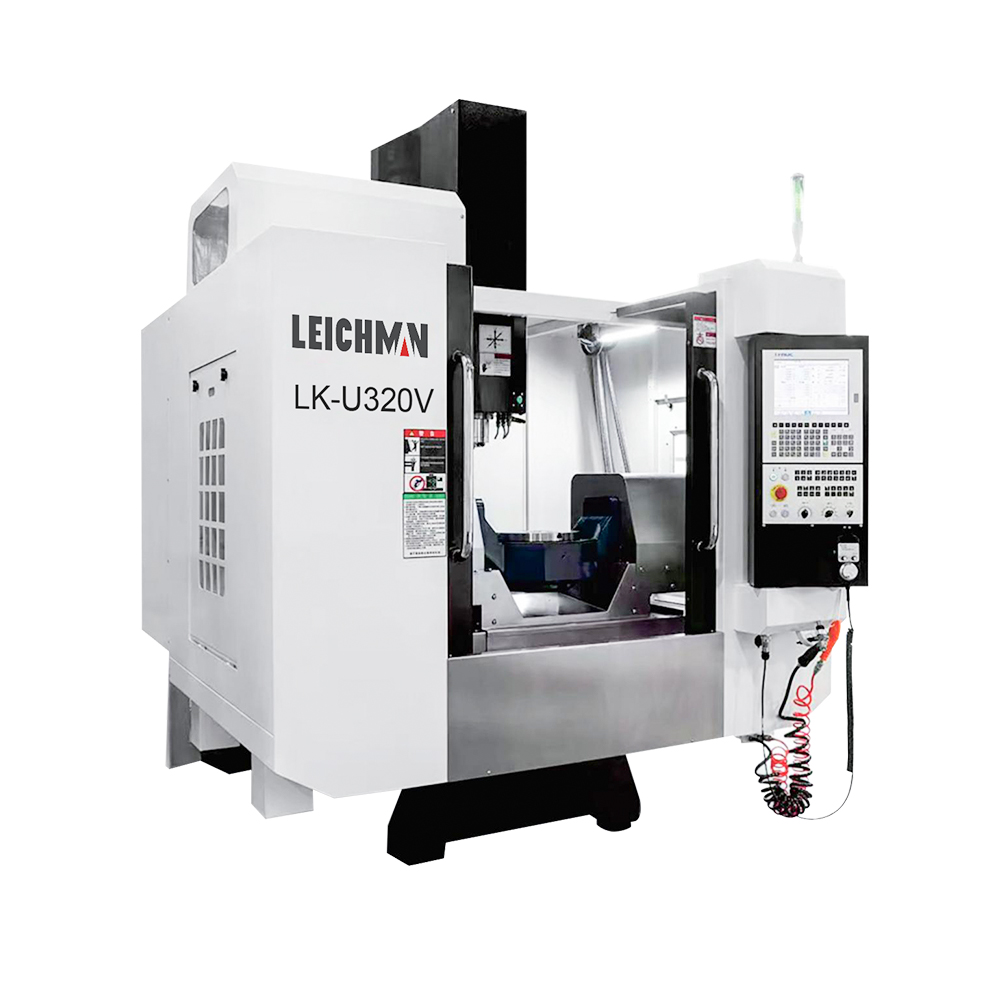
I want to cut through the brochure-speak. We’ll look at real differences between vendors, practical performance indicators and the questions I ask when I visit a shop. Expect plain talk about CNC controllers, servo motors, and tool changers — the things that actually change your day-to-day work. I’ll share examples I’ve seen, mistakes to avoid, and a short checklist you can use tomorrow.
Let’s move from a snapshot into the deeper problems many shops face — and why specs on paper rarely tell the whole story.
Where the usual fixes fail: peeling back the layers on the 5 axis machine center
As I noted above, specs don’t equal results. When shops invest in a 5 axis machine center, they often focus on nominal metrics — max spindle speed, axis interpolation, or advertised tolerances. Yet the real failure points are subtler: controller integration that creates latency, toolpath optimization that never matches the actual workholding, and gearbox backlash that shows up as scrap. Those are not headline specs; they’re operational pains. Look, it’s simpler than you think — small mismatches multiply.
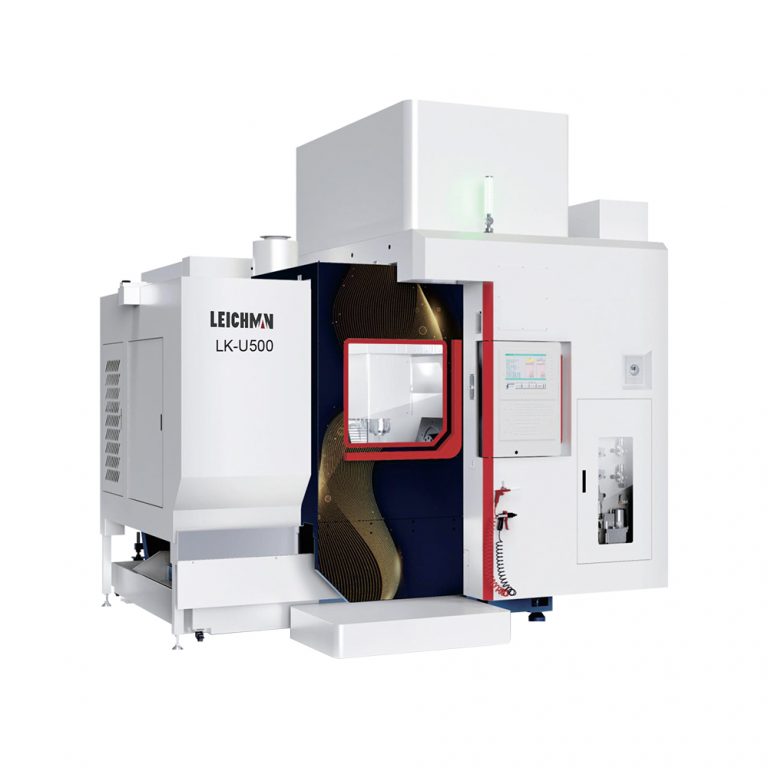
What keeps operators up at night?
The first problem is feedback and control. A machine with great servo motors still underperforms if the CNC controller can’t process look-ahead data efficiently. That’s where terms like “axis interpolation” and “feed rate override” matter in practice. Second, tooling and fixturing get short shrift during purchase decisions. Poor fixture design makes the most sophisticated toolpath irrelevant. Third, maintenance complexity hides behind warranty promises: proprietary power converters or exotic spindle bearings can drive downtime and long lead times for parts.
I’ve seen shops buy machines that excel in a catalogue but stumble in real projects because setup time — aligning fixtures, tuning tool offsets, debugging post-processors — crushed the productivity gains. Those hidden costs are the reason a machine that seems cheaper upfront becomes more expensive in operations. This is technical, yes, but it’s also human: operators and programmers need predictable, debuggable systems.
Looking forward — principles and metrics for the next purchase
Now let’s be practical and forward-looking. If you’re considering a five axis machining center for your shop, focus on how the machine will behave in your environment, not just what the brochure promises. I favour two approaches: first, test with your parts and your CAM post-processor; second, measure what matters. Don’t be impressed by peak spindle speed alone — check torque curves under load and how the machine handles sustained high-feed milling. (Real parts reveal real limits.)
Real-world impact — what to test
Run a short validation suite: a complex pocket for toolpath stability, a long contiguous cut for thermal drift, and a precision tolerance feature to check backlash and repeatability. Track setup time, cycle time variance, and scrap rate. Those three metrics — setup time, cycle consistency, and first-pass yield — tell you more about long-term cost than any single axis spec. Also, ask the vendor about service response times and spare parts logistics — spare drives and replacement bearings matter more than a glossy HMI.
Finally, here are three practical evaluation metrics I use when comparing vendors: 1) mean time to restore (MTTR) for critical failures; 2) real cycle-time delta between CAM simulation and measured run; 3) tooling and fixture ecosystem compatibility (how many off-the-shelf options you can use). Use these to score candidates. — funny how that works, right? In the end, the best choice balances technical capability with predictable support and low friction for operators.
For hands-on options and supplier details, I also keep an eye on manufacturers who back up machines with local service and clear documentation. If you want a reliable partner, consider smaller, responsive suppliers as well as the big names — they often win on practical grounds. For reference and further reading, check manufacturers like Leichman who list detailed specs and support options clearly.

