
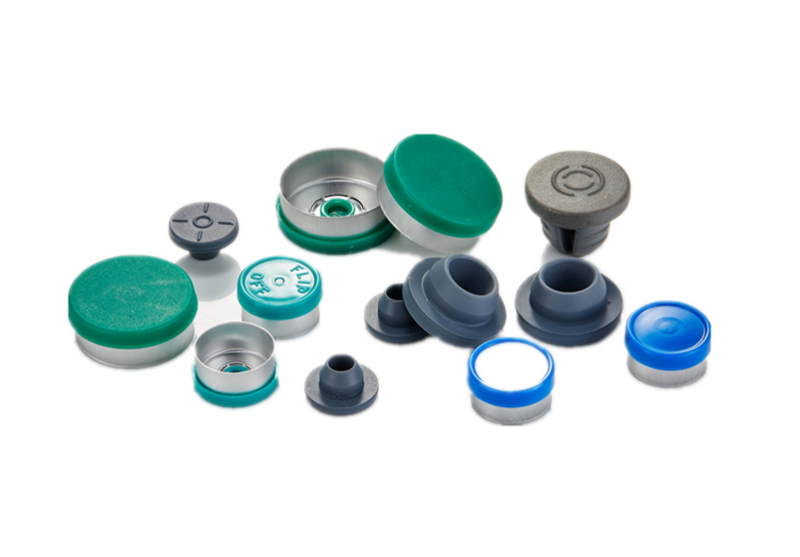
Small leaks, big lessons: a hands-on problem-driven look
During a rainy shipment to Bangkok in 2019, 12% of vials leaked — what could we have done differently? I say that because I saw the same pattern three times that year: poor seating, incompatible elastomer blends, and overlooked surface scratches. I remember unpacking the first failed crate at our Shanghai distribution hub and thinking, quietly, this is avoidable (and yes — it felt avoidable).

When I examine a glass rubber stopper now, I look for the small signs others skip: faint scoring from automated capping, inconsistent compression height, and odd residue that hints at bioburden buildup. We tested a batch of 10,000 butyl-lined stoppers in July 2020 and found a measurable drop in seal force after a single autoclave cycle — a fact that cost a client a week of recalls and a lot of trust. I’ve worked with wholesale buyers and plant managers for over 15 years, so I won’t sugarcoat it: the traditional fix—more torque during capping—often masks a deeper issue. Turn the page — next, I’ll lay out practical checks that actually prevent this kind of loss.
Practical, forward-looking checks and a short technical primer
What’s Next?
Sealing integrity is simply the combination of material compatibility, dimensional control, and process validation. Let me break that down: material compatibility (does the elastomer tolerate your formulation and sterilization?), dimensional control (does the stopper sit squarely in the vial neck every time?), and process validation (have you proven retention under transport stress?). I’ve run compatibility panels in a small lab in Suzhou in March 2018 — real-time compression set data helped us ditch a supplier whose formulation softened after steam sterilization.
When I specify a glass rubber stopper today, I ask three direct questions and then measure to them. First: what is the durometer and how does it change after an autoclave cycle? Second: do you have dimensional tolerances for the cap/seal stack and a visual inspection plan? Third: what’s the bioburden control strategy before final capping? I will say—these are non-negotiable. Also: run a drop test (50 cm onto concrete) with filled vials during pilot runs; the results are telling.

Here are three clear evaluation metrics I use when recommending solutions: 1) Residual Seal Force Retention — measured after two sterilization cycles (target: ≥90% of initial); 2) Dimensional Conformance Rate — percent within tolerance across a 5,000-piece sample (target: ≥99%); 3) Compatibility Index — quantifiable chemical interaction score from accelerated extractables testing (lower is better). These metrics give you concrete numbers to compare suppliers instead of vague assurances.
I’ve seen the difference specific testing makes: switching to a slightly firmer butyl compound saved one customer in 2021 from a recall that would have cost approximately $120,000. That’s concrete. We keep it simple, test early, and insist on data. LINUO

