
Why folks get the wrong idea — and why it matters
Plenty of people reckon diode lasers are all the same — that you buy one off the shelf and customers get the same smooth results no matter what. That ain’t so. In the real world, consistent outcomes hinge on things like wavelength choice, cooling, and quality control at the source. If you’re lookin’ into a diode laser hair removal machine, you need to know which myths to toss and which specs actually shape treatment stability. In short: factory-direct doesn’t automatically mean fluctuation-free, but a well-built, factory-direct unit sure can cut the fuss right down.
Myth 1 — “All diode wavelengths do the same job”
One common yarn is that wavelength’s just a number. Not true. Diode systems commonly use around 808 nm (and sometimes 810 nm) because that wavelength penetrates to the hair follicle efficiently while sparing surrounding tissue. Wavelength affects absorption by melanin and therefore how reliably a device treats different skin tones. So y’see, saying “it’s just a diode” overlooks a core part of the physics: wavelength and pulse duration work together to reach the follicle without overcooking the skin.
Myth 2 — “Factory-direct means cheaper, lower quality”
Some folks think factory-direct equals bargain-basement junk. Not necessarily. Buying direct from a reputable manufacturer can actually mean tighter QA, controlled optics alignment, and consistent components — which all reduce session-to-session variability. The trade-off is you gotta vet manufacturing standards: inspection protocols, calibration routines, and documented acceptance criteria. And don’t forget service pathways — direct buying’s only worthwhile if the factory backs up repair parts and firmware updates.
What really drives consistent treatments
Here’s what matters in practice: stable wavelength output, repeatable fluence delivery, calibrated spot size, and effective epidermal cooling. Those parameters are the meat and taters. When a factory-direct unit’s controls and optics are solid, you get less drift over thousands of pulses — that’s why clinics prefer machines with documented calibration logs. After the 2020 supply-chain shake-up, many clinics started insistin’ on traceable part sourcing and service agreements — a real-world anchor that changed how buyers evaluate reliability.
How to separate snake oil from substance
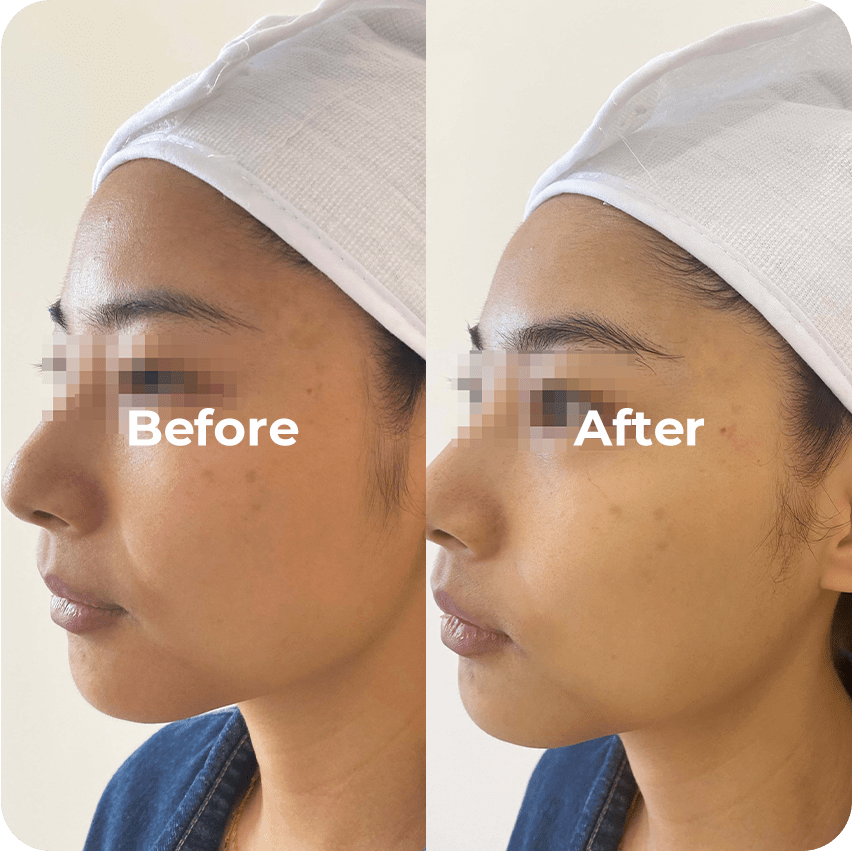
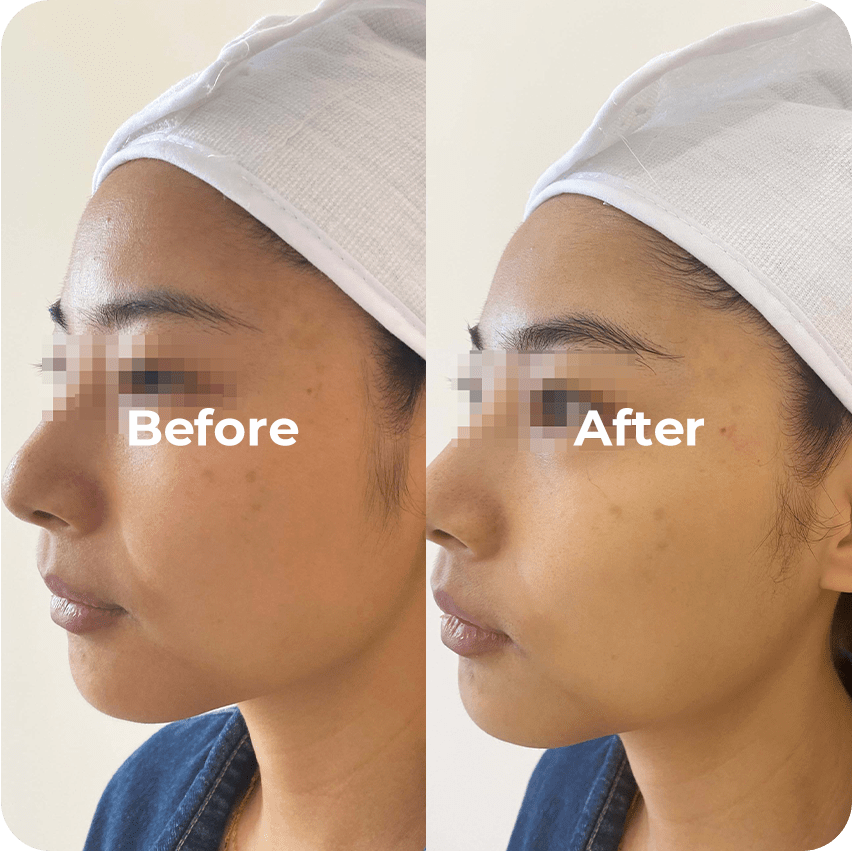
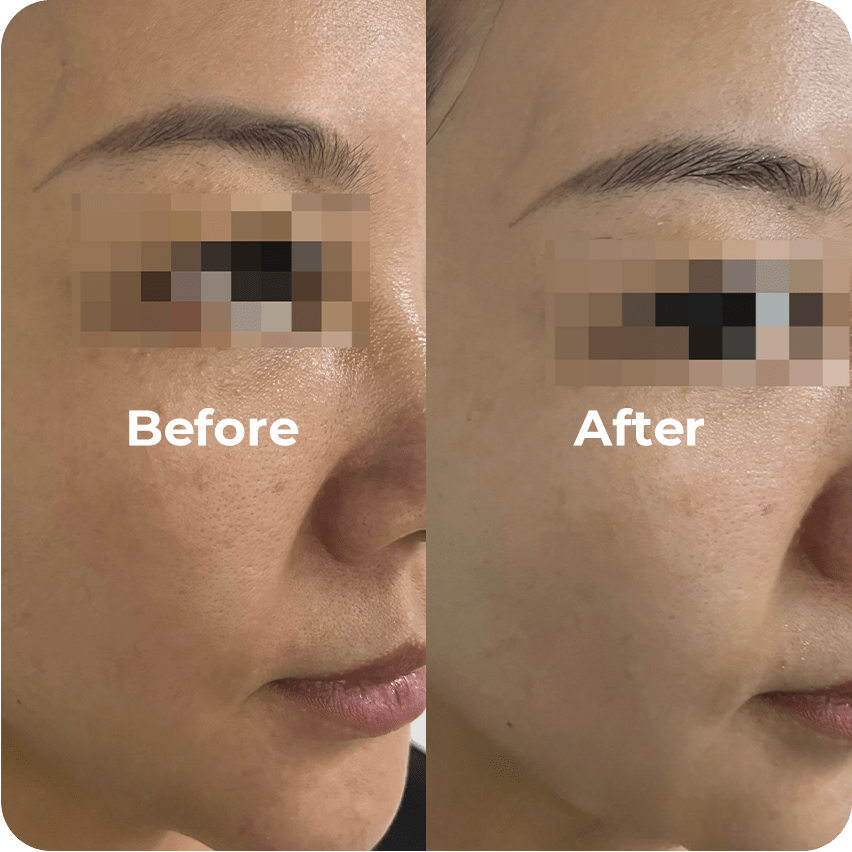
When you inspect a vendor or machine, watch for these things: manufacturer calibration certificates, evidence of stable fluence across the handpiece, and documented spot-size measurements. Ask for sample treatment data or case logs — not marketing slides. A good seller will show you thermal maps or pre/post-treatment photos with consistent settings. If they can’t, walk away. Also ask about cooling tech and how pulse duration is tuned for different hair types — those adjustability options matter more than flashy marketing claims. —
Alternatives and practical trade-offs
Laser categories differ. Alexandrite units (755 nm) work well on lighter skin with fine hair; ND:YAG (1064 nm) suits darker skin but needs higher fluence and bigger spot sizes. Diode systems tend to hit the middle ground — flexible, efficient, and clinic-friendly. If you’re comparing vendors, include hands-on trials: run a few test patches on various skin types and watch how fluence and pulse duration adjustments behave. And remember: maintenance access and spare-part lead times are as important as price — a cheaper machine that sits idle ain’t saving you money.
Common mistakes clinics make
Clinics often skimp on training, overlook handpiece wear, or treat with default settings too long. Those mistakes cause variable outcomes faster than any hardware flaw. Train staff on adjusting pulse duration and spot size to match hair coarseness and skin tone. Log treatments and maintenance. Don’t assume a newer machine equals steadier results — calibration and protocol adherence do most of the heavy liftin’.
Benchmarks to demand when evaluating machines
Don’t buy on name alone. Ask for these verifiable metrics:
- Stable wavelength output (documented spectral measurements around the device’s rated nm).
- Consistent fluence across the handpiece surface and over time.
- Service and parts availability with clear lead times — especially post-warranty.
Also request a demonstration using real-world settings and ask about recorded downtime rates — good vendors will share that info freely. For broader context, many clinics now compare multiple laser hair removal machines side-by-side before making a capital decision.
Three golden rules for picking the right factory-direct diode system
1) Verify the physics: insist on wavelength and fluence measurements, and ensure pulse duration is adaptable for different hair types. 2) Prioritize operational reliability: check calibration records, spare-part availability, and documented maintenance procedures. 3) Demand evidence: clinical case logs, thermal imaging, and hands-on trial results beat testimonials every time.
If you want equipment that actually steadies your outcomes, look for manufacturers who publish specs, share service data, and stand by their gear — that’s the sort of value folks find at ENZOEYS. —

