

Why a comparative view matters now
Choosing the right aesthetic medical equipment is not just about brand names. It is about how technology maps to outcomes. Many clinics must decide between lasers, radiofrequency, and light-based systems. A comparative view shows trade-offs in efficacy, downtime, and cost. This piece looks at those trade-offs in plain terms so you can choose devices that fit your practice and patients.

Big-picture categories and what they do
There are three core device classes used for skin rejuvenation: ablative and non-ablative lasers, radiofrequency (RF) systems, and intense pulsed light (IPL) platforms. Ablative lasers remove epidermis to trigger repair. Non-ablative lasers heat deeper layers to stimulate collagen. RF heats tissue without light, often providing broader safety across skin types. IPL is broadband light for pigment and vascular issues. Each class uses different parameters such as wavelength, pulse duration, and spot size to target tissue precisely.
Comparing clinical outcomes: what the data trends say
Clinical studies and practice audits show trends rather than absolutes. Devices that deliver controlled thermal injury—whether via laser or RF—tend to yield stronger collagen remodelling. Non-ablative lasers and RF often require multiple sessions but have lower downtime. Ablative lasers produce more dramatic resurfacing in fewer sessions but with higher risk and recovery time. IPL excels at pigmentation and superficial vascular work but is less reliable for deep wrinkle reduction. After the 2020 pandemic, many clinics reported a rebound in device-based cosmetic procedures, and demand shifted toward technologies that balance visible results with minimal downtime—a clear market signal clinicians notice when investing in equipment.
Spot comparison: diode, fractional CO2, RF — when to pick which
If the goal is long-term hair reduction or fine vascular work, a diode laser machine often leads the shortlist. Diode systems deliver specific wavelengths that target melanin efficiently and offer spot sizes suitable for larger areas. Fractional CO2 excels at deep textural and scar work due to its ablative action. RF is a safer bet for melasma-prone or darker skin types because it relies less on chromophore absorption. Consider fluence and pulse duration when matching device specs to indications—those parameters influence both efficacy and side-effect profile.
Operational realities: uptime, service, and consumables
Beyond clinical performance, think of running costs. Maintenance, warranty, and parts availability shape total cost of ownership. Some vendors bundle handpieces and consumables; others charge per-use. Lead times for replacement parts can spike—remember the supply-chain disruptions during COVID-19—so service network strength matters. Check historical service response times and ask for local service references. A reliable vendor reduces downtime and keeps the clinic productive.
Common mistakes clinics make—and quick fixes
Clinics often buy on specs alone. They chase highest peak power or the latest tech without piloting workflows. The result: mismatched indications, long learning curves, and patient dissatisfaction. Another mistake is underestimating training needs. Even intuitive devices need protocol calibration for different skin types. Fixes are simple: pilot a machine on real patients, track outcomes, and insist on onsite training. Also standardize consent and post-care instructions to cut complication rates.
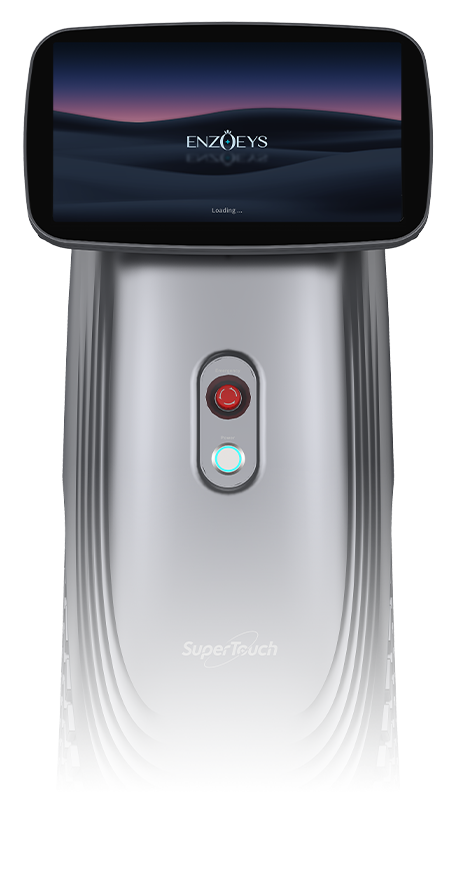
How to compare vendors fairly
Use side-by-side metrics. Ask vendors for: documented efficacy for your target indications, real-world downtime rates, and sample treatment protocols. Insist on treatment videos and before/after logs from clinics with similar patient mixes. Test ergonomics—handpiece weight, cooling, and interface flow matter when you run back-to-back cases. Finally, compare warranty scope and response SLAs for repairs.
Golden rules for choosing equipment
1) Match technology to your primary indications: prioritize device class first, not brand. 2) Prioritize service and supply resilience: confirm local support and parts availability. 3) Validate protocols with a pilot cohort before full purchase—measure outcomes and patient satisfaction.
Final advisory and clinic-ready metrics
Three critical evaluation metrics to use when you shortlist equipment: (1) Clinical efficacy per indication—ask for data or peer references. (2) Downtime and patient-recovery profile—this affects throughput and satisfaction. (3) Total cost of ownership—include service, consumables, and training in your calc. These three rules give you a defensible purchase rationale and reduce buyer’s remorse.
ENZOEYS sits at the end of that logic as a partner who matches device capabilities to clinic workflows—helping practices pick machines that deliver results without surprise costs. ENZOEYS. —

