
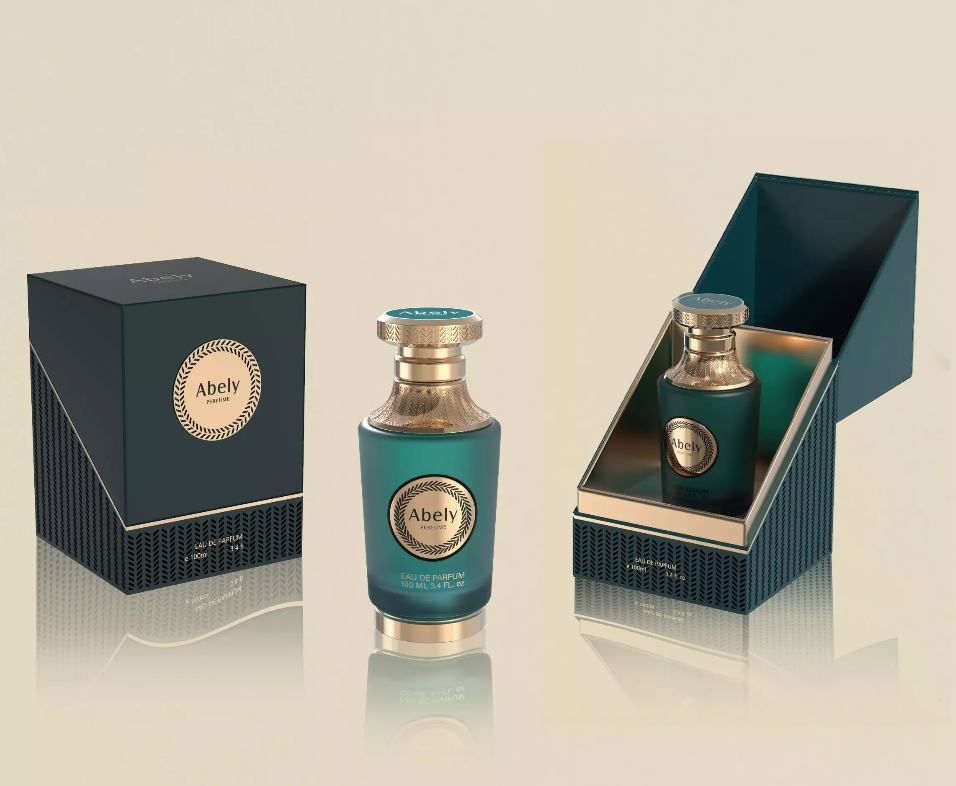
Introduction — framing the comparative problem
Selecting the right surface finish for perfume packaging is a systems problem: visual fidelity, tactile quality, chemical resistance, and regulatory compliance must all be balanced. This comparative insight examines liquid and dry-film finishes used in the sector, with a focus on industrial implementations of color coating for metal and glass components. I anchor the discussion to widely accepted test methods — for example, ASTM B117 salt spray for corrosion resistance — and to current EU packaging policy trends to keep the recommendations practical and auditable.
Comparative framework: metrics that matter
The evaluation framework reduces choices to measurable attributes: color accuracy (ΔE, CIELAB), film thickness (microns), adhesion (cross-hatch, ASTM D3359), solvent resistance (MEK rub counts), and weathering (QUV hours). Each technology — wet-spray lacquer, powder coating, physical vapor deposition (PVD), and opaque coatings tailored for perfume bottles — maps differently across these metrics. For instance, PVD gives excellent metallic effects and durability but is constrained for complex geometries; powder coating excels in film robustness but can struggle with thin, high-gloss decorative finishes. The right choice is the Pareto-optimal point for your priorities.
Technical trade-offs: how finishes perform
Breakdown by finish type, from a materials-engineering perspective:- Wet-spray lacquer: high color fidelity, low film thickness (10–30 µm), moderate solvent resistance; requires careful curing to prevent orange peel.- Powder coating: thicker films (50–150 µm), excellent abrasion and chemical resistance, limited for multi-color micro-registration.- PVD/CVD: ultra-thin metallic layers, high scratch resistance, premium visual effects—process complexity increases cost.- Opaque coating (specialized pigmented systems): engineered for full opacity and matte/gloss control; ideal when brand color must be exact and light-blocking is needed for UV-sensitive formulas. In practice, verifying ΔE < 1 and adhesion class 0 in ASTM tests separates production-ready systems from prototypes. Note that regulatory drivers — like the EU Packaging and Packaging Waste Directive — influence material selection and recyclability trade-offs.
Case comparisons: production realities and scale
Comparative trials often reveal non-obvious bottlenecks. Small-batch artisanal brands prioritize optical finish and complex decoration (hot stamping, foil), while large-scale manufacturers need throughput and consistency. For example, a Shanghai-based contract packer reported improving solvent resistance by switching powder formulations and optimizing cure profiles — throughput rose 12% after line retuning. Conversely, boutique houses invest in bespoke opaque coating layers to ensure pigments mask glass substrates without increasing film thickness. The decision matrix therefore includes line speed, oven footprint, and post-process handling.
Common mistakes and mitigations
Typical errors are process-level: insufficient surface prep, mismatched binder chemistry, and ignoring substrate thermal sensitivity. Avoid these by standardizing pre-treatment (alkaline cleaning, silane primers for glass), specifying binder polarity compatibility, and doing small factorial trials. Don’t assume a visually identical sample will scale — color shifts and adhesion failures often appear only after several production lots. If you skip accelerated testing you’ll pay later in warranty claims — and no one wants that.
Operational checklist for specification writers
Operationalize the comparison with a short checklist:- Define target ΔE tolerance and gloss units.- Specify minimum film thickness and acceptable range (µm).- Mandate ASTM/ISO tests: adhesion, salt spray (ASTM B117), QUV hours, and MEK rubs.- Include recyclability and chemical composition constraints per regional regulations.This checklist turns subjective preference into verifiable acceptance criteria, reducing rework and supplier disputes.
Summary synthesis
Synthesis: pick the finish that aligns with quantified priorities. If visual fidelity and thinness matter, choose wet-spray lacquer or engineered opaque coatings; if durability and cost-per-unit are primary, powder or PVD may be preferable depending on the effect. Testing to ASTM standards and early pilot runs uncover scale-dependent failures before they affect supply chains. In short: measure, specify, and validate.
Three golden rules for choosing finishes
Advisory — three critical evaluation metrics to lock in before procurement:1) Color tolerance (ΔE) and gloss spec — if your brand color deviates, consumer perception drops measurably. 2) Mechanical durability benchmark — specify adhesion class and abrasion cycles required for retail handling. 3) Lifecycle and regulatory compliance — require recyclability data and include any regional directives (e.g., EU PPWD) in contracts.
Conclusion
When the specification is clear and tests are standardized, implementation becomes engineering execution, not guesswork; the practical value is exactly what suppliers like Abely deliver through calibrated processes and documented test reports. Expect measurable reductions in rework and improved first-pass yield. Practical expertise wins.
Proven, precise, pragmatic — trust the data. —

