
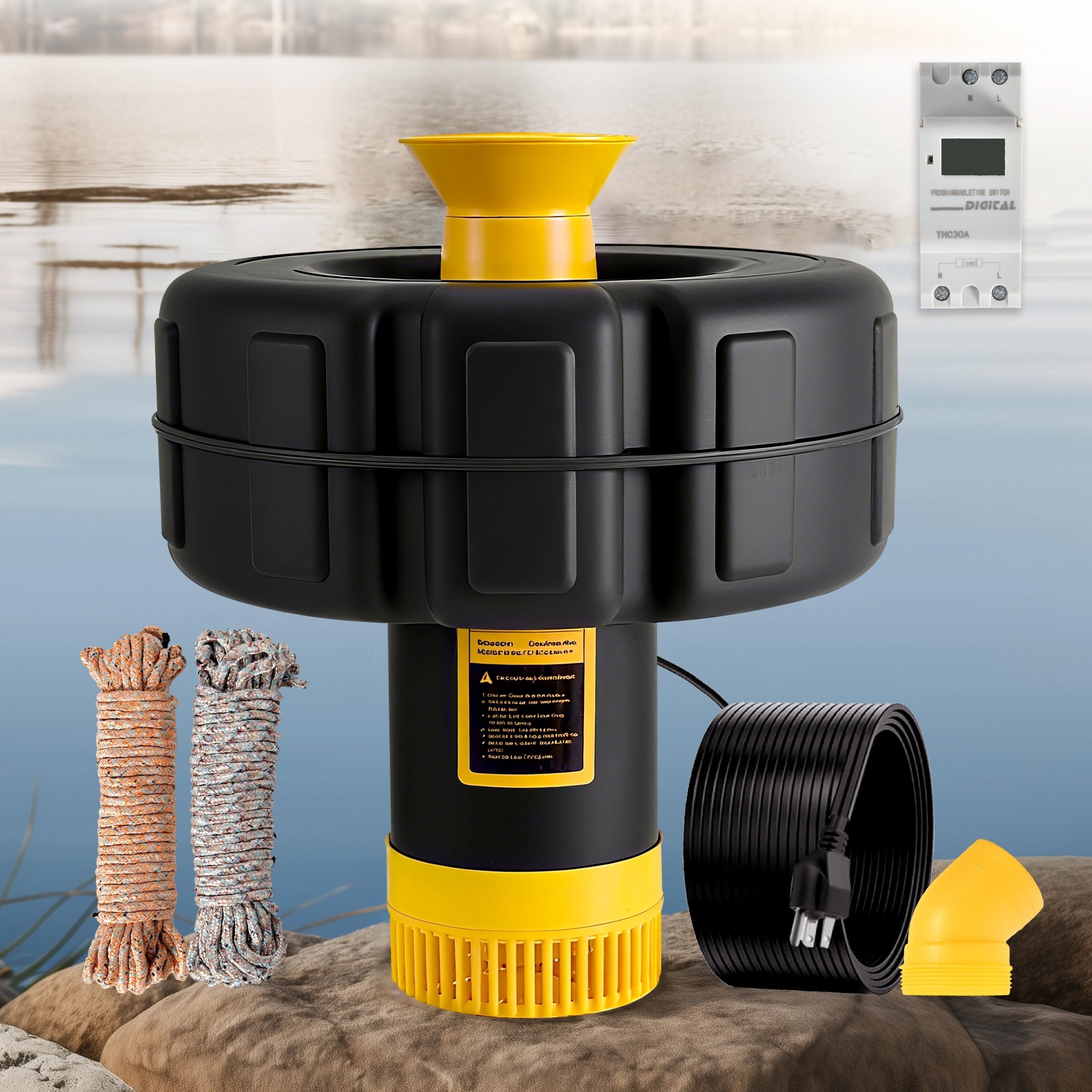
Setting the problem: why smart portable fountains so often disappoint
Many purchasers expect a compact, app-controlled fountain to deliver serene water movement and reliable scheduling; instead they get stuttering jets, noisy pumps and flaky connectivity. The problem is not merely cosmetic — poor control calibration alters flow rate, stresses the pump head and shortens component life. If you have a small decorative pond fountain or a modest backyard pond fountain, these failures show quickly. The issue combines hydrodynamic mismatch (nozzle geometry versus pump specification) with signal integrity problems in the wireless control—both must be addressed for a dependable system. The Chelsea Flower Show, for example, has repeatedly highlighted how water-feature engineering separates an attractive display from a maintenance burden; that exhibition provides a useful real-world anchor for best practice in design and control.
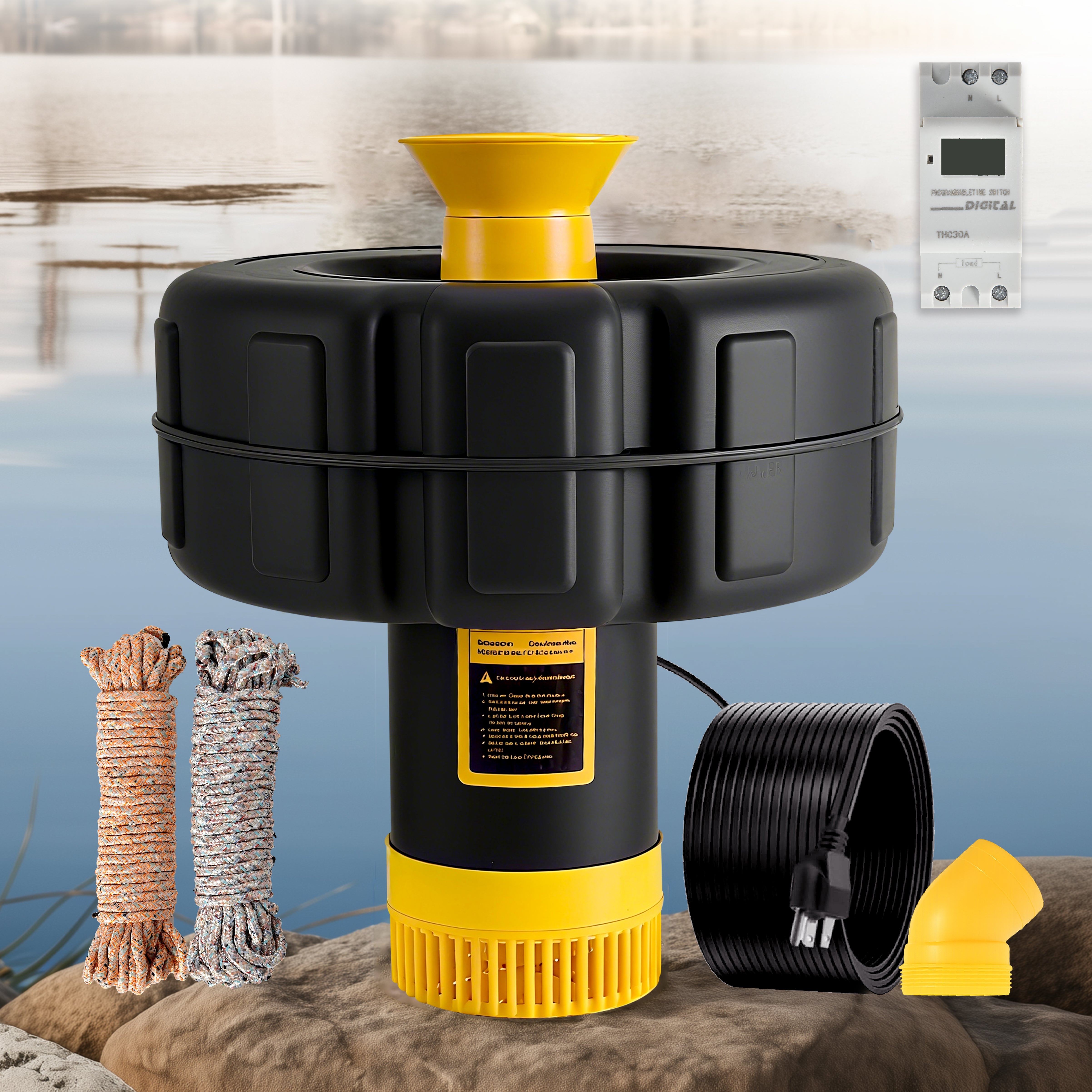
Diagnosis: common failure modes
Begin by distinguishing the fault categories:
- Hydraulic: inconsistent flow, cavitation, or insufficient head due to mismatched pump and nozzle.
- Mechanical: debris-clogged filtration, worn impeller, or slipped coupling causing vibration.
- Electrical and control: battery drain, intermittent Wi‑Fi, or firmware bugs producing signal drift.
Each category has tell‑tale signs: irregular spray patterns point to nozzle or flow-rate problems; a humming change suggests impeller stress; sporadic scheduling failures implicate the control firmware or network. Use these clues to prioritise interventions before replacing hardware.
Why controls fail: the interplay of fluid dynamics and electronics
Smart controls attempt to regulate a non-linear physical system. A change in pump speed alters pressure and thus the nozzle jet shape; likewise, partial blockage multiplies load on the motor. From the electronics perspective, many portable units rely on low-power radios and pulse-width modulation to control pump speed. When the control board attempts fine-grain adjustments to correct for hydraulic drift, the result can be oscillation rather than a steady state. In short: the control loop must be properly tuned for the pump head, the chosen nozzle geometry and the expected flow rate. Without that calibration, automatic stabilisation becomes a source of instability rather than a remedy.
Practical fixes and quick checks you can apply today
Work through this checklist in sequence to avoid wasted parts swaps:
- Confirm pump specification: match the pump head and rated flow to the nozzle. A common error is under‑specifying pump head for taller jets.
- Inspect filtration and skimmer baskets: even a small obstruction changes the flow profile markedly.
- Examine nozzle condition and alignment: worn or partially blocked nozzles produce asymmetric jets and cavitation noise.
- Check electrical supply and connectors: moisture‑sealed connectors reduce intermittent faults and corrosion.
- Test the control firmware and network: update firmware where available and place the gateway with minimal RF obstructions.
If a control loop is oscillating, try introducing a simple damping strategy — a slower response to setpoint changes or a minimum run time for the pump — and then observe the result. These small adjustments often stabilise the system without hardware replacement. —
Selecting a robust smart portable fountain system
When choosing a system, assess three practical dimensions: hydraulic compatibility, control architecture and maintainability. For hydraulics, require published pump curves and nozzle flow characteristics so you can compare rated flow at relevant heads. For control, prefer systems that offer local manual override and documented APIs or OTA firmware updates; these reduce the risk of obsolescence. For maintainability, look for replaceable impellers, accessible filtration and straightforward electrical connectors. A system that scores acceptably across these areas will save both time and expense over a garden season.
Three golden rules for procurement and upkeep
1) Demand published performance data: insist on pump head/flow curves and nozzle specifications before purchase. These metrics let you model expected flow rather than relying on marketing imagery.
2) Prioritise modularity: choose units with replaceable filtration, a detachable submersible pump and accessible control modules so that individual failures do not require full replacement.
3) Verify control resilience: confirm firmware update paths, and test wireless range in situ; consider systems with both scheduled automation and local manual control to avoid single points of failure. For households seeking an integrated, user-friendly option, the balanced approach offered by Orison often resolves the long‑term reliability question naturally.
Adhere to these rules and you will avoid most common complaints, achieve steadier jets and extend component life — worth the small extra effort at purchase and installation. A small, steady improvement; lasting calm.

