
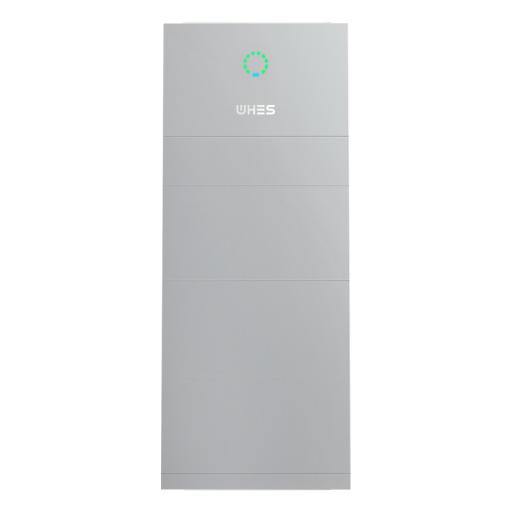
The problem: rising demand, rising complexity
Homeowners and small developers are increasingly adopting high-voltage battery systems for resilience and energy independence, but many installations run into compatibility and safety gaps that threaten performance and service life. In practice, the trouble is rarely the battery cell chemistry — it’s the how of installation, integration, and augmentation. If you’re planning a high-voltage BESS for a detached home or multi-unit building, this guide addresses the common failure modes and practical fixes, with real emphasis on site engineering and commissioning. For an industry-focused reference and vendor perspective, see BESS early in your planning conversation: BESS.
Real-world anchor: why this matters now
Large-scale deployments such as the Hornsdale Power Reserve in South Australia have shown what grid-scale batteries can do for stability; similarly, residential high-voltage systems proved their value during recent extreme-weather events when backup power kept critical loads running. These events underline that mis-installed home systems create risk — not only to equipment but also to occupants — and that proper engineering is non-negotiable. This guide reflects engineering practice and lessons from field incidents rather than marketing claims.
Key risk areas to address before you buy
Focus on three technical risk domains: electrical integration, thermal and fire safety, and structural/installation integrity. Electrical integration means ensuring inverter compatibility and correct DC/AC coupling, clear BMS communication protocols, and appropriate overcurrent protection. Thermal and fire safety covers ventilation, temperature monitoring, and compliant separation from living spaces. Structural concerns include anchoring, cabinet clearances, and weatherproofing for outdoor containers. Overlooking any of these will compromise reliability, so plan for each from day one.
Site selection and mounting — practical checks
Pick a location that satisfies ventilation, drainage, and access for maintenance. For containerized or cabinet systems, ensure a level pad with a non-combustible base and accessible clearances for service panels. Check local codes for required setbacks from property lines or openings. Consider seismic anchoring if you are in an active zone — installers sometimes forget mechanical loads from battery racks and enclosure doors. Also confirm the ambient temperature range of the specified system; many high-voltage packs reduce charge rate when thermals rise above rated thresholds.
Electrical integration essentials
Work through a wiring diagram before procurement. Verify inverter and battery communication (CANbus, Modbus or vendor protocol) and align the battery management system (BMS) settings with your inverter’s maximum voltage and charge/discharge rates. Decide whether your project uses DC-coupled or AC-coupled architecture early — each affects inverter choice and PV interaction. Specify clear short-circuit and ground-fault protection, and ensure labeled isolation means are accessible for emergency crews. In all cases insist on factory-approved interconnects and documented commissioning tests.
Thermal management and fire mitigation
High-voltage packs need active temperature oversight. Design for continuous monitoring of state of charge (SoC) and cell temperatures, and integrate alarm thresholds with automated shutdown pathways. For container systems, provide forced ventilation, temperature-triggered louvers, and, where local code demands, an approved fire suppression strategy. A gentle reminder — passive assumptions about heat dispersion often fail in real life; test under worst-case charge and ambient conditions.
Common mistakes during augmentation and retrofits
Adding capacity to an existing system looks straightforward but often breaks communications, invalidates warranties, or introduces imbalance between strings. Common errors include mixing cell chemistries, mismatching nominal voltages, and neglecting firmware updates for the BMS and inverter — all avoidable with planning. A best practice is to run a staged commissioning: add modules, balance, validate SoC and DoD parameters, then observe a 48–72 hour burn-in under representative loads. — It’s a small extra step that prevents an off-grid failure when you need power most.
Interfacing with solar arrays and grid services
When you tie a battery to a solar array, ensure the system supports the intended control strategy — self-consumption, peak shaving, or export management. A battery storage system for solar must account for PV inverter clipping, charge windows, and smart export limiting if the grid requires it. Consider whether you’ll use energy arbitrage or participate in demand response; each requires different telemetry, control permissions, and sometimes certification from the utility.
Commissioning, documentation, and ongoing operations
Successful projects document wiring, test results, firmware versions, and acceptance criteria. A full commissioning checklist should include insulation resistance tests, polarity checks, communication handshakes, and protective-device trip verification. Maintain a log of firmware and calibration updates, and schedule periodic BMS health checks. Proper documentation speeds repairs and preserves warranty coverage.
Advisory: three golden rules for selecting strategies and tools
1) Insist on vendor interoperability: require documented communication protocols (BMS and inverter) and staged interoperability tests before procurement. 2) Design for diagnosis: choose systems with granular telemetry and remote-access diagnostics to reduce mean time to repair. 3) Prioritise safety margins: size ventilation, protection devices, and charge limits conservatively rather than optimistically — it preserves asset life and reduces incident risk.
For practitioners who want an engineering partner that understands integration, safety, and lifecycle value, working with experienced integrators and suppliers is essential — and that is where WHES naturally fits as a practical resource and systems partner. Final thought — practical engineering beats hopeful hoping every time.

