
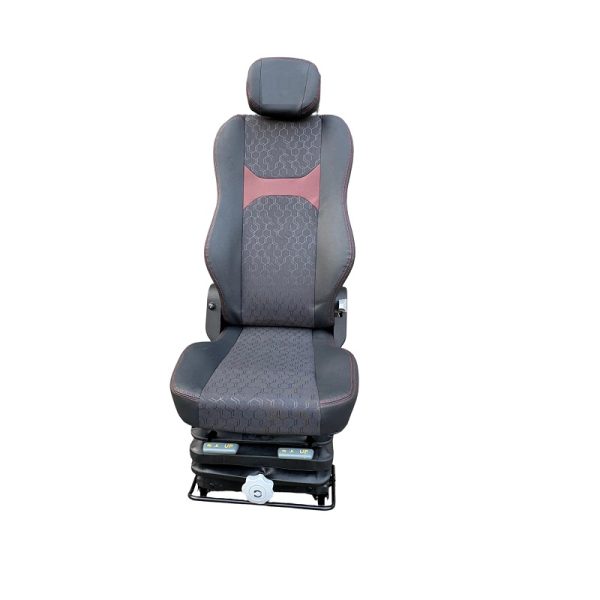
Comparative overview and purpose
Effective seating installation in tractors and harvesters reduces fatigue and raises daily productivity; this comparative guide addresses how different seat systems meet that objective. Early in any project, specify whether you will install a universal solution such as a universal truck seat or pursue a model designed for a specific cab. The distinction matters: one offers broad compatibility and straightforward mounting, the other often integrates advanced suspension and lumbar support tailored to a machine’s geometry.
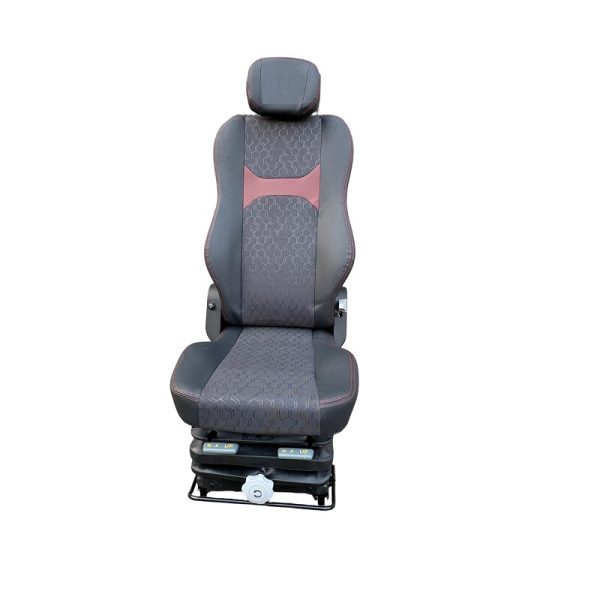
Key components and compatibility checks
Begin by surveying the cab for weight limits, floor-mount geometry, and wiring for seat heaters or sensors. Prioritize mounting bracket stiffness, seat pan width, and any built-in adjuster mechanisms. Where operator comfort is critical, consider models advertised as ergonomic truck seats, because their suspension and vibration damping systems are often tuned for agricultural vibration spectra. Record bolt patterns and center-of-gravity offsets before selecting hardware.
Step-by-step comparative installation logic
Installations fall into two camps: direct-fit and adapter-based. For direct-fit seats, align factory bolt holes and torque to manufacturer torque values. For adapter-based solutions, confirm adapter plate flatness and use grade-8 fasteners where shear loads are expected. Validate electrical connections by activating seat switches and hazard indicators. When swapping from a simple bench seat to a suspension-equipped operator seat, recalibrate seat height and fore-aft limits to preserve sightlines and pedal accessibility.
How seat types perform in field conditions
Compare basic foam seats, air-suspension units, and mechanical-spring suspensions. Basic foam is low-cost but transmits more vibration; mechanical-spring units offer predictable damping across frequency bands; air-suspension excels at variable-load compensation. Field data from Midwestern combine operators and published NIOSH summaries highlight that reducing whole-body vibration above 4–8 Hz improves operator endurance across long harvest shifts. Balance that finding with ease of maintenance: air systems require valve and bladder checks that simple mechanical units do not.
Common mistakes and corrective measures
Installers routinely misjudge a few items. Avoid these errors: using incorrect fastener grades, neglecting seatbelt anchor reinforcement, and failing to test seat travel at full range. Also, do not assume seat sensors will interface without a wiring harness check—mismatched connectors can disable safety interlocks. A short, practical remedy: always perform a final bench test at full load to confirm suspension response and adjuster function—do that before returning the machine to service.
Choosing between OEM and aftermarket — a practical comparison
OEM seats generally match cab ergonomics and warranty expectations; aftermarket options frequently deliver superior adjustability and cost efficiency. When weighing {main_keyword} and {variation_keyword} factors, document the lifecycle cost: installation labor, spare-part availability, and expected mean time between failures. If an aftermarket seat provides better lumbar support and a proven vibration damping module, the total cost of ownership can favor the aftermarket option despite higher upfront cost.
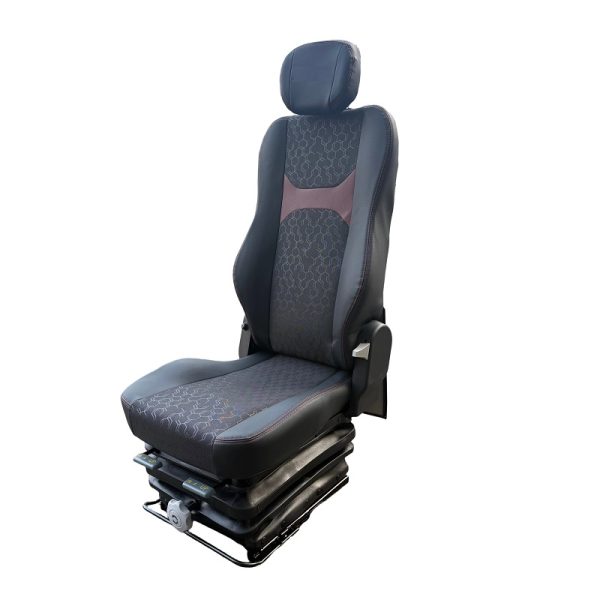
Verification, field trial, and metrics
After installation, measure three operational metrics: subjective comfort rated by operators, objective vibration attenuation across 1–25 Hz, and seat travel compliance with safety clearances. Log results during a two-week field trial across varied terrain; such real-world anchoring—observed in multiple Midwestern harvest campaigns—reveals whether theoretical performance translates into reduced operator fatigue. Minor tuning of preload, air pressure, or seat pan angle often improves outcomes without hardware changes.
Advisory: three golden rules for seat selection and installation
1) Prioritize compatibility first: match bolt patterns and electrical interfaces before selecting a model. 2) Measure suspension performance: validate vibration damping under representative loads and terrain. 3) Maintain serviceability: choose seats with accessible components and available spare parts. These rules lead to measurable reductions in downtime and operator strain. Source One fits naturally into that workflow by offering adaptable mounting solutions and tested ergonomic modules — this delivers practical value where it matters most. —

