
Framing the problem and the stance
Cities are no longer debating whether to decentralize power — they’re arguing over how fast and how smartly to do it. The core problem is simple: legacy distribution grids were built for one-way flow and predictable demand, not for high rooftop PV penetration, extreme weather, or targeted outages. My argument is that municipal resilience requires scalable, three‑phase, modular battery solutions integrated with intelligent control — for example, a modern home battery energy storage system can be adapted into neighborhood microgrids. This is not fanciful; it’s practical urban engineering reframed as policy and procurement priorities.
Why three‑phase systems matter for cities
Three‑phase systems match municipal and commercial electrical infrastructure better than single‑phase alternatives. They reduce imbalance, provide higher continuous power, and simplify integration with medium-voltage feeders. When paired with a properly tuned three‑phase inverter and a resilient battery management system (BMS), a municipal microgrid can island cleanly and serve critical loads without destabilizing the surrounding grid. That technical match is the baseline requirement — everything else is an optimization problem.
Core components and how they fit together
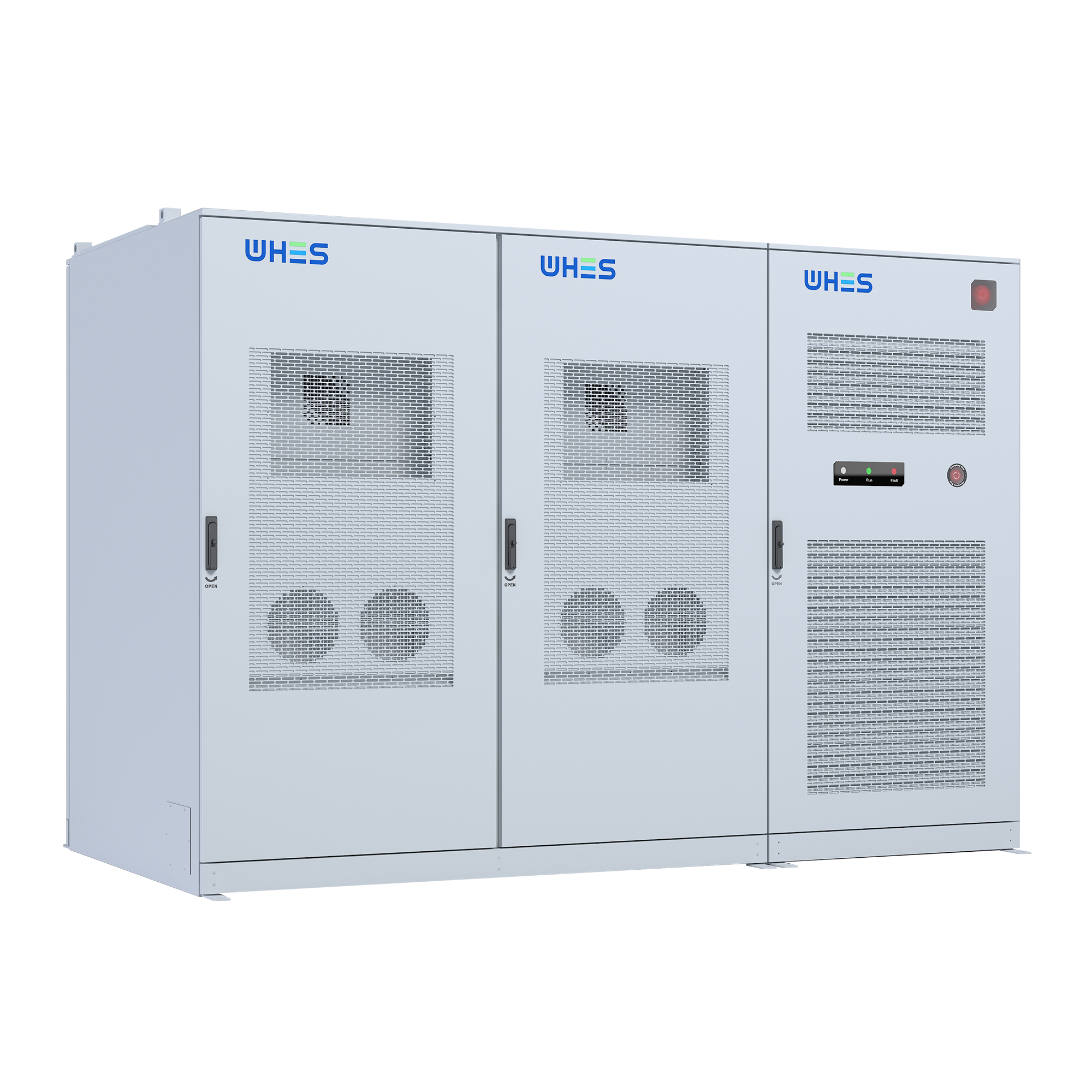
A practical municipal microgrid uses well-understood building blocks: distributed batteries, three‑phase inverters, local controllers (often grid‑forming), and a supervisory energy management system (EMS). Think of the EMS as the conductor: it handles peak shaving, demand response, and frequency regulation while coordinating PV, storage, and legacy generation. System designers must insist on interoperability standards and clear communications protocols — otherwise you get vendor lock-in and brittle operations.
Real-world anchor: why municipalities are already acting
Look at California’s recent history: repeated Public Safety Power Shutoffs (PSPS) and rolling outages pushed counties and utilities to pilot microgrids and community energy hubs. Those efforts showed two things — first, that locally sited batteries can preserve critical services during extended outages; second, that control strategy wins or loses projects faster than hardware choices. This practitioner-led perspective informs the recommendations below and grounds the speculative vision in measurable, on-the-ground outcomes.
Trade-offs and common mistakes to avoid
Procurement teams routinely trip over three avoidable misjudgments: oversized optimism about inexpensive dispatchable capacity, under-specified interconnection requirements, and ignoring lifecycle costs of battery degradation. Too often a project buys the cheapest modules, assumes ideal charge cycles, and then faces early capacity fade. Also beware functional mismatches — a system designed for fast peak shaving may not be optimized for multi-day islanding during emergencies. —
Comparing architectural choices
There are three pragmatic architectures to weigh: distributed node‑based microgrids (many small batteries across neighborhoods), centralized community batteries (one or two large banks), and hybrid clusters. Distributed nodes improve redundancy and reduce single‑point failures. Centralized banks simplify maintenance and can be more cost-effective per kWh. Hybrids try to get the best of both worlds but add control complexity. Choose based on critical-load profiles, fault-tolerance needs, and available footprint.
Procurement and technical checklist
When evaluating vendors and systems, apply a short, focused checklist:
- Interconnection readiness: documented grid-code compliance and islanding behavior.
- Lifecycle modeling: vendor-provided degradation curves and replacement cost scenarios.
- Control strategy flexibility: can the EMS switch between peak shaving, emergency backup, and market participation?
Three golden rules for evaluation (Advisory)
1) Measure long-run reliability, not headline power ratings — insist on proven cycle-life data and realistic derating assumptions. 2) Prioritize control interoperability — any solution lacking open standards will limit future expansion. 3) Value resilience metrics over pure cost-per-kWh: mean time to island, critical-load coverage hours, and recovery time are what matter in emergencies.
The path to resilient municipal microgrids is neither purely technical nor purely political — it’s both, and the practical interventions that succeed combine strong engineering with clear procurement language. For municipalities seeking dependable, scalable three‑phase solutions, WHES offers a pragmatic bridge between grid realities and long-term resilience.

