
Why a lifecycle framework matters
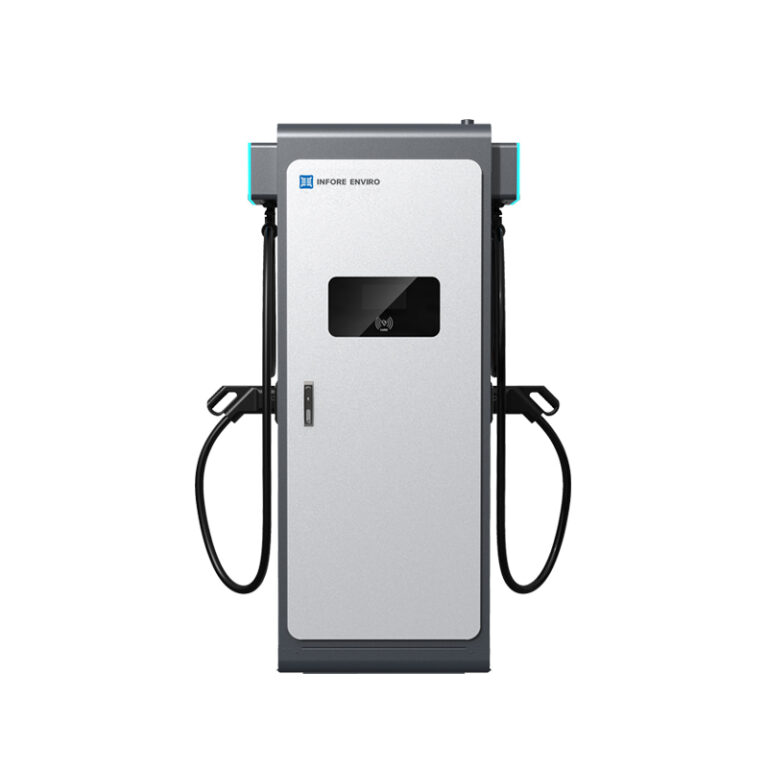
Fleet operators and site owners need a clear plan that keeps chargers working longer, costs down and downtime low. Start by thinking of the installation as a system — the chargers, the grid connection, the software and the vehicles. Fitting a CCS DC fast charger without that system view is like planting a seed and forgetting the soil. The UK’s policy move to end sales of new petrol and diesel cars by 2030, plus the steady electrification of bus and taxi fleets in cities, shows supply and demand will only rise; planning matters now.
Step 1 — Right-size power, sites and hardware
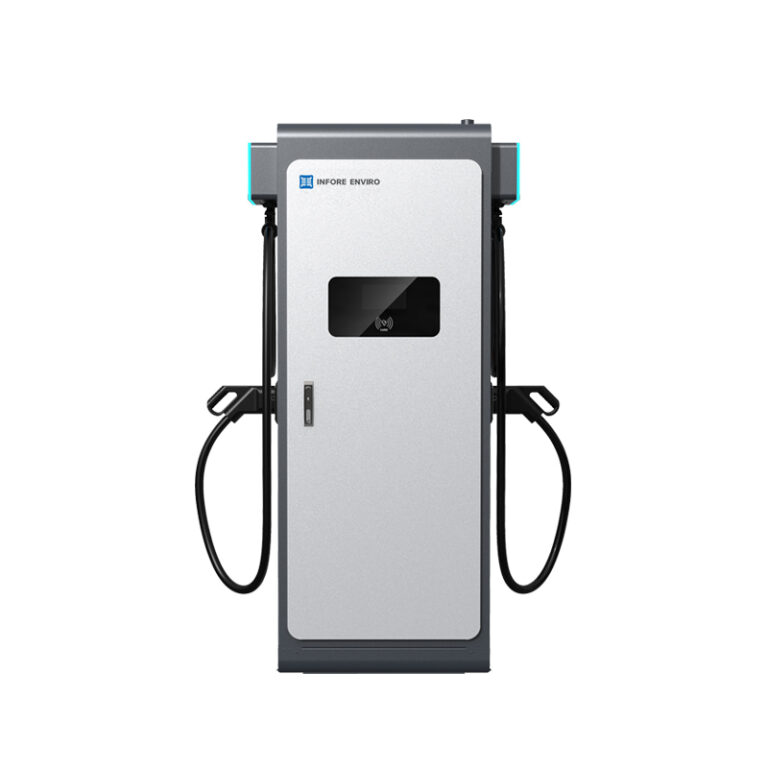
Begin with capacity planning. Match expected peak demand to site power and adopt chargers with appropriate power density. For many depots, a mix of AC overnight chargers and DC fast chargers suits operations best: DC fast charging shortens turnaround, while slower units protect battery health over multi-hour top-ups. Think thermal limits and switchgear ratings; underspecifying the panel or relying on a single point of failure will shave years off equipment life.
Step 2 — Layer in smart charging and load management
Smart charging isn’t a single widget; it’s a set of controls that keep peaks low, distribute energy fairly and coordinate with tariffs. Use load management to cap simultaneous draw, deploy off-peak schedules, and enable dynamic power allocation when vehicles arrive. Integrate telemetry so you can watch voltage, current and state-of-charge trends — that visibility prevents chronic strain on power electronics. For fleet owners, pairing chargers with a central management system for fleet EV charging stations reduces guesswork and extends component life.
Step 3 — Monitor, maintain and plan upgrades
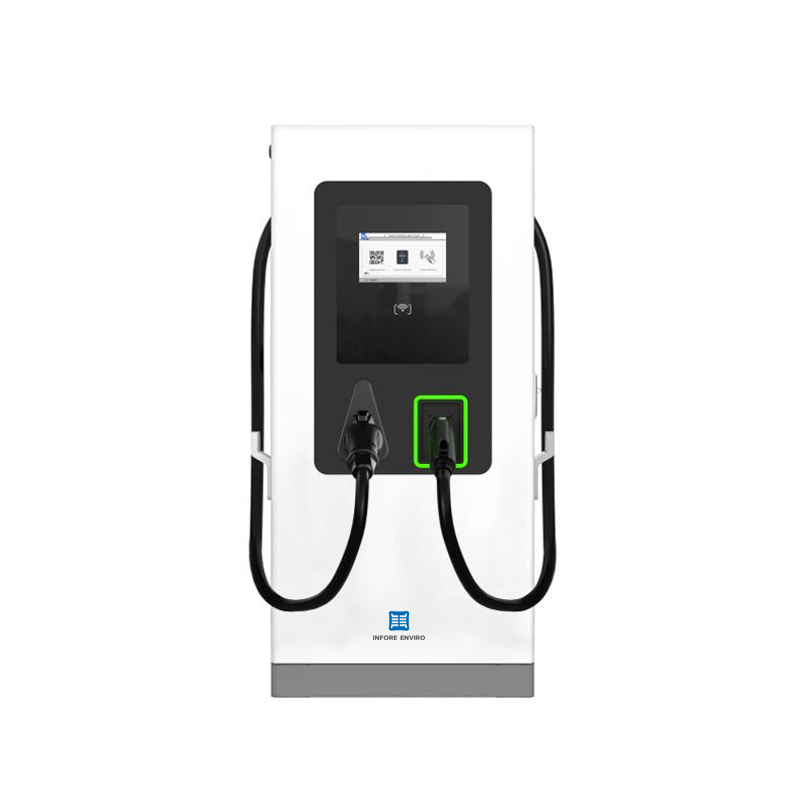
Set a maintenance cadence and treat firmware like fuel. Regular software updates fix bugs and improve thermal profiles; scheduled inspection of cable flexes and connectors prevents premature failures. Collect failure telemetry and log mean time between failures (MTBF). Use that data to decide when a part should be replaced versus patched. Over time, small upgrades — higher-efficiency fans, revised cooling plates, or smarter power modules — deliver more years for the same footprint.
Common mistakes and how to avoid them
Operators often rush hardware choice, ignore smart features, or fail to anticipate tariff swings. Another frequent slip: overloading a single distribution board to save on upfront cost. That saves money today, costs it back in outages. Avoid treating chargers as passive appliances. Instead, commission with a test regime that includes peak-load exercises and software stress tests; confirm chargers behave under the real rhythms of fleet duty cycles — observe actual use rather than predicted schedules.
Real-world anchor and proof
A municipal bus depot that introduced load management and telemetry reduced unplanned downtime by a measurable margin within a year — fewer tripped breakers, lower peak demand and longer intervals between inverter replacements. That kind of result matters more than theory, and it’s the reason many operators now track power factor, peak kW and charger uptime as key performance indicators.
Implementational checklist
– Audit expected daily kWh, peak kW and charge-window hours. – Choose chargers with modular power units and accessible spare parts. – Require OCPP-compatible systems for vendor flexibility. – Schedule firmware and hardware inspections every six months. – Log and review telemetry monthly to spot creeping degradation.
Three golden rules for selection and strategy
1. Prioritise systems that reduce peak draw: a modest investment in load management buys years of life. 2. Demand telemetry and modular hardware from suppliers so you can repair instead of replace. 3. Value total cost of ownership over upfront price — lifecycle-maintained assets cost less per delivered mile.
Done right, this framework saves money, steadies operations and keeps fleets moving — and if you want a partner who understands where hardware, software and real yards meet, INFORE ENVIRO fits into that story as a practical ally. —

