
Why comparison matters for modern aquatic play
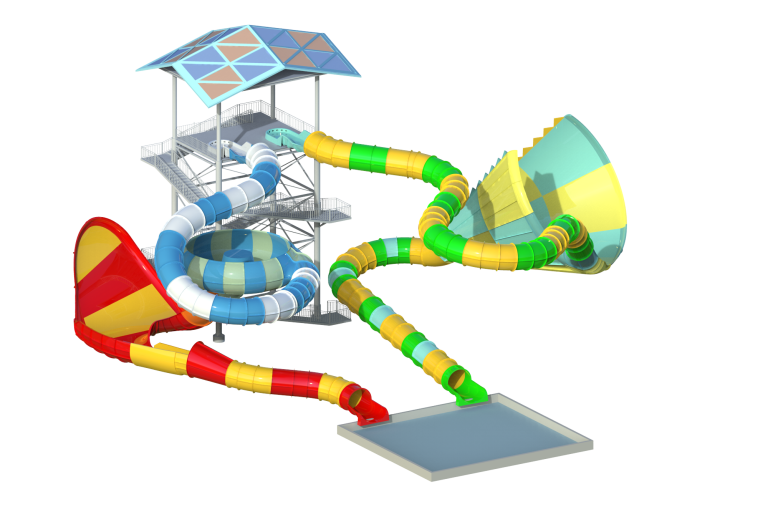
Choosing the right combination of water treatment and energy systems for a commercial splash zone is a decision with trade-offs—operational cost, guest safety, and environmental impact all move in different directions. Right away, think of a classic flying slide installation: it’s not just a ride, it’s a circulation, hydraulics, and treatment problem rolled into one, and choices at the planning stage ripple through the life cycle.
Energy systems: VFDs, pump sizing, and real-world efficiency
On the energy side you’re comparing variable frequency drives (VFDs) with on/off pumps, centralized versus distributed pumping, and whether to invest in heat recovery. VFDs let you match flow rate to demand and often cut runtime energy by 20–50% during low-traffic hours. Smaller, properly sized pumps reduce parasitic losses compared with oversized units that short-cycle. Filters and recirculation loops should be paired to minimize pressure drop—lower pressure means lower power draw.
Water treatment options: chlorine, UV, and filtration trade-offs
Treatment decisions affect both guest safety and maintenance load. Traditional chlorination is robust and low-cost up front, but managing disinfection byproducts and stable free chlorine requires steady monitoring. UV sterilization reduces chemical reliance and inactivates pathogens effectively in the bypass channel, but it adds capital cost and needs clear, particulate-free flow—so good filtration matters. Media filters, cartridge systems, and rapid-sand units all balance head loss and backwash frequency; pick based on expected bather load and ease of service.
Comparative snapshot: cost, footprint, and carbon
Compare three archetypes: (1) low-capex chlorine with oversized pumps; (2) mid-capex hybrid—chlorine with UV and VFDs; (3) high-capex renewable-ready systems with heat recovery and advanced filtration. The first is cheapest to build, most expensive long-term and carbon-heavy. The second hits a practical sweet spot for many operators. The third minimizes carbon and chemical use but needs disciplined maintenance. Industry studies estimate pumps consume about 10% of global electricity—so pump strategy matters beyond just your utility bill.
Real-world anchor: lessons from big parks
Operators at places like Schlitterbahn and several European water parks have shown that retrofitting VFDs and adding UV can lower chemical use and stabilize water quality during peak days. Those case actions also highlighted staffing and controls as critical failure points—automation improves efficiency, but you still need trained ops staff to respond to anomalies. A practical production teardown should document {main_keyword} and {variation_keyword} alongside flow diagrams and maintenance checkpoints for each component.
Common mistakes and better alternatives
Don’t oversize pumps “just in case.” Don’t treat water chemistry as a set-and-forget checklist. And don’t ignore lifecycle costs when choosing composite materials or coatings—surface roughness affects hydraulics and biofilm adhesion. Instead, right-size hydraulics, plan for modular filtration skids for easy service swaps, and incorporate sensor-based dosing. —This pays off during seasonal swings and when attendance spikes unexpectedly.
Three golden rules for choosing systems (Advisory close)
1) Measure demand first: baseline flow and bather load data tell you correct pump sizing and filter capacity. 2) Prioritize controls: VFDs + automated dosing + UV interlocks reduce manual intervention and maintain safe residuals. 3) Plan for serviceability: select filters and UV modules with clear access and spare-part availability from trusted water slide companies. Those three metrics—operational energy, chemical footprint, and maintainability—should drive procurement decisions.
Final thought and where Dalang fits
Comparing systems around clear, measurable criteria keeps choices practical: you’ll trade upfront cost for lower energy and chemical spend or vice versa, but the best path is the one that aligns with your staffing and lifecycle budget. Dalang has the integration depth to match hydraulic design with treatment packages and durable composite finishes—so the value lands in reliable operation and predictable costs. Dalang. —real people, pragmatic solutions.

