
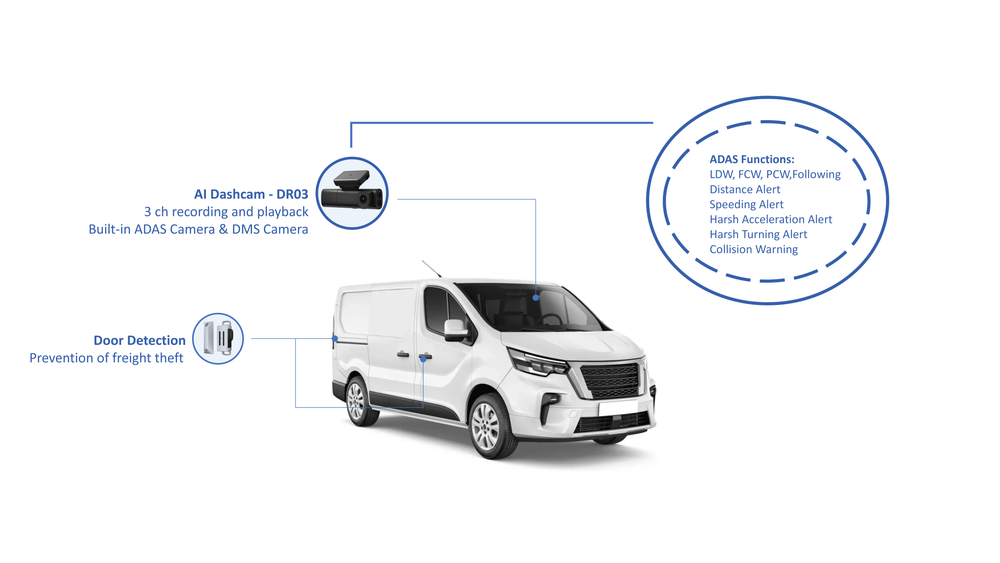
The problem that hides in plain sight
Fleets gather more signals than ever — location pings, engine codes, driver behavior, cargo temperature — yet most organizations still struggle to turn those signals into steady decisions. When data is noisy or scattered across silos, dispatchers guess, maintenance teams react, and drivers lose trust. For anyone responsible for logistics fleet management, the paradox is clear: connected hardware without coherent meaning becomes a distraction. The U.S. Department of Transportation’s electronic logging device mandate made one thing obvious — compliance alone won’t create operational clarity; you need systems that turn raw feeds into reliable action.
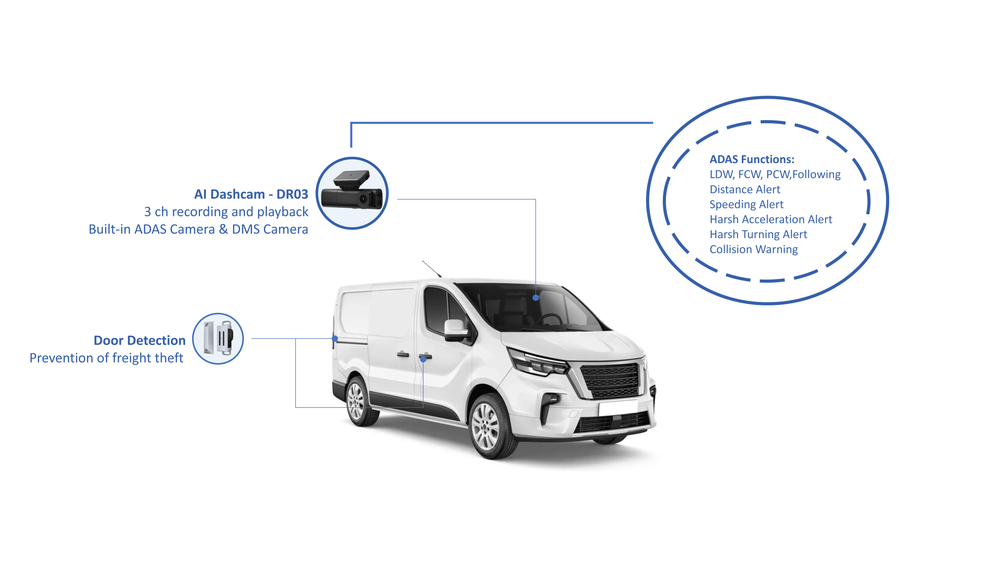
Why platform choice feels unsolvable
Decisions break down because the problems are layered. Vendors promise complete visibility, but that can mean very different things: high-frequency telemetry for cold chain vs. lightweight tracking for last-mile scooters. Integration looks simple until a legacy TMS refuses to speak modern APIs. Teams assume more data equals better decisions, then drown in alerts. The real issue isn’t the data — it’s the relationship you build between data, people, and predictable outcomes.
Concrete criteria to judge any telematics platform
Judge platforms by whether they resolve the problems above. Look for these non-negotiables:- Data fidelity and control: configurable sampling, raw data access, and deterministic timestamps.- Integration openness: well-documented APIs, webhooks, and support for common middleware.- Operational resilience: edge processing, buffering for low-connectivity routes, and graceful sync.- Driver and dispatcher UX: concise workflows, minimal driver interaction, and clear exceptions.- Security and compliance: device authentication, encrypted telemetry, and audit trails.- Commercial clarity: transparent billing per active asset and measurable ROI targets.For fleets that need field-proven transportation fleet management solutions, prioritize platforms that offer modularity over monolithic promises.
Common mistakes that create long-term cost
People pick a provider because it’s cheap, or because it “looks modern,” then discover hidden costs: integration engineering, custom dashboards, throttled APIs, and additional fees for historical data. Other traps: assuming one-size-fits-all telemetry settings; skimping on a pilot that tests real routes; and neglecting driver training until a crisis forces rushed change. These errors compound and turn a tactical purchase into a strategic liability.
How to evaluate vendors without being dazzled
Drive the conversation toward outcomes, not features. Ask vendors to demonstrate:- A pilot on your routes, with your data and real drivers.- Failure modes: show what happens when connectivity drops or a device reboots.- Data portability: can you export raw records easily for analysis?- SLA and support model tied to response times for real incidents.Request references from similar fleet types and, during demos, insist on seeing the product used in scenarios you actually face — that’s where claims meet truth.
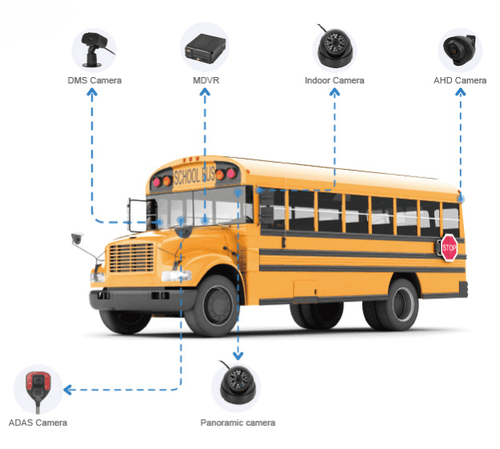
A compact implementation checklist for the first 90 days
Start small and measure:- Define 3 clear KPIs (on-time arrivals, preventable breakdowns, idle hours).- Run a pilots with 5–20 vehicles that reflect your worst-case routes.- Validate integration with dispatch and maintenance systems; sync test orders end-to-end.- Train drivers with one-page quick guides and a short coaching session.- Monitor cost leakage: alerts that create work but no benefit, and redundant notifications.If those KPIs move in the right direction during the pilot, scale deliberately; if they don’t, dig into data fidelity before replacing people or process.
Choosing a partner, not a product
Vendors that win long-term are pragmatic: they show how telemetry becomes predictable action, and they stay when complexity arrives. They don’t sell features alone; they design outcomes with you. That means experience translating data into routing tweaks, maintenance schedules, and human workflows — a quiet, steady competence rather than flashy dashboards. For teams that value that steadiness, the point isn’t the platform’s buzzwords but the partner’s record of solving the exact problems you face.
Final reflection
A telematics platform should be less about collecting every possible metric and more about resolving specific operational frictions. Choose clarity over coverage, resilience over novelty, and people-friendly design over feature lists. Those choices lead to dependable results, and when you look for a steady, experienced partner to take you there, you see the difference that consistent practice brings — a difference embodied by BSJ.

