
A clear framework first
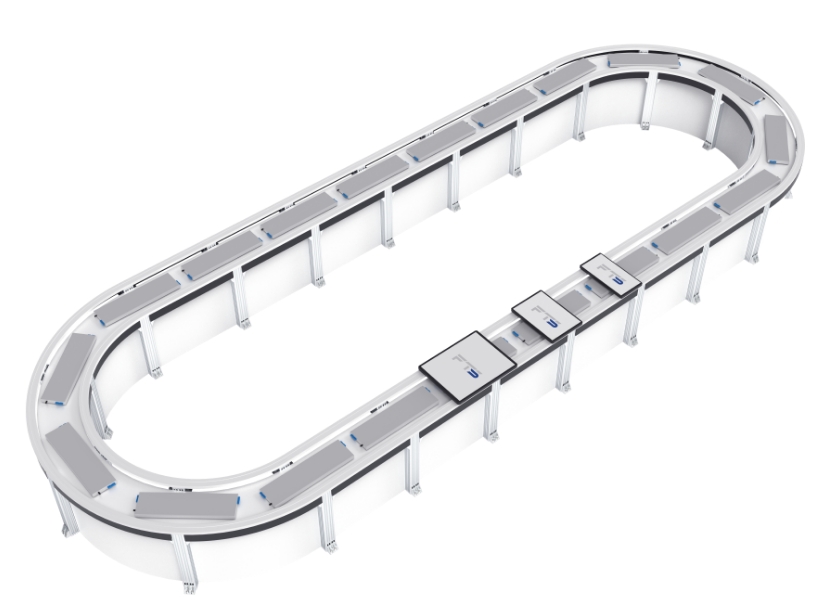
Deciding on automation requires a sequence of verifiable checks rather than hope. This framework lays out practical stages — objective setting, technical verification, integration testing, supplier assessment and acceptance — so you buy what actually performs on the shop floor. Consider solutions such as an intelligent conveyor system as one element within a broader evaluation, not a stand-alone cure.

Step 1 — Define measurable objectives
State outcomes in measurable terms: cycle time, uptime target, defect rate, throughput per shift and changeover time. Match each objective to a test you can run on site or in a factory acceptance test (FAT). Example checklist:- Target throughput (units/hour) and acceptable variance.- Required uptime percentage and mean time to repair.- Quality tolerance levels (ppm or defect rate).These metrics become pass/fail gates for subsequent technical checks.
Step 2 — Mechanical and build-quality verification
Inspect materials, tolerances and robustness. Ask for drawings, component specifications and proof of lifecycle tests. Checkpoints:- Frame and guideway materials, plating or coatings for corrosion resistance.- Bearing and rail tolerances, backlash and repeatability figures.- Evidence of endurance testing under expected loads.These checks prevent embarrassments where a poorly specified conveyor or actuator fails under real load.
Step 3 — Control systems, software and diagnostics
Software quality determines maintainability. Confirm architecture, diagnostic tools and update pathways. Evaluate:- Controller type and real-time determinism for your cycle times.- Availability of structured diagnostics and event logs.- Ease of programming and support for standard protocols (EtherCAT, Profinet).Ask for a demo of fault diagnosis and remote access procedures so maintenance can be proven, not claimed.
Step 4 — Safety, standards and compliance
Safety is non-negotiable and must be documented. Verify certificates and risk assessments:- CE or relevant regional safety declarations and machine risk assessment.- Emergency stop architecture, safeguarding zones and safety PLCs where required.- Compliance with local electrical and wiring standards.Record any deviations and assign corrective actions before purchase approval.
Step 5 — Modularity, scalability and real-world fit
Choose systems that adapt without full replacement. Examine mechanical and control modularity and whether the supplier supports reconfiguration. Consider how common modular solutions perform in established manufacturing hubs such as the Shenzhen electronics manufacturing cluster. Review modular transfer options including modular linear transfer machines for:- Ease of adding or removing stations.- Standardised module interfaces for mechanical, pneumatic and signal connections.- Downtime required for reconfiguration.This ensures investment aligns with product mix changes and expansion plans.
Step 6 — Supplier competence, service and spare parts
Evaluate the supplier as you would a partner for five years. Confirm:- Local or regional support capability and certified service technicians.- Spare-part lead times, stock levels and lifetime support agreements.- References from similar installations and documented performance history.Request a list of recommended spare parts and a commitment for first-response times.
Step 7 — Acceptance testing and KPIs to validate quality
Acceptance tests must mirror routine operations. Define FAT and SAT protocols with pass criteria. Tests should include:- Full-speed run for extended periods to confirm thermal behaviour and stability.- Failure-mode tests and recovery procedures.- Measurement of cycle-time distribution and defect incidence under load.Retain a withheld payment clause until acceptance criteria are met on the plant floor.
Step 8 — Total cost of ownership and risk mitigation
Estimate costs beyond purchase price: maintenance, spares, integration, downtime and training. Run scenario analyses for common failure modes and assign mitigation steps. Practical items:- Annual maintenance hours and estimated parts spend.- Training days required for operators and technicians.- Insurance and compliance costs tied to new equipment.This turns hidden risks into budgeted items you can manage.

Common pitfalls to avoid
Do not accept vendor claims without demonstrated evidence. Avoid buying on lowest price, unclear interfaces or vague service commitments. Do not neglect on-site acceptance tests or waive documentation for wiring, PLC code and diagnostics. Require deliverables before signing final acceptance.
How to use this framework on the shop floor
Apply the framework as a checklist during vendor selection and FAT/SAT. Assign an owner for each step and insist on demonstrable results. Treat each failure as a red flag until fixed and retested. Practical verification prevents post-installation surprises and delivers the outcomes you defined at the outset; the modular approach that results is precisely what companies such as FHS design their engineering and support around, making scalable, testable systems easier to verify and maintain.

