
Introduction — a shop morning, some numbers, one simple question
I still remember the first time I walked into a small metal shop and felt that sharp, tinny tang in my throat — the boss waved and said, “We’ll be fine,” and I wasn’t convinced. In that same shop, a single compact laser fume extractor cut visible smoke and particulate by what looked like three quarters during a week of simple tests (I scribbled the figures on the back of my hand). National studies often cite big drops in airborne particle counts when proper extraction is installed, and yet many makers shrug and carry on. So I ask: why do so many benches run on hope rather than a proper plan?
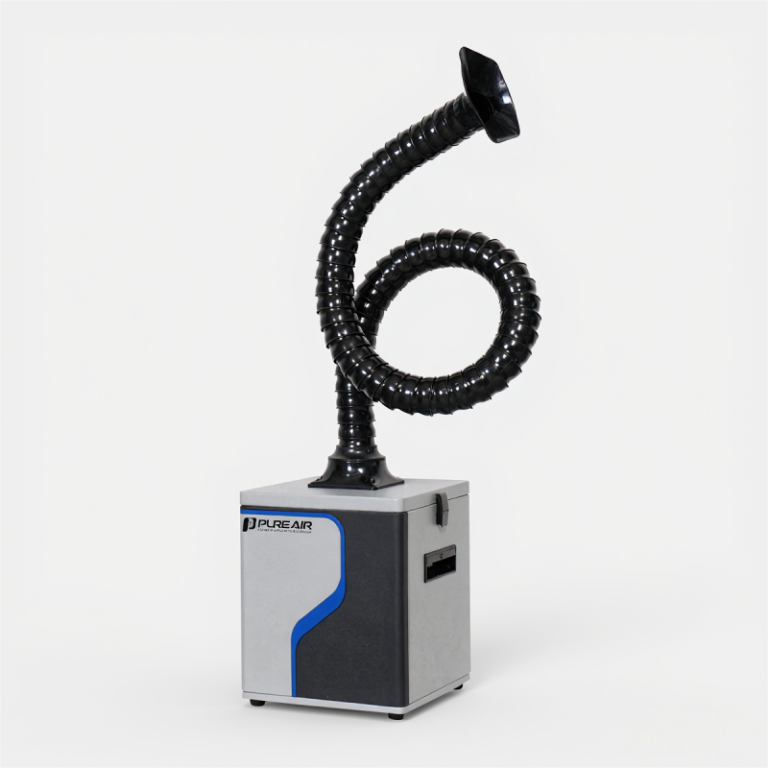
I’m writing from the standpoint of someone who’s spent time in workshops, listened to machinists grumble, and tried gear out on the floor — honest, hands-on learning, not a whitepaper. The next section pulls apart the usual fixes folks rely on and shows where they fall short — and yes, I’ll be blunt where it matters. Let’s move on and see what’s actually under the hood.
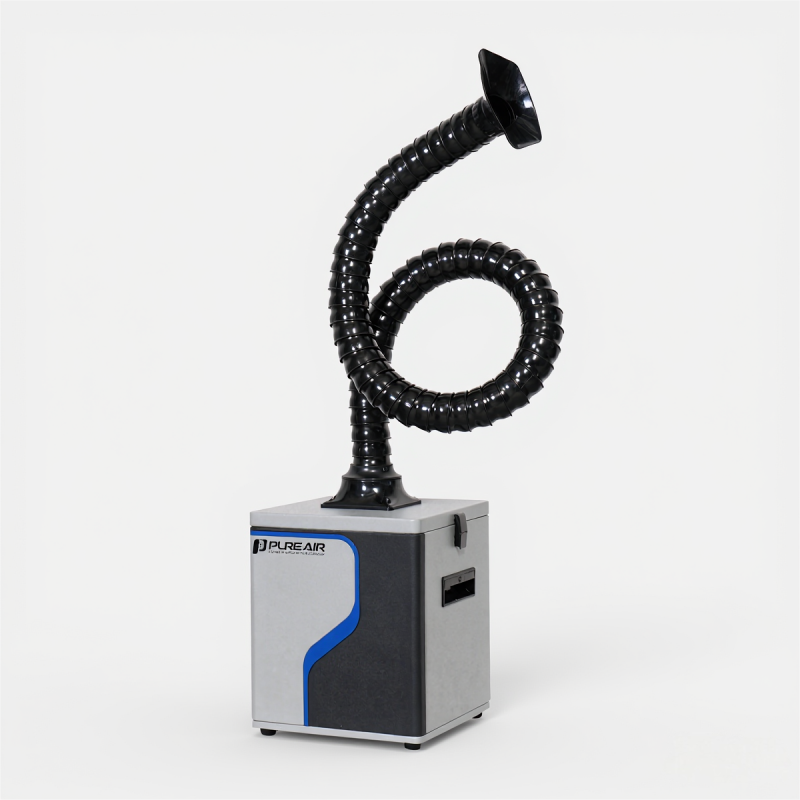
Where common fixes fail: a technical look at laser fume extraction systems and real pain points
When shops reach for quick fixes, they rarely install full laser fume extraction systems with the right design intent. I’ve seen window fans and open doors touted as “good enough” — but that’s misleading. Proper systems use staged filtration: pre-filters, HEPA filters, and sometimes activated carbon to capture gases; they work alongside measured ventilation rates and control electronics. Without these layers, particle counters still show harmful spikes after cutting or engraving. Look, it’s simpler than you think: filtering must match the source, not the toolbox.
Why do shops keep missing the mark?
Two main technical flaws keep cropping up. First, undersized fans and mismatched fan speed controllers give poor capture velocity at the nozzle — the contaminant never reaches the intake reliably. Second, filter campaigns are often neglected: HEPA and charcoal stages get overloaded or bypassed, and then efficiency collapses. Add to that weak ducting, poor hood placement, and you’ve got fugitive emissions where you least want them. I’ve measured systems where the theoretical CADR (clean air delivery rate) should have worked, but installation losses sank performance — frustrating, and fixable — funny how that works, right?
Looking ahead: a case example and what to watch for next
Consider a midsize sign maker who swapped a patchwork setup for a properly sized laser fume extraction systems unit with modular filters and a local capture arm. Within a month their rework from odor complaints dropped sharply, welders reported fewer headaches, and maintenance time fell because filters were easier to access — a simple case, but telling. For future builds, we’ll see more integration: sensors and edge computing nodes that report filter loading in real time, and smarter controllers that ramp fan speed only when needed. This saves energy and keeps capture reliable — and yes, it feels a bit like getting your shop back.
What’s next for shops and system buyers?
If you’re considering an upgrade, weigh three practical metrics: capture efficiency at the source, maintainability (how easy are filters to change?), and true operational cost — not just sticker price. I’ll be candid: cheap kits still have a place for hobbyists, but for a busy production floor you want measured performance and decent service access. We want fewer surprises, less sick leave, and safer air — small gains that mean a lot over time. For tools that meet those aims, I’ve found companies that combine practical design with responsive support — and one name that keeps coming up in my notes is PURE-AIR.

