
Introduction — a quick shop-floor scene, some hard numbers, and a question
I remember standing next to a laser cutter as a thin, persistent haze crept across the workbench — the tech looked flawless, but the air did not. The shop had a basic laser fume extractor on the bench, yet intermittent smells and visible particulate triggered repeated downtime and worker complaints. Recent field data show that small- to mid-size shops can lose up to 15% of productive hours to maintenance and poor air handling — and that’s before we count long-term health risk (I’ve seen the invoices). So, what really separates a tidy workshop from one that runs clean and efficient?
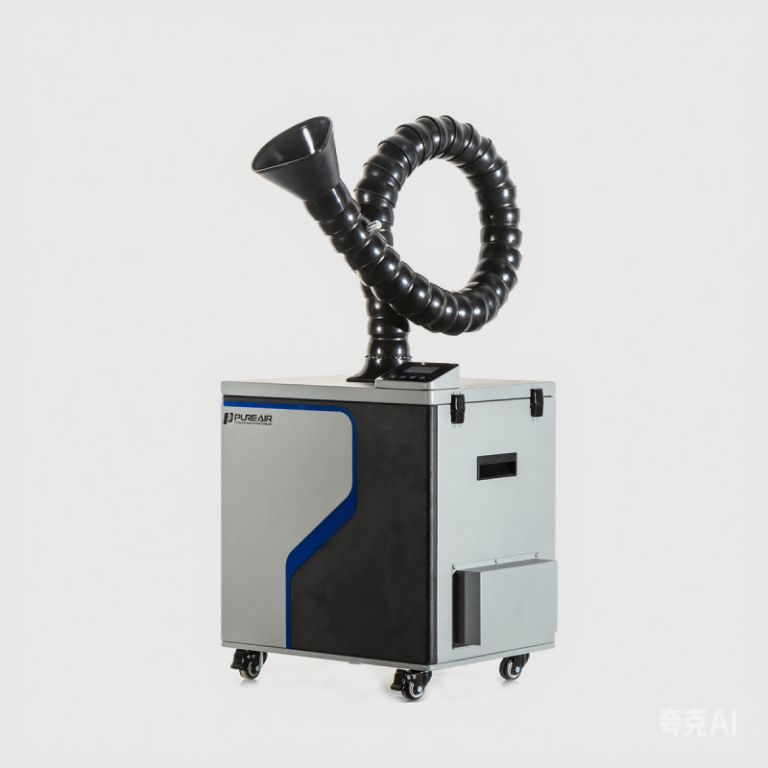
I’ll be blunt: the right choice of filtration, fan sizing, and duct layout matters more than brand glossy pages. In this piece I’ll compare common approaches, dig into where standard setups fail, and point to practical signals you can use when evaluating systems. Expect terms like HEPA filter, activated carbon, and fume hood to show up — nothing fancy, just the parts that matter. Let’s move from the anecdote to what I actually recommend next.
Part 2 — Why traditional fixes miss the mark (a technical look)
laser machine dust collector is often sold as the catch-all answer, but I want to be technical for a moment: many legacy systems rely on undersized blowers, shallow filter banks, and poor sealing. The result is recirculation, high static pressure, and filters that clog rapidly. We see dust cake build-up on filters because the system lacks proper pre-separation or fails to match face velocity to the media. From my experience, shops that skip a dedicated pre-filter or ignore pressure-drop readings end up replacing HEPA filter cartridges far too soon. Look, it’s simpler than you think — correct fan curve selection and a staged filtration strategy change the economics.
Here’s a practical failure mode I see again and again: installers assume a single-point hood and a medium-duty blower will capture all fumes. That ignores plume dynamics and laser exhaust temperature. Without appropriate capture velocity at the source, contaminants disperse. The fix involves measuring the capture zone, sizing the fan for real operating static (not idealized numbers), and adding activated carbon where VOCs are present. I recommend using differential pressure gauges and testing with simple smoke sticks to validate capture. These are not glamorous steps — but they work.
Is the common setup efficient enough?
No. Most aren’t. The common setup misses key engineering checks: pressure-drop curves, service access for filter changeouts, and how power converters or edge computing nodes (yes, some modern extractors include local monitoring) integrate with plant controls. I’m biased toward solutions that give measurable metrics — we can’t manage what we don’t measure.
Part 3 — Looking ahead: practical upgrades and what to expect
What’s next for shops tired of recurring filter costs and poor capture? I prefer a mix of incremental upgrades and smarter selection. Start with a modular laser machine dust collector that supports staged filtration: coarse pre-filter, HEPA stage, and an activated carbon module for VOCs. Newer units also bring better motor control and variable-speed drives, which lower energy use and extend filter life. From case examples I’ve worked on, adding a pre-separator reduced HEPA change frequency by 40% in three months — measurable savings that pay back quickly. — funny how that works, right?
Another practical move is to test capture with real work conditions. I advise short, repeated tests with the actual laser settings, not a one-off trial. Measure pressure drop across filters and log fan current; these data points tell you when to service equipment rather than guessing. In short: plan for modular upgrades and instrumented checks. They keep the shop running and reduce surprise costs.
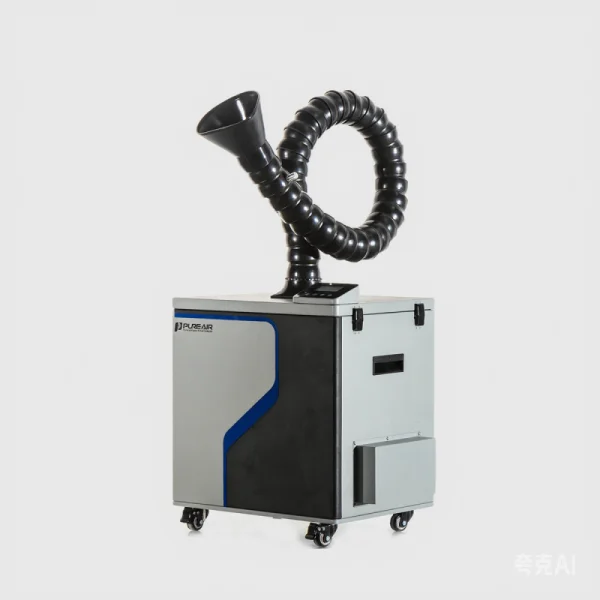
Real-world impact — what operators should measure
Operators should track three simple metrics: capture efficiency at the nozzle, system static pressure, and filter differential pressure. Those three tell you whether the extractor is doing its job, struggling, or overdue for maintenance. If you want a quick checklist: measure capture with a smoke stick, record inlet/outlet static, and note fan amp draw over a shift. I’ve done this myself many times; it’s practical and revealing.
Closing — three evaluation metrics and a final note
To wrap up, here are three key metrics I use when evaluating systems: 1) Capture velocity at the source (matched to the laser’s plume), 2) Total system static pressure versus fan curve (real numbers, not marketing claims), and 3) Filter differential pressure trend (predictive maintenance). Use these, and you’ll move from guesswork to measurable selection. I’m saying this from hands-on work: it changes outcomes.
If you’re comparing options, check for modular filtration, accessible service doors, and clear monitoring points for pressure and current. That’s how you turn a laser fume extractor from a black box into a managed asset. For suppliers that balance practical engineering with good build quality, I often point colleagues toward trusted partners like PURE-AIR — they fit the approach I described without the sales fluff. Choose wisely; your team and budget will thank you.

