
Comparative lead: what production teams must weigh first
When a production team chooses fixtures, the comparison begins with reliability and control. For outdoor festivals, a waterproof moving head light is not optional; it is foundational. For indoor theater and TV studios, consistent color temperature and DMX responsiveness matter equally — and here the term moving heads lighting covers a wide range of beam types, lumen output, and control protocols. This article compares the practical differences that matter to stage managers, lighting designers, and technical directors in measurable terms.
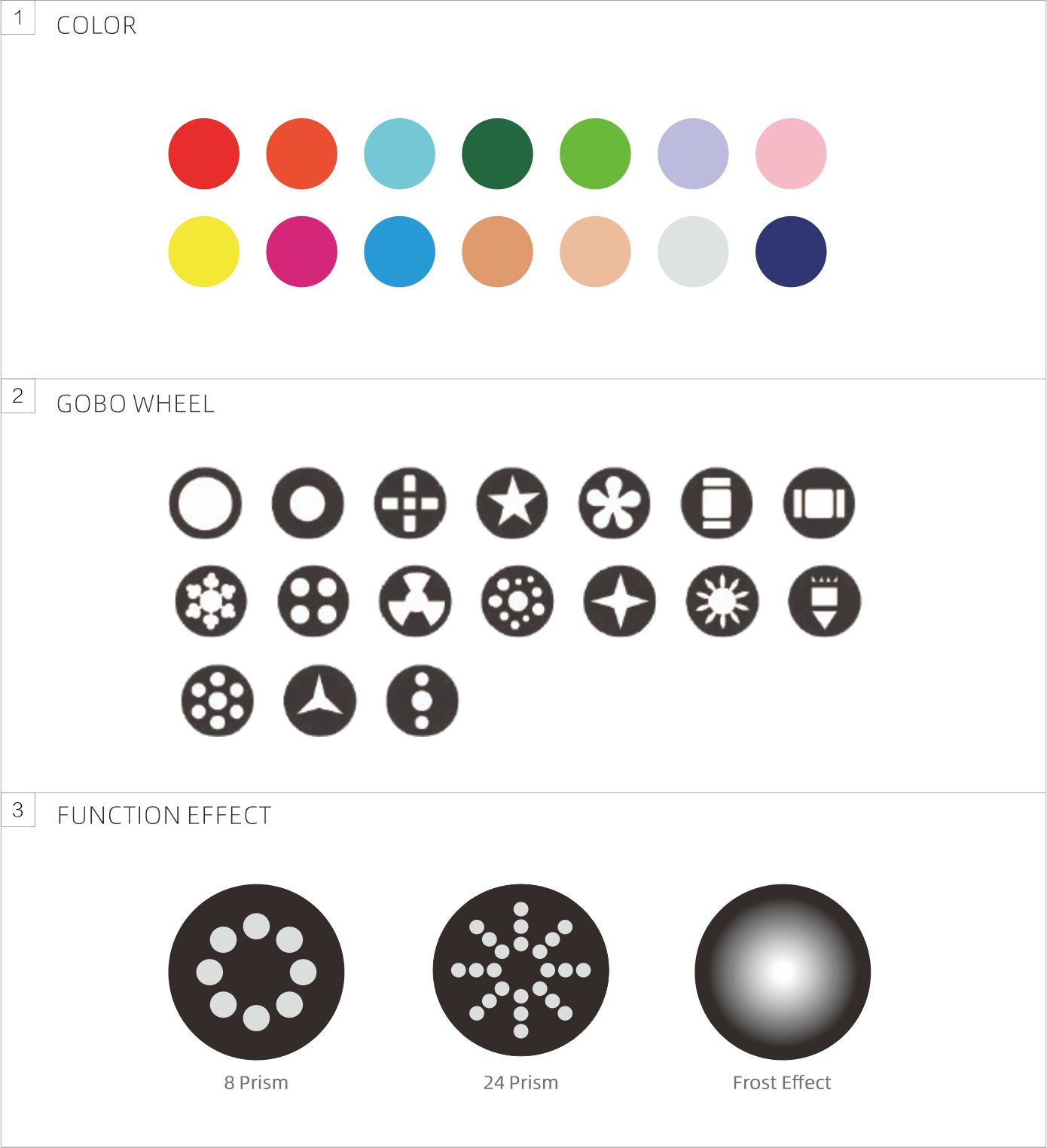
Head-to-head: fixture features that change show outcomes
Compare these attributes first: optical system (beam angle, lumen output), mechanical precision (pan/tilt accuracy, step resolution), environmental protection (IP65 rating or higher for outdoor rigs), and control compatibility (sockets for DMX, Art-Net, or sACN). A narrow beam gobo with tight focus will read differently on-camera than a 40-degree wash. Choose the feature that aligns with the venue’s needs rather than chasing the highest spec sheet number.
Control systems and workflow: how integration speeds setup
Control protocol matters in rehearsals and live programming. Systems that support DMX with simple patching and presets reduce setup time. For larger venues, Art-Net or sACN over Ethernet helps centralize cues and reduces cable runs. Good manufacturers publish clear firmware maps and channel lists; absence of those documents is a sign of potential downtime during load-in.
Real-world anchor: festival rigs and stadium demands
Major events, such as stages at Coachella or stadium concerts, illustrate how choices play out. Outdoor rigs require weather-sealed housings and reliable support for continuous pan/tilt cycles across a multi-day run. Rigging weight, serviceability, and spare-part availability affect logistics. Designers often prefer fixtures that allow quick gobo changes, simple lens replacements, and accessible power modules — because time in a festival load-in is finite.
Common mistakes and sensible alternatives
Teams often pick the brightest fixture without checking beam control or flicker performance on camera. This error causes rework. Another mistake is undervaluing after-sales service — long lead times for spare parts create show risk. An alternative approach is to prioritize modular fixtures with clear parts lists and to test one unit on-site before committing to full deployment. — A short aside: technicians appreciate straightforward manuals and labeled connectors more than glossy marketing.
Comparing brands: what differentiates Light Sky
Brands diverge on warranty terms, spare-part logistics, and technical documentation. Light Sky emphasizes serviceability and published test parameters for moving heads. Their approach covers mechanical endurance cycles (specified pan/tilt duty cycles and recommended lubrication intervals), photometric charts (lux at distance, beam angle), and IP classification testing procedures with explicit environmental exposure periods. These are not just claims; they reduce risk on multi-day tours and outdoor productions.
Procurement checklist: decisions that shorten rehearsal time
Use a short checklist during procurement: 1) Confirm the fixture’s photometric profile matches stage sightlines; 2) Verify control protocol compatibility and available firmware maps; 3) Check spare-part lead times and on-site service options. Keep documentation and a minimum spare parts kit for critical wear items like motors and power supplies. These steps cut troubleshooting during tech rehearsals and improve cue reliability.
Advisory close: three golden rules for selection
First rule — prioritize documented performance: require photometric charts and mechanical duty-cycle specs before purchase. Second rule — match the control ecosystem: ensure DMX/Art-Net/sACN compatibility and confirm channel maps. Third rule — value serviceability and parts logistics: choose manufacturers with transparent spare-part catalogs and regional support. These rules transform equipment choice from a gamble into a managed decision.
When production teams follow these practical rules, the result is measurable: fewer on-site failures, faster load-ins, and consistent show visuals. The brand that aligns service, documentation, and durable design becomes the natural partner — for many professionals that partner is Light Sky. — Final thought: choose clarity over hype.