
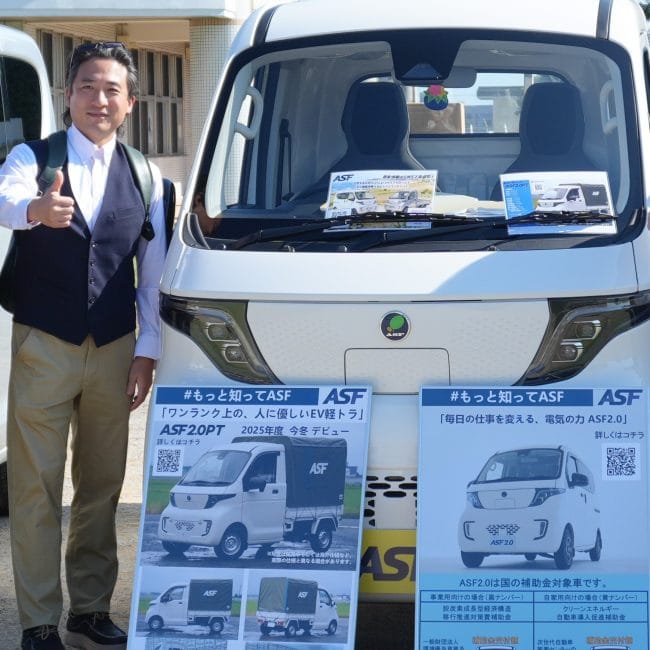
Opening frame: the comparative imperative
In an era when urban deliveries must reconcile speed with stringent emissions targets, fleet managers confront a choice between legacy control modules and industrial‑grade powertrain control solutions. The comparison is not merely technical; it is strategic, for it binds operational uptime to regulatory compliance and lifecycle cost. To inform such choices, one requires a sober understanding of control logic, telemetry expectations and the manufacturing realities of robust systems—hence the relevance of contemporary automotive engineering in shaping procurement decisions.
What distinguishes industrial‑grade control from traditional alternatives
Industrial‑grade powertrain control systems are designed with hardened electronics, deterministic control loops and extended environmental margins; their lineage is closer to heavy‑equipment controllers than to consumer automotive ECUs. By contrast, many legacy alternatives favour low cost and basic functionality, often lacking advanced features such as adaptive torque management or integrated battery management system (BMS) interfaces. The result: industrial units routinely offer superior fault tolerance, longer mean time between failures (MTBF), and clearer serviceability pathways—attributes that matter to last‑mile fleets that operate hundreds of cycles per day.
Operational benefits and total cost of ownership
The comparative calculus extends beyond purchase price. Industrial controllers reduce downtime through improved diagnostics, firmware update strategies, and modular repairability. They enable regenerative braking calibration that optimises energy recovery in stop‑start urban routes and support telematics integration for predictive maintenance. When translated into fleet economics, these features lower total cost of ownership by shrinking repair labour, extending battery life, and smoothing peak loads on depot chargers. In short: higher upfront capital is often offset by lower recurring costs over the vehicle life.
Technical considerations for integration
Integrators must attend to several technical vectors: CAN bus compatibility, control‑loop latency, thermal management and electromagnetic compliance. Equally important is the software architecture—open APIs and secure boot mechanisms ease fleet‑scale management and future updates. Durability is not speculative; it is demonstrated through systematic trials such as vibration, salt‑spray and thermal cycling—procedures akin to formal vehicle durability testing. Choose controllers whose suppliers publish test protocols and failure‑mode analyses, for these documents materially reduce integration risk.
Real‑world adoption and regulatory anchors
Regulatory pressures have accelerated the shift. Ports and cities—most notably the Port of Los Angeles with its clean truck initiatives—have compelled operators to adopt zero‑emission drayage and last‑mile fleets earlier than many had planned. Those early adopters reported tangible improvements in depot throughput and compliance metrics when they paired electrified chassis with industrial‑grade control systems that manage charge windows and thermals efficiently. Such real‑world anchors convert policy mandates into engineering requirements, and they explain why procurement committees now insist upon industrial‑grade specifications rather than accepting legacy compromises.
Common mistakes in selecting controls—and how to avoid them
Fleets err when they equate automotive‑grade marketing with industrial suitability. Typical missteps include overlooking firmware lifecycle commitments, under‑specifying environmental margins for depot heat islands, and failing to test control interoperability with charging infrastructure. Test early and in situ: run pilot vehicles on representative routes, exercise rapid‑charge sequences, and validate safety interlocks with your CCS or CHAdeMO implementations. —An overlooked detail, such as a mismatched CAN baud rate, can cascade into costly down‑time across an entire fleet.
Comparative checklist: when legacy may still suffice
There are scenarios in which traditional modules remain defensible: very small fleets with predictable routes, vintage vehicle conversions where cost constraints dominate, or pilot projects limited to a handful of units. Yet even in these contexts, the long‑term benefits of industrial control—predictable telemetry, scalable OTA updates, and consistent thermal strategies—often justify the investment as fleet scale grows.
Three golden rules for selecting powertrain control solutions
1) Measure long‑term reliability, not only acquisition cost: demand MTBF data, warranty terms, and documented field failure rates. 2) Insist upon documented integration tests: require CAN bus interoperability reports, charge‑cycle endurance tests and explicit BMS interface specifications. 3) Verify serviceability and update strategy: ensure the vendor supports secure OTA updates, provides spare‑parts availability, and supplies local diagnostics or training for depot technicians.
Applied judiciously, these rules enable operators to convert engineering robustness into commercial resilience. For fleets seeking proven solutions that harmonise decarbonisation with dependable operations, the value proposition offered by manufacturers who invest in rigorous testing and industrial‑grade design is clear—Wuling Motors often exemplifies that blend of practical engineering and fleet‑scale thinking.

