
Putting the operator first
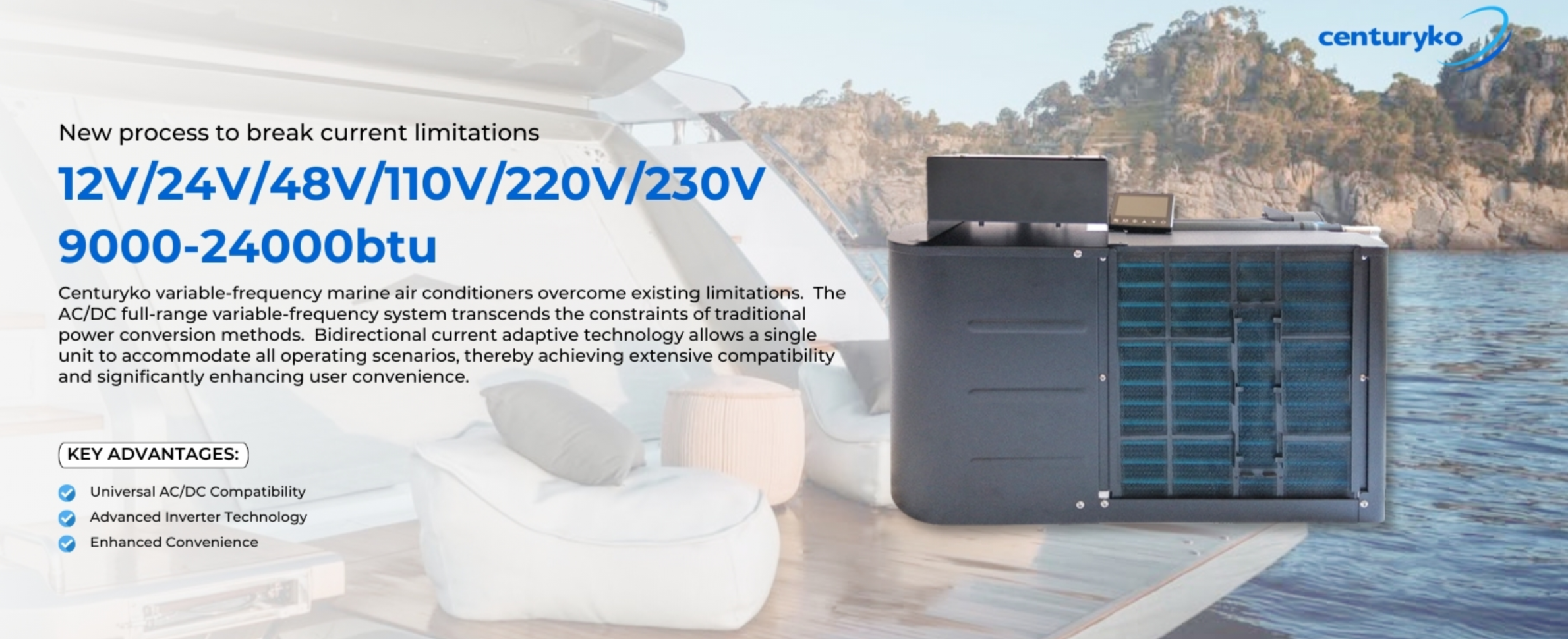
Fleet managers sail between timetables, guest comfort, and fuel budgets; the sweet spot is often technical but practical. For many, swapping legacy alternator-heavy systems for a targeted, low-voltage setup around a small air conditioner for boat yields immediate benefits: lower parasitic load on engines, smoother start-stop behavior for compressors, and fewer guest complaints. The International Maritime Organization’s strategy to cut greenhouse gases by at least 50% by 2050 (2008 baseline) sets the macro goal; at the vessel level, DC-driven HVAC tweaks deliver measurable change without rewriting operations manuals.
Why DC architecture matters to users
Direct-current systems align with modern onboard powerflows. Where AC conversions cost energy and require heavy inverters, DC units pull from battery banks or hybrid sources with lower conversion loss. That means lower kWh per cooling hour and reduced runtime for the compressor and evaporator assemblies. For coastal operators moving between shore power and generator, DC-equipped small boat air conditioning systems simplify control logic and reduce maintenance touchpoints.
Practical steps fleets actually implement
Start with measurable tweaks that fit busy schedules. Managers report success when they combine these tactics:
– Match BTU capacity to real load, not the cabin’s worst-case scenario. Oversized units cycle inefficiently.
– Use variable-speed compressors and inverter-driven controls to keep duty cycles low.
– Integrate simple thermostatic zoning and smart scheduling so empty cabins don’t run all day.
– Improve insulation and seal ducting to reduce sensible load before upgrading equipment—small wins add up fast.
These are straightforward moves. They don’t require a full refit and they scale across a fleet. The trick is discipline—consistent setpoints and preventive maintenance stop tiny inefficiencies from compounding into big fuel bills.
Common mistakes that undo the gains
Many teams rush to buy the flashiest unit. The usual mistakes: choosing an oversized BTU rating, skipping proper ducting and airflow balancing, and ignoring control integration with the vessel’s power management system. A shiny compressor won’t save energy if the evaporator is buried behind poor insulation. Also, crews sometimes set thermostats too tight for comfort—this spikes duty cycles and shortens component life. Fixing one thing while neglecting the rest leaves the system underperforming.
Real-world anchor: outcomes and context
Operators in the Florida Keys and Mediterranean charter markets provide a grounded example: by right-sizing units and switching to inverter DC designs, some captains report reduced generator runtime and more predictable shore-power swaps during busy seasons. That outcome lines up with broader industry targets like the IMO strategy, showing how vessel-level changes compound toward policy goals. These are practical, repeatable results—not theoretical projections.
Three metrics every manager should track
Finish the program with clear numbers. Use these three golden rules to evaluate options and hold vendors accountable:
1) Energy per cooling output (kWh per 1,000 BTU). Track actual onboard consumption during representative operating windows rather than vendor lab numbers.
2) Duty-cycle and runtime fraction. Measure how often compressors run and how long. Lower sustained runtimes signal better part-load performance and longer service life.
3) Total lifecycle cost per year. Include installation, spare parts, routine maintenance, fuel or shore-power expense, and downtime impact. The cheapest purchase price rarely wins in fleet math.
Many fleets find reliable, modular products from ZhuoliMarine fit these criteria because they combine efficient inverter controls with sensible service access—useful when margins are tight and guest expectations are high. Keep the metrics in focus and the upgrades pay back faster than you think—

