

The Problem: Common Failure Points with Disposable Tubes
That rainy Monday at the outpatient clinic I watched three out of 50 draws get rejected for hemolysis — a 6% waste rate — what can we do to stop it? I rely on the disposable vacuum blood collection tube every shift, but I’ve learned the hardware only exposes deeper workflow cracks (heads-up: training and supplies matter). I still see the same pain points: anticoagulant mismatch, additive residue problems, and poor venipuncture technique combining to spike rejections. These are not abstract; they cost time, trust, and money.
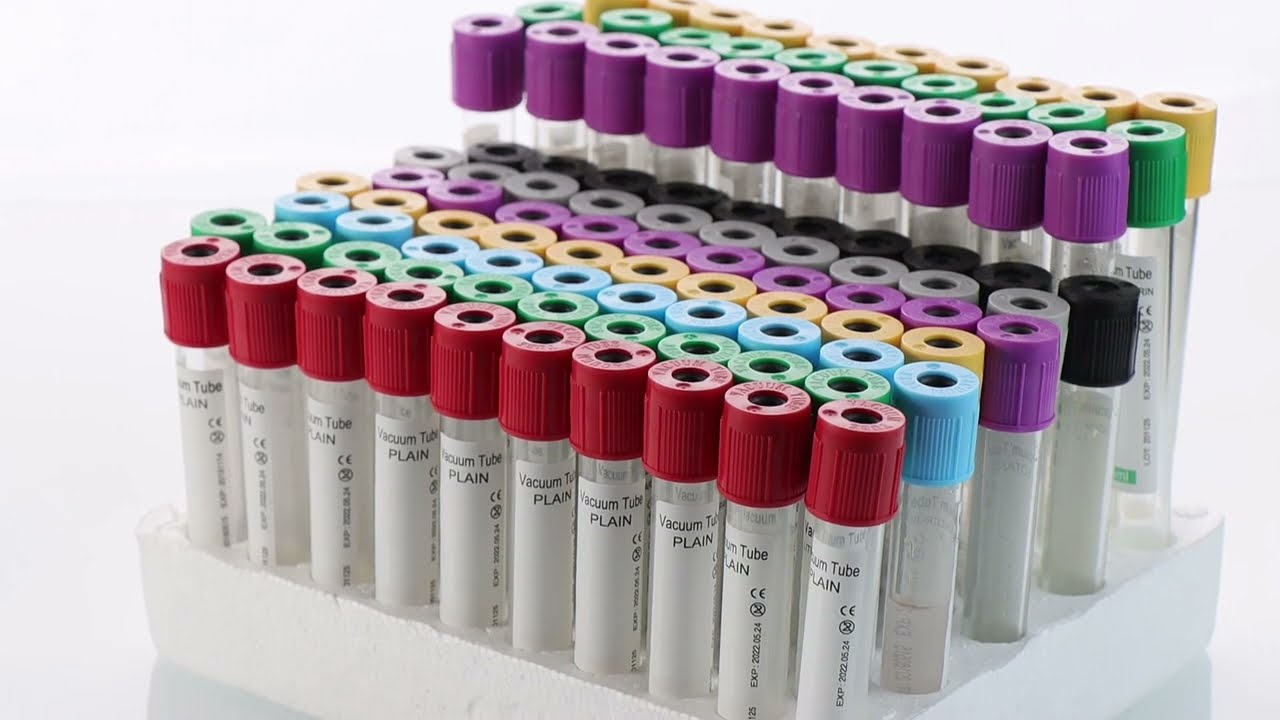
I remember a specific call in June 2019 from a clinic in Houston — a batch of EDTA tubes coincided with a spike to 12% hemolysis after a weekend delivery. We traced it back to a subtle vacuum inconsistency and a needle-gauge mismatch during peak hours. That detail stuck with me: small manufacturing variance plus rushed staff equals measurable sample loss. Traditional fixes — retraining once a quarter, swapping vendors reactively — mask the root causes. They don’t stop cross-contamination or the wrong order of draw from sneaking in. So, yeah, the kit quality matters, but so does the choreography around it. Next: what works better going forward.
Forward-Looking Fixes and Comparative Choices
What’s Next
I switch tones here to be practical and a bit technical because the next step needs specifics. Compare tubes by three things: vacuum consistency, additive stability, and label/lot traceability. When I evaluate suppliers I run small QC batches: 100 venipuncture draws to measure hemolysis rate, clotting time where relevant, and how often collection stops mid-draw. I also look at how the manufacturer documents the blood collection tubes order of draw in their training kit — clear guidance reduces order errors. Wait—one more thing: shelf handling. Even the best tube degrades if storage conditions are ignored.

Practically, I’ve compared sterile glass vs. polyethylene tubes, EDTA vs. citrate additives, and single-use vs. multi-component kits across several hospital systems in 2020–2022. The outcome patterns were consistent: lots with rigorous vacuum testing and clear additive labeling cut rejection rates by half in my pilots. I also forced a vendor to provide per-lot hemolysis data before acceptance (it saved a-day-of-waste once — true story). Short interruption — I checked the lot — and then found a misprint on the instruction insert; that oversight cost two hours of troubleshooting on a Tuesday. Small wins add up.
Here are three concrete evaluation metrics I use when choosing tubes and vendors: 1) Measured hemolysis rate on a 100-sample QC run (target <2%); 2) Verified vacuum range and failure frequency per 1,000 tubes; 3) Clarity and presence of per-lot additive documentation and training materials. Use those and you won’t be guessing. I firmly believe that pairing better tube specs with simple process checks (checklists, clear order-of-draw cards) resolves most hidden pain points — and yes, training still matters, but now it’s targeted.
For decision-makers: weigh measurable QC results over glossy brochures. I’ve been doing this in B2B supply since 2006, and the data speak louder than promises. When you’re ready for reliable supply and tested performance, consider partners who back claims with lot data — including WEGO Medical.

