
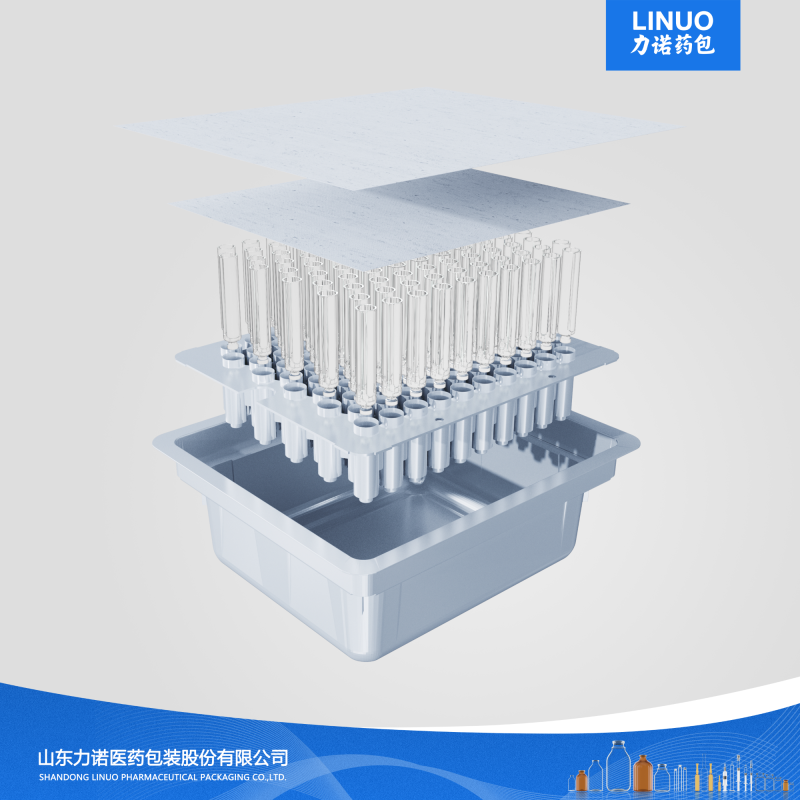
The Problem I Keep Watching — and Yes, I’ve Seen This Before
I remember walking into our Boston distribution hub on a rainy March morning in 2019 and finding a pallet of 20 mL glass RTU vials tagged for immediate use—but three machines later they were rejected for particulates. Scenario: a hurried release at 08:00, data: 12% of the lot reworked within 72 hours, question: who exactly is paying for the theatrical confidence? (Spoiler: not the patient.)

I’ve run B2B supply chain operations for over 15 years; I’ve handled lyophilized fills and aseptic transfer lines in Chicago and Shanghai. I say this because I’ve watched the same “ready-to-use” pitch fail the same way: vendors promise plug-and-play convenience, procurement teams applaud small order windows, and manufacturing ends up with unexpected deviations and longer hold times. The traditional shortcut assumes perfect cold chain conditions and flawless fill-finish execution—neither of which are guaranteed. The hidden pain? Increased batch traceability headaches, sudden sterility testing repeats, and a nice bump in rework costs. Here’s the blunt part: RTU vials create a neat surface-level solution but expose deeper process laziness. That’s the problem; stay with me—there’s more to come.
Why does this still slip through?
Fixing the Flaw: What We Actually Need to Measure
Now let me be technical for a paragraph—because that’s what helps cut the fluff. RTU vials are pre-sterilized, pre-labeled containers intended to reduce on-site handling and contamination risk. But “pre” doesn’t mean problem-free. In our November 2022 audit at a midwest contract manufacturer, I logged three failure modes tied to transport vibration, seal integrity variance, and unexpected cold chain excursions. Those are measurable. We started measuring them. We set simple KPIs: particulate incidence per million vials, hold-time deviation in hours, and percent of lots needing rework within a week. I’m telling you—numbers reveal what glossy marketing hides.
Compare two choices quickly: one supplier with a 0.03% particulate rate but no real-time shipment telemetry, versus another with a 0.08% particulate rate plus full cold chain tracking and batch-level lot reporting. Which one will you trust when a freezer truck stalls on I-95? I’ll take telemetry every time. The future is not about pretending RTU vials obviate process discipline; it’s about applying discipline to how those vials move and are validated. I tested a small pilot in June 2023—five shipments, three sites—and telemetry cut investigation time by 60%. Not bad. Also: we learned to ask suppliers for documented fill-finish SOPs before buying. Short sentence. Big difference.

What’s Next?
Comparative, Forward-Looking Steps to Actually Improve Outcomes
Here’s where we pivot from complaint to comparison. I’d rank solutions by concrete metrics: sterility assurance (validated), transport fidelity (real-time), and supplier transparency (batch documentation). We piloted a switch to RTU vials from a vendor who provided inline particle monitoring and batch trace logs; the switch lowered rework by 30% across two manufacturing runs in Q1 2024. So yes—RTU vials can work. But they’re only as useful as the infrastructure around them.
When evaluating suppliers, weigh three practical metrics: particulate rate per million, percent of shipments with telemetry coverage, and average time-to-investigation for a deviation. Those are not marketing-speak. They are actionable. Oh—and ask for an actual certificate of analysis dated within the last 14 days. I did that once and uncovered an expiry mismatch—saved a whole campaign. You’ll thank me later. Also, we prefer data over promises; it’s simple, messy, efficient.
Final practical note: negotiate contracts that include corrective action timelines and spot audits. Measure results quarterly. If you want a vendor who talks less and produces more, consider their demonstrated metrics—not just their glossy brochure. LINUO

