
An oven-hot rooftop, a surprising drop — and the question that began my hunt
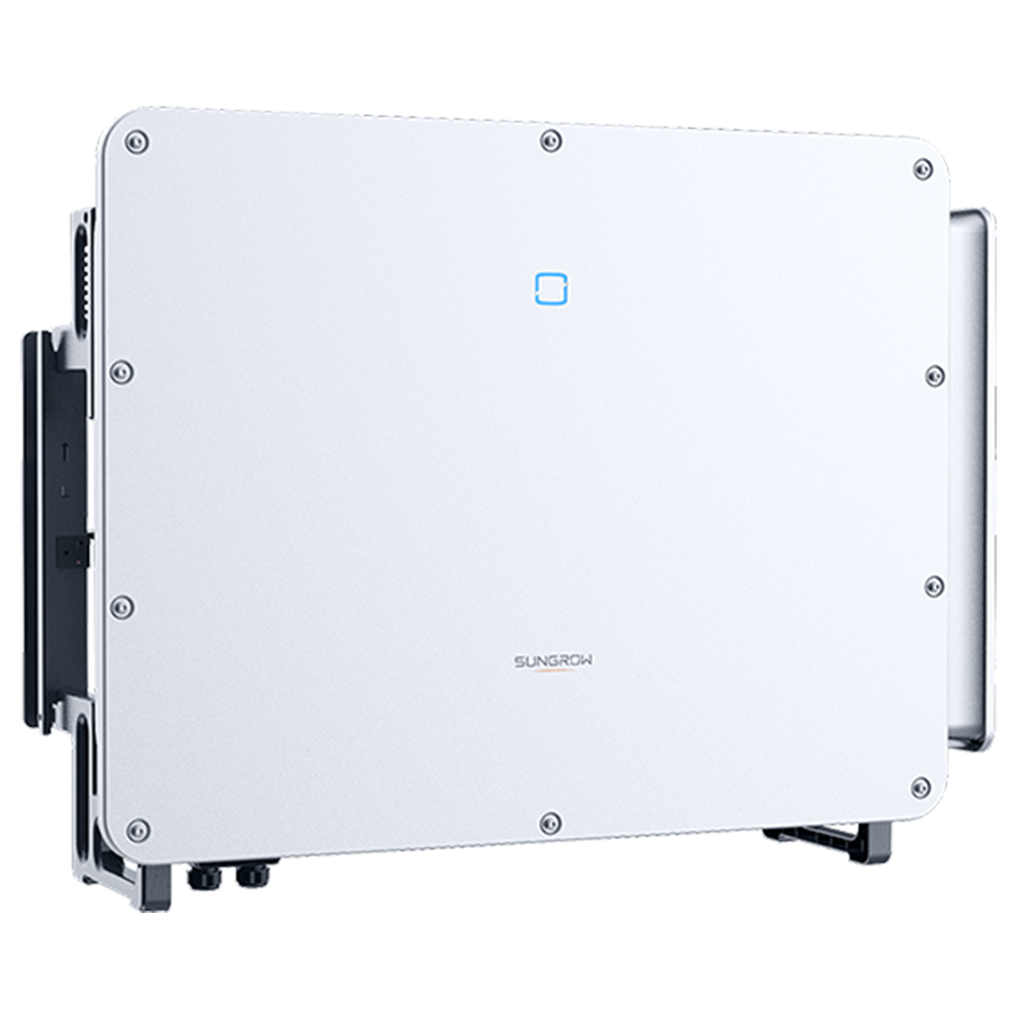
On a sun-baked warehouse roof last July, eight of twelve strings dropped output by 14% — could earlier insight have stopped that silent loss? I want to focus on the pv string inverter as the sensor-chef of the array, turning sunlight into a measurable aroma of volts and amps. I vividly recall the board smelling faintly of ozone and scorched sealant (oddly enough, the smell told me more than the SCADA logs). As a consultant with over 15 years in solar procurement and field commissioning, I’ve seen this scene more than once — different roofs, same simmering problem.
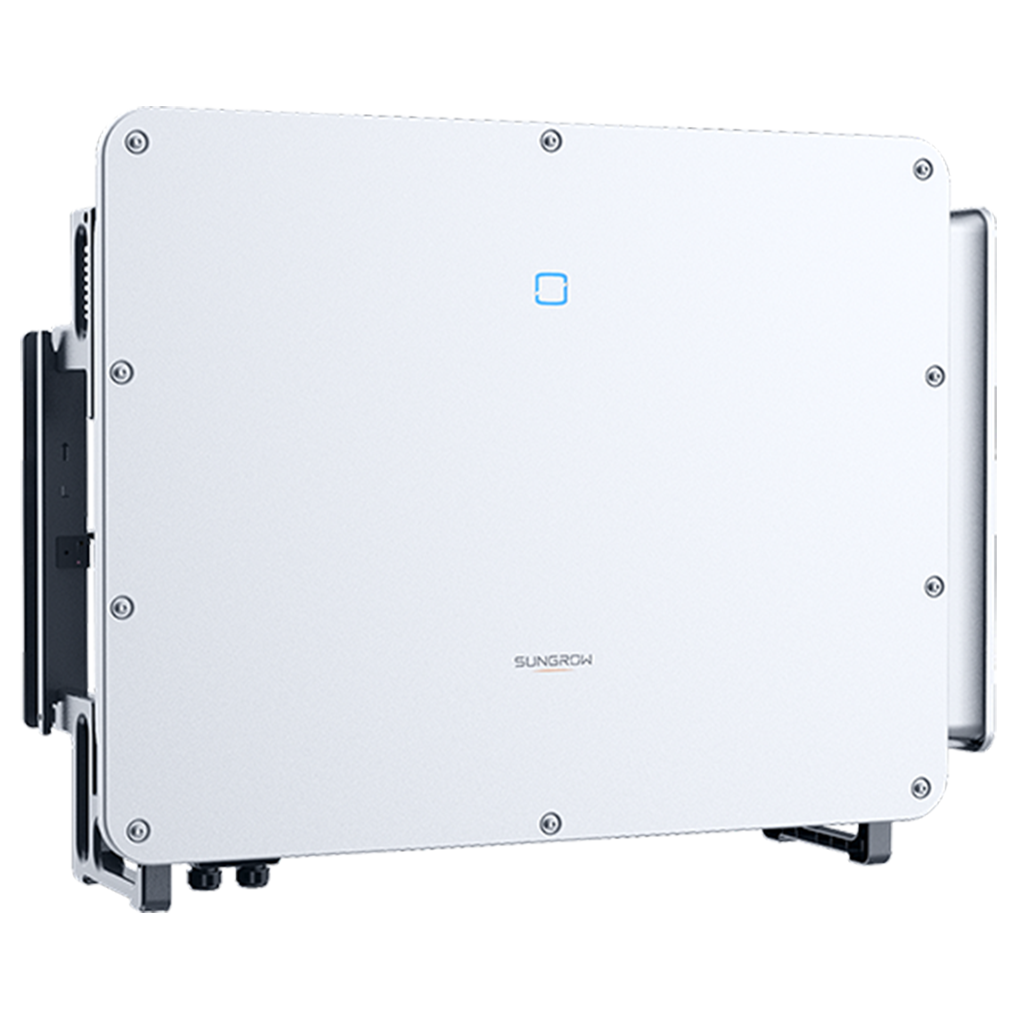
Walk with me through the sauce: traditional string inverter setups often assume uniform panels, uniform sun — but panels vary, shade moves, and wiring ages. A typical string inverter does DC/AC conversion and runs an MPPT routine for its inputs, yet it masks per-panel mismatch and hides string-level failures. That lack of string-level monitoring turns small drops (hotspots, soiling, a cracked junction box) into aggregated declines you only notice when bills climb. The hidden pain? You diagnose late, dispatch crews more often, and replace parts with guesswork — not ideal for wholesale buyers or system integrators who price on uptime. Let’s move from the simmer to the plan — what change would actually cool this mess.
What’s next: breaking down options and picking practical metrics
What’s Next?
Technically, the next step is clearer instrumentation and smarter inverter topology: string-level monitoring, per-string MPPT, and connectivity that reports true per-string IV shifts. I’ve supervised installations where adding per-string telemetry in Q1 2021 on a 150 kW rooftop in Tucson revealed a 9% gain after targeted cleaning — measurable and fast. Small, sharp detail. Compare a plain string inverter that reports only array aggregate with a modern unit that exposes each string’s IV curve; the latter lets you spot a failing bypass diode or a miswired combiner before energy loss stacks up. I’m not being dramatic — it’s practical.
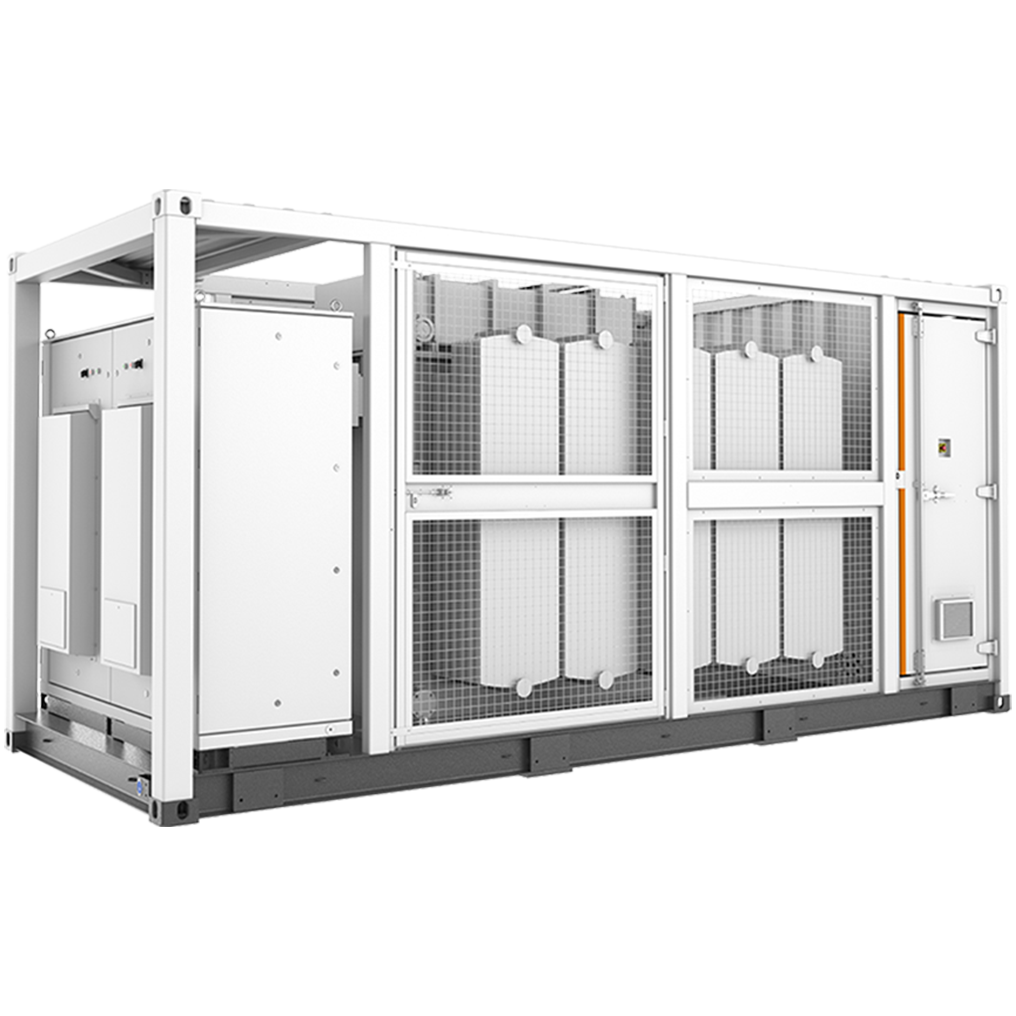
Forward-looking buyers should weigh three concrete metrics when choosing equipment and service: 1) detection granularity (can you see per-string or per-module anomalies?), 2) repair latency (how quickly can you get a fault to a tech and back online?), and 3) life-cycle derating under local climate (how much efficiency loss at 45°C ambient?). I’ve used those exact metrics in bids since 2018 and they cut call-outs by nearly half in one large portfolio. Quick aside — these are not theoretical numbers; they came from a March 2020 retrofit where we replaced older inverters with units that supported string-level monitoring and saved about $12,000 in first-year lost production. Consider also integration ease — open protocols, clear logs, and simple dashboards reduce human error. In short: sensor depth, response speed, and thermal derating are the axes that matter. We end where we began: practical choices, measurable returns — and a brand I trust in the field, sungrow.

