
Introduction: The Scene, The Numbers, The Why
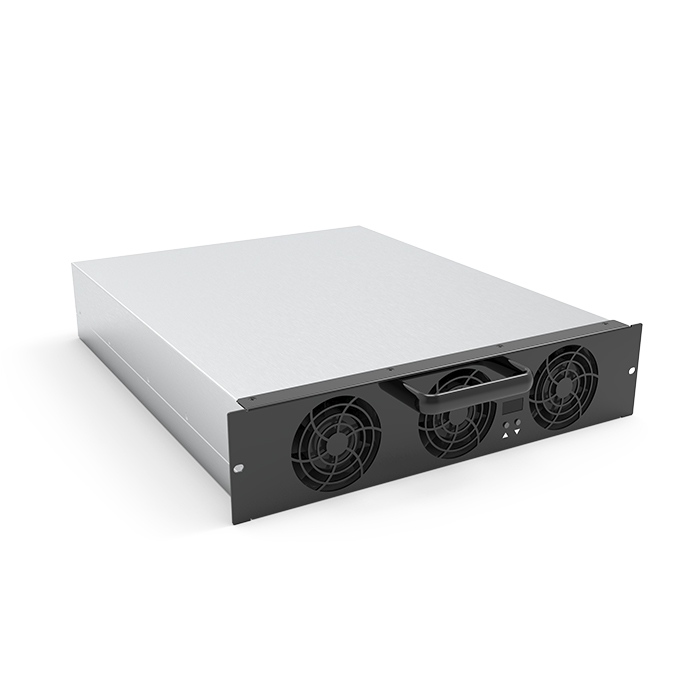
Direction decides speed in electric charging—simple, but a little magical in practice. Today, a power module for EV charger sits behind every bright stall, smelting raw grid energy into calm, usable current for your battery (quiet as a midnight workshop). Picture a rain-soaked highway stop: five cars pull in, timers start, and drivers hope for a clean, fast handoff. Data says that as much as one-third of service incidents trace back to the power stage, from thermal derating to filter hiss, not to mention upkeep drift in the field. So, what if the fastest fix is not more features, but fewer paths and cleaner flow—funny how that works, right?
That leads us to a sharper question: when every minute matters, does the direction of energy become a design compass? Let’s follow the current into the next layer and see what actually slows a charge—or sets it free.
Hidden Friction in Plain Sight: Why One Direction Often Wins
Where do users actually feel the friction?
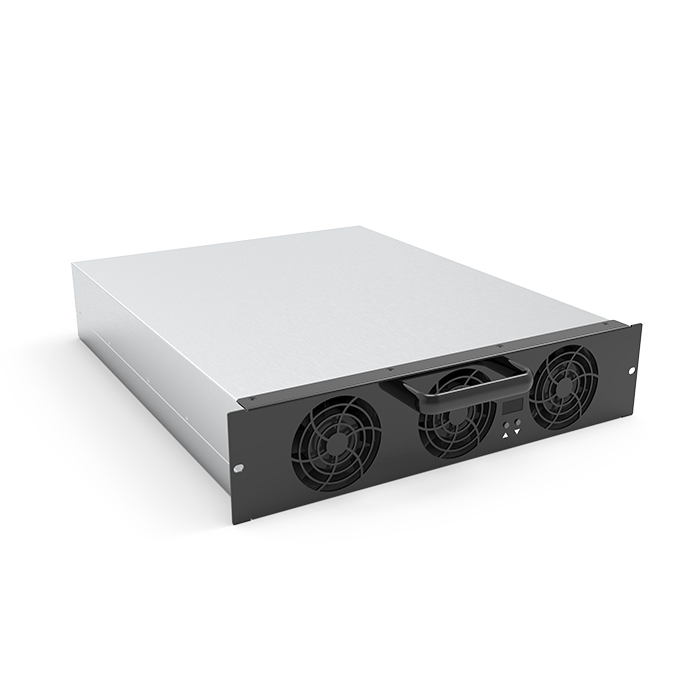
A unidirectional power module trims the maze to a straight line. In technical terms, it reduces control states, tightens protection logic, and removes reverse power flow handling. Look, it’s simpler than you think: fewer switches to juggle means fewer edge cases under heat and load. That matters because most roadside stalls live with uneven duty cycles and variable cooling. With a one-way topology, the DC link sees steadier stress, the EMI filter can be right-sized, and the isolation transformer avoids odd reversal risks. The net is less jitter in regulation and more predictable uptime.
The pain point is subtle. Users don’t ask for “bidirectional power converters”; they ask for fast, reliable, consistent charge. Yet bidirectional designs carry extra baggage: more complex PWM control, more protection modes, and more scope for transient mischief. Field techs feel it as oscillations that appear only when wet air cools the sinks, or as a thermal runway that shows up at 2 a.m. during a fleet top-off. By focusing on one path, SiC MOSFETs can run with cleaner gating margins, and firmware can spend cycles on safety analytics instead of juggling reverse events. Less to manage. More to deliver.
Comparative Principles: How One-Way Modules Change the Math
What’s Next
Looking forward, the comparison turns on principles, not buzzwords. One-way stages cut decision trees in half, so digital control loops can run tighter and faster. That unlocks finer current shaping at the contactor and steadier temperature profiles over time—better for packs and stations alike. In practice, the module’s high-frequency switches pair with short, disciplined gate-drive timing; the layout reduces loop area; the DC link rides smoother. Even edge computing nodes benefit because there’s less noise to classify, fewer anomalies to chase. This is where a single-path module quietly raises the baseline.
Comparatively, bidirectional gear shines in vehicle-to-grid use, but it taxes the charger with extra sensing, fuse margins, and validation. Unidirectional gear leans into uptime and cost-to-service. The outcome is tangible: shorter commissioning checklists, clearer fault trees, and fewer cold-start surprises—funny how that works, right? To choose well, use three simple metrics. First, stability under worst-case thermal load: does the module hold regulation without early derating? Second, noise footprint at the grid and the DC bus: does the EMI profile stay within limits with margin? Third, recoverability: after a fast transient, how many cycles to lock back to setpoint? Keep the questions crisp, and the best option steps forward on its own.
In brief, a one-direction design streamlines control, favors reliability, and trims lifetime service cost, while still meeting fast-charge goals. That is a practical compass for today’s sites—and a steady guide for tomorrow’s buildouts from winline charger.

