
Introduction — A Shop-Floor Story
I once watched a seasoned machinist treat a stubborn spindle like a piece of overcooked steak—gentle at first, then impatient hands and a lot of wasted time. That afternoon stuck with me because it showed, in plain terms, how small choices balloon into lost hours. CNC lathe manufacturers sit at the heart of this problem: they build the tools, but they don’t always design for the humans who use them every day. Data backs it up—shops report downtime eating as much as 8–12% of productive time (and that’s before you count setup mistakes). What if a few focused changes could slice that number in half?—let’s dig in, from tools to tactics.
Part 2 — Where the Old Fixes Break Down
Why do tried solutions keep failing?
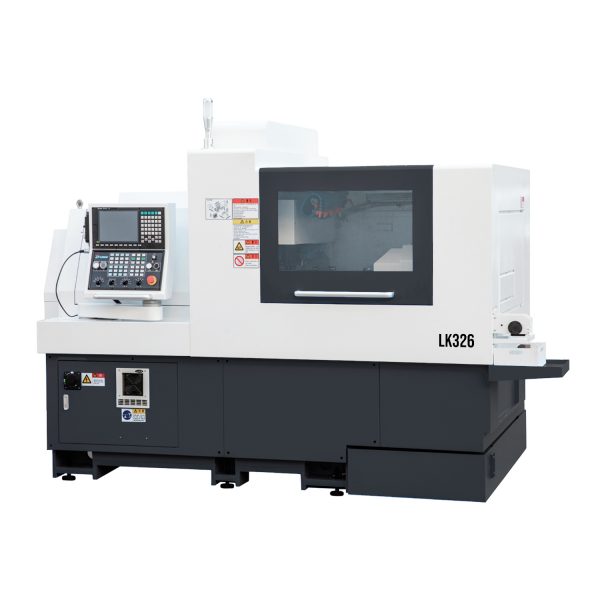
I’ll be direct: traditional responses to downtime often look neat on paper but fall apart on the floor. Take a common example — shops keep a spare cnc metal lathe part bin and call that “redundancy.” In practice, mismatched tool turrets, inconsistent spindle alignment, and fragile wiring (power converters and servo motors that age differently) make those spares useless. The result: a technician hunts for the right part, then waits for calibration, then re-runs quality checks. It’s a cascade. I’ve seen it happen in two hours flat.
Technically speaking, many solutions ignore root causes like poor error logging, weak human–machine interfaces, and brittle supply chains. Edge computing nodes are underused for local diagnostics, and CNC control panels remain, frankly, clunky. Look, it’s simpler than you think: better telemetry and smarter spares strategy cut the hunt-and-wait loop. We need systems that report precise failure modes, not generic alarms. That way, the floor team fixes the actual fault, not a symptom.
Part 3 — Principles for Next-Gen Reliability
What’s Next: smarter machines, smarter crews
Moving forward, I’d focus on three practical principles that change outcomes: local intelligence, readable diagnostics, and human-centered maintenance flows. New control logic can run quick self-checks at idle. A modern cnc lathe machine should tell you which bearing, which line, which threshold failed — not just flash a cryptic code. When diagnostics live at the machine (edge computing), you avoid round trips to the main server, and a tech gets actionable steps in minutes. I’ve watched this cut restart time from hours to under 30 minutes on a few pilot cells — surprising, but true. — funny how that works, right?
Putting this into practice means rethinking parts, software, and training together. Standardize connectors so spares fit without rewiring. Use simple, color-coded maintenance prompts so operators can act fast. Pair upgrades with short, hands-on simulations; people remember tactile fixes, not manuals. In short: design for the people who touch the machines every day and give them tools that speak plainly.

Closing — How I Judge a Better Solution
As someone who’s worked between the shop and the design table, I evaluate new approaches by three clear metrics: mean time to repair (how quickly a team can get running), diagnostic clarity (how specific the machine’s feedback is), and spare usefulness (do parts fit and restore operation without custom work?). Those three measures tell me whether a change reduces downtime or just shifts the burden. If you ask me, these are the numbers that matter.
I’ve said a lot, and I mean it: human-centered design wins more often than flashy specs. Try small pilots, measure those three metrics, and iterate. For real-world equipment and consistent support, I recommend considering partners who balance solid mechanics with clear diagnostics — like Leichman. They don’t solve everything, but they start from the right place: the operator’s hands.