
Introduction: Define the Core, Then Compare
In a hybrid summit with five languages, a three-second delay can turn a crisp keynote into a chain of interruptions. An interpretation system routes live speech from floor to booth to listener with minimal loss and minimal delay. When teams weigh an interpretation system for multilingual meetings, they face real constraints: room acoustics, channel counts, and the human need to follow a thought in real time. Data tells a clear story—events report that even 1.2 seconds of extra lag can cut comprehension rates by double digits, and turn Q&A into guesswork. So here is the comparative question: what parts of the chain decide clarity, and which parts waste your time?
We will compare the moving parts that matter, and leave the buzzwords aside (no magic, just sound practice). Look, it’s simpler than you think. First we surface what hurts users the most, then we explore better design paths that scale with size and languages. Let’s step into the real gaps that often stay hidden—and fix them before the next microphone goes live.
Hidden Pain Points You Can’t See on a Spec Sheet
Where does understanding actually break?
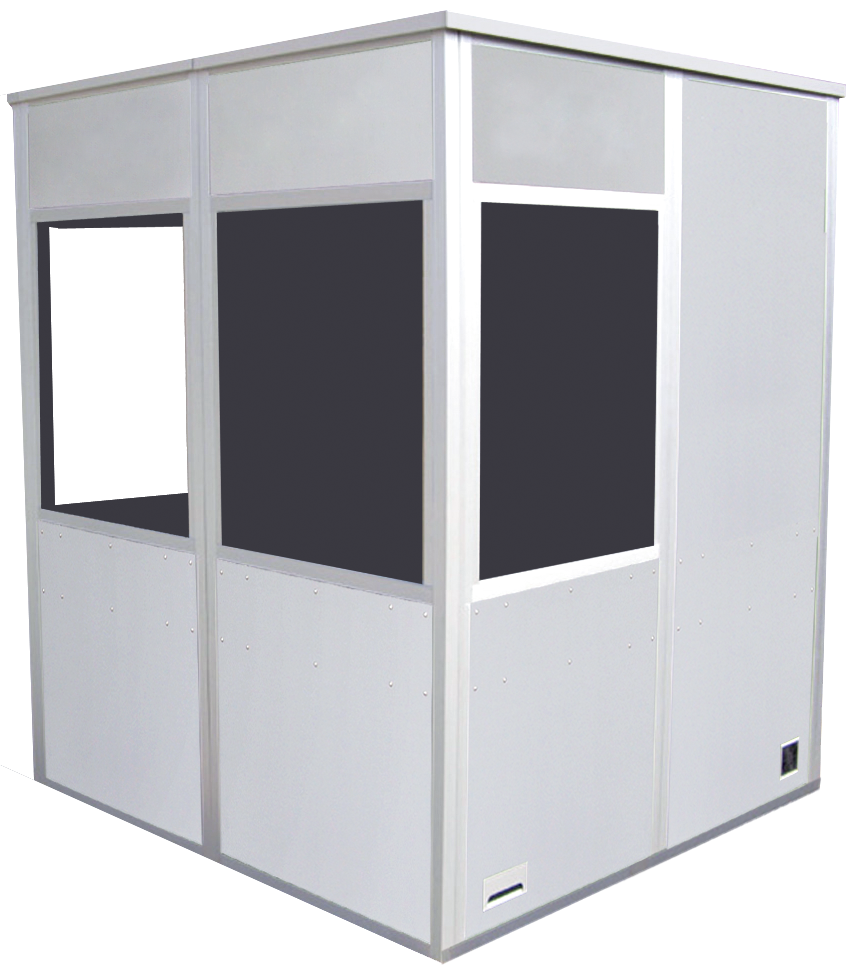
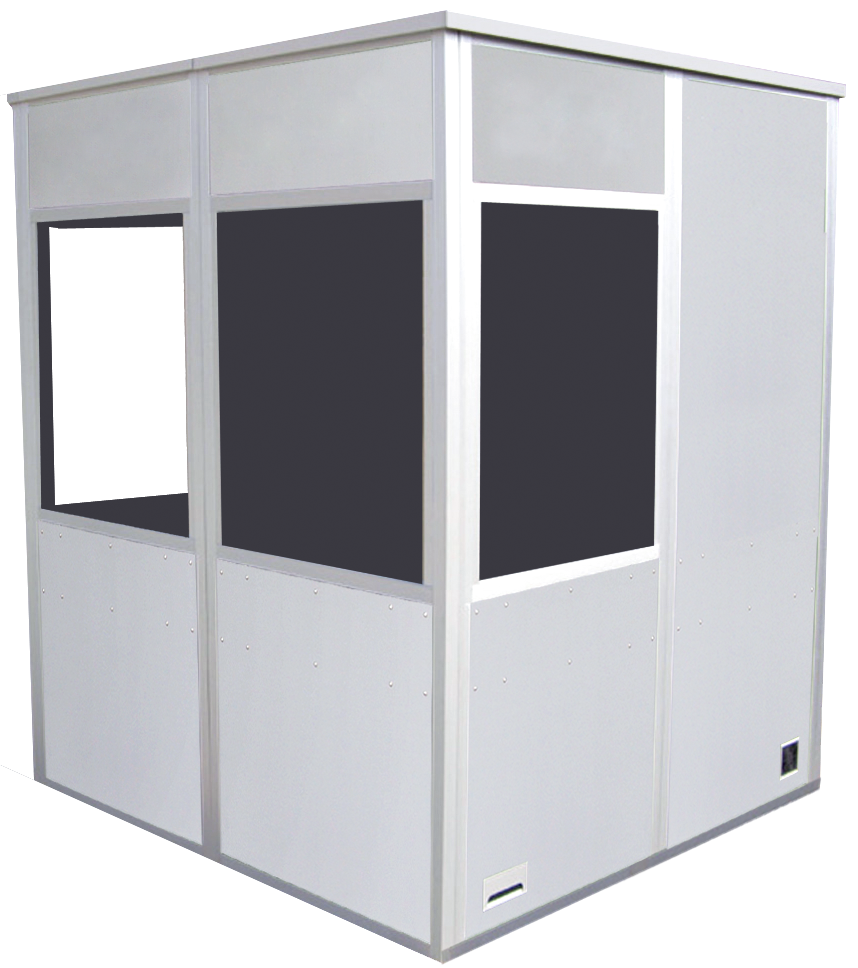
Small flaws stack. A crowded RF spectrum raises noise floors; a poor latency budget makes speech feel detached; uneven booth audio can tire interpreters fast—funny how that works, right? Attendees won’t tell you about “buffer settings,” yet they will leave early if ideas arrive late. The gap is usually not one big failure but many minor ones. Interpreters hear artifacts, participants feel lag, and the flow dies. Direct truth: room plans that look neat on paper can fail when doors open and bodies absorb sound. And yes, the fix starts before you pick hardware.
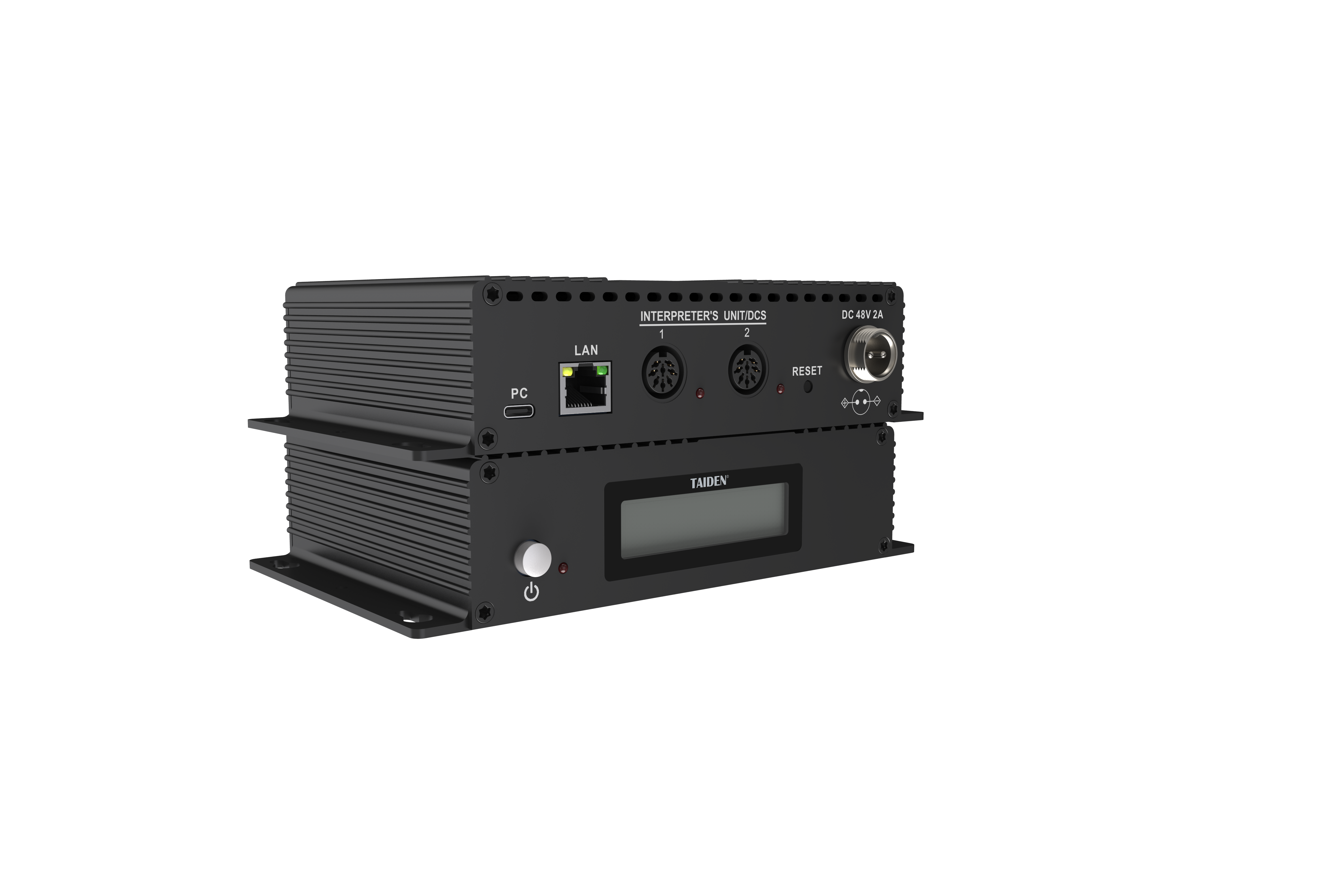
Plan the path of sound and packets, not just channels. Place edge computing nodes close to booths to compress and route audio with less jitter. Treat power converters and cable paths as signal gear, not afterthoughts. Do RF spectrum planning before you add microphones, and consider wired returns where feasible. Keep the user in mind: large print on receivers, tactile buttons, intuitive channel names. Most “tech failures” are human friction in disguise. If you map the experience from the chair to the earbud, you will see which links need redundancy, and which need to be simpler.
Comparative Outlook: Principles That Future-Proof Your Setup
What’s Next
The better systems now follow a few clear principles. First, treat delay like a budget you never overspend. Shorter DSP pipelines and local encoding reduce stack delay; synchronized clocks keep booths, relays, and feeds aligned. Second, design for graceful scaling. If you add languages, you should not add chaos. Modular audio backbones with clear channel mapping help. Third, choose transport that fits the space. Infrared works well in secure rooms; managed RF shines in flexible halls; hybrid paths can bridge overflow spaces. When you evaluate simultaneous conference interpreting equipment, compare not only codecs and battery life, but also how the system handles shared loads, handoffs, and failover. Small detail, big result—labeling and UI cues reduce errors at peak moments.
This aligns with what we saw earlier: the pain starts with little delays and friction points, not flashy specs. So adopt a test-first mind-set. Pilot with real speech, real accents, and live handovers. Log latency at the ear, not just at the rack— and yes, the numbers change when seats fill. Evaluate three metrics to choose well: 1) end-to-end latency under load, measured from microphone to listener; 2) intelligibility across the room, checked with multiple accents and speech rates; 3) resilience in the chain, including backup power paths and predictable behavior when a node fails. Keep these comparisons honest, and your multilingual room will feel natural. For more on systems shaped by these principles, see TAIDEN.

