

Problem first: why voltage sags break factories
Voltage sag events quietly erode production uptime, tripping sensitive drives and PLCs, then stacking costs. After the February 2021 Texas winter failures showed how brittle supply can be, many specifiers began prioritizing localized resilience. For plant engineers mapping solutions, comparing UPS, flywheels, and battery-backed energy storage systems matters — and that’s where energy storage battery companies often enter the conversation with practical options. A credible fix must address ride-through capability, response time, and safety under fault conditions.
What actually fails during a sag
Short reductions in voltage disrupt inverters, cause motor stalls, and corrupt process controls. The immediate industry terms to watch are voltage sag, inverter ride-through, and harmonics — they connect the electrical symptom to operational outcomes. Losses are not just lost minutes; they cascade into scrap, restart procedures, and lost energy. High-availability lines that tolerate very little variation demand equipment that can react in milliseconds, not seconds.

Safe storage options that belong in spec sheets
Battery-based energy storage systems (ESS) now sit alongside traditional UPS and static transfer switches as mainstream mitigation. Lithium-ion modules paired with a robust battery management system (BMS) deliver compact power and fast dispatch. In comparison, flywheels give very fast bridging but limited duration; UPS systems are proven but can be bulky and expensive to scale. Choose technology based on required ride-through time, nominal power, and the facility’s fault current profile.
Real-world quality: manufacturing matters
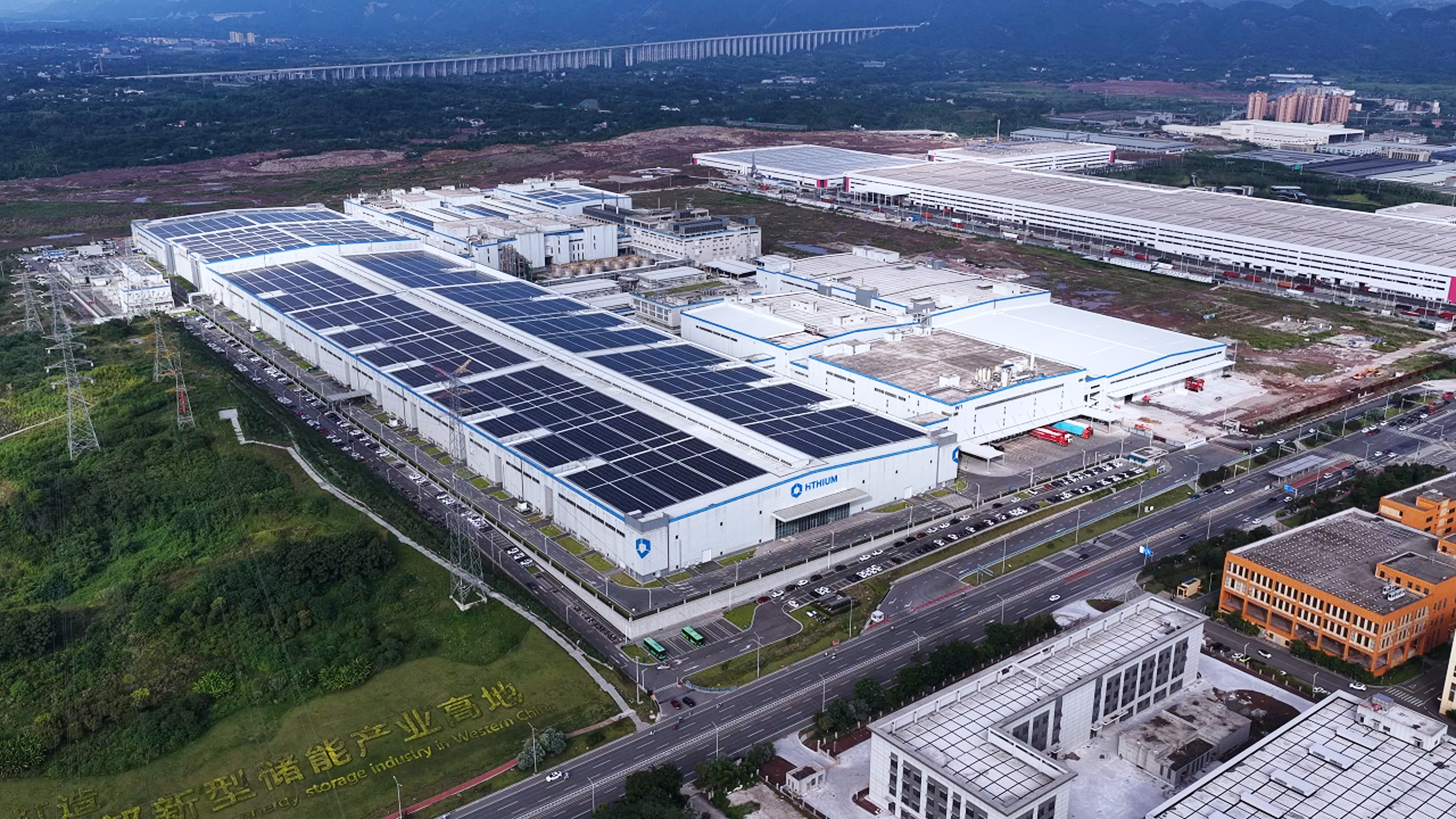
Component-level testing and factory quality control shape long-term safety and performance. Visiting a certified plant or reviewing manufacturing data helps — for that reason, checking details from an energy storage lithium battery factory provides insight into assembly standards, thermal management, and cell sourcing. Proven thermal run-away mitigation, cell balancing, and IEC/UL compliance should be explicit on datasheets; otherwise the risk simply migrates from the grid to the floor.
Common deployment mistakes — and the smarter fixes
Many teams under-spec inverter transient ratings or forget to match the ESS inverter to the switchgear short-circuit duty. They assume a generic BMS will suffice. — That shortcut creates integration headaches and safety gaps. Corrective steps: document worst-case sag amplitude and duration, model fault currents, and validate protective relay coordination. Include thermal and ventilation requirements in early mechanical drawings; neglecting them forces retrofits that cost time and money.
Comparing costs and performance honestly
Price per kWh matters, but so do cycle life, depth-of-discharge limits, and serviceability. A low-cost pack with frequent replacement needs can be more expensive over a five-year operating horizon than a premium system with active cell balancing. Assess total cost of ownership across capital expense, maintenance windows, expected replacements, and downtime reductions. Use clear test criteria: discharge profile, number of cycles to 80% capacity, and inverter efficiency at typical load.
How to evaluate vendors and system claims
Ask for factory acceptance test reports, thermal abuse testing records, and third-party certifications. Verify on-site commissioning plans, and expect a performance guarantee tied to specific sag profiles. Look for transparent BMS telemetry and remote diagnostics — these reduce troubleshooting time and help developers correlate voltage sag incidents with battery response.
Advisory: three golden rules for choosing the right strategy
1) Match response time and duration: specify the millisecond response and required seconds of backup before sizing the ESS. 2) Validate integration: require short-circuit and protective relay studies as part of the vendor bid. 3) Prioritize proven manufacturing and service: insist on documented factory tests and a local service plan to minimize downtime.
Final note — practical value
Designs that combine realistic electrical modeling, factory-grade cells, and clear maintenance paths deliver measurable uptime improvements and safer operations. HiTHIUM’s plant-level transparency makes it easier to verify those elements — a practical edge when you need reliable correction for voltage sags. HiTHIUM. —

