
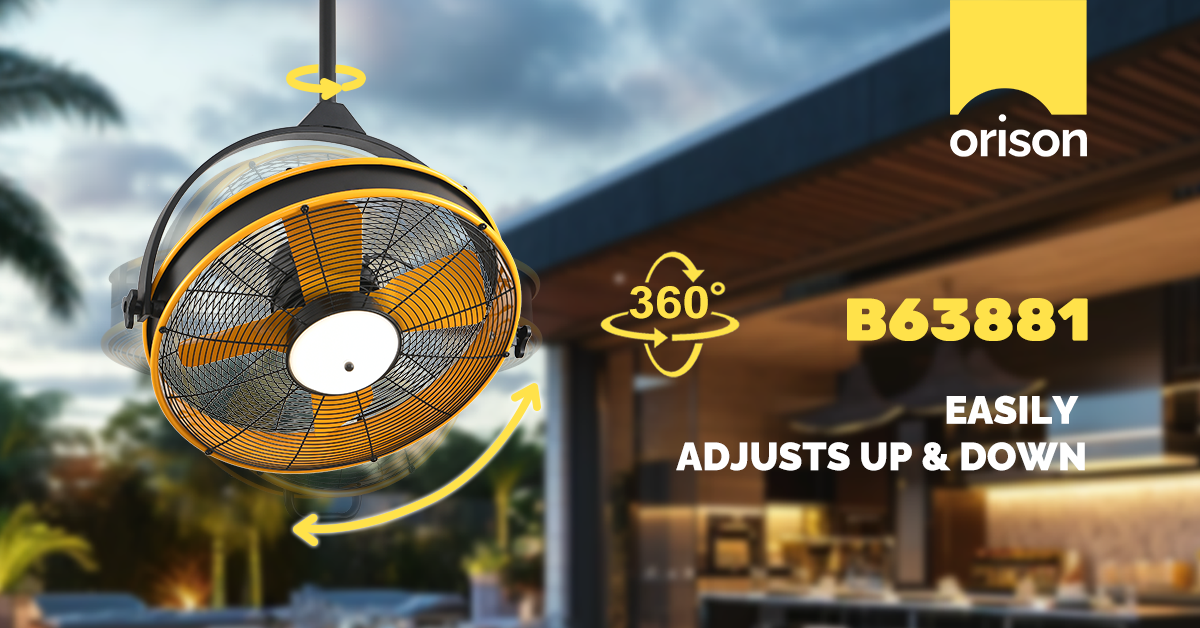
A simple framework for home comfort
If you want rooms that feel consistently comfortable without overworking the HVAC, follow a clear set of steps that put function first and style second — though you can have both. This Framework approach helps you make choices that reduce peak cooling load, stabilize indoor temperatures, and improve perceived comfort. Start by considering how much conditioned air you move and how you control it: a well-placed ceiling fans with light can change how a room feels and how often the AC kicks on.
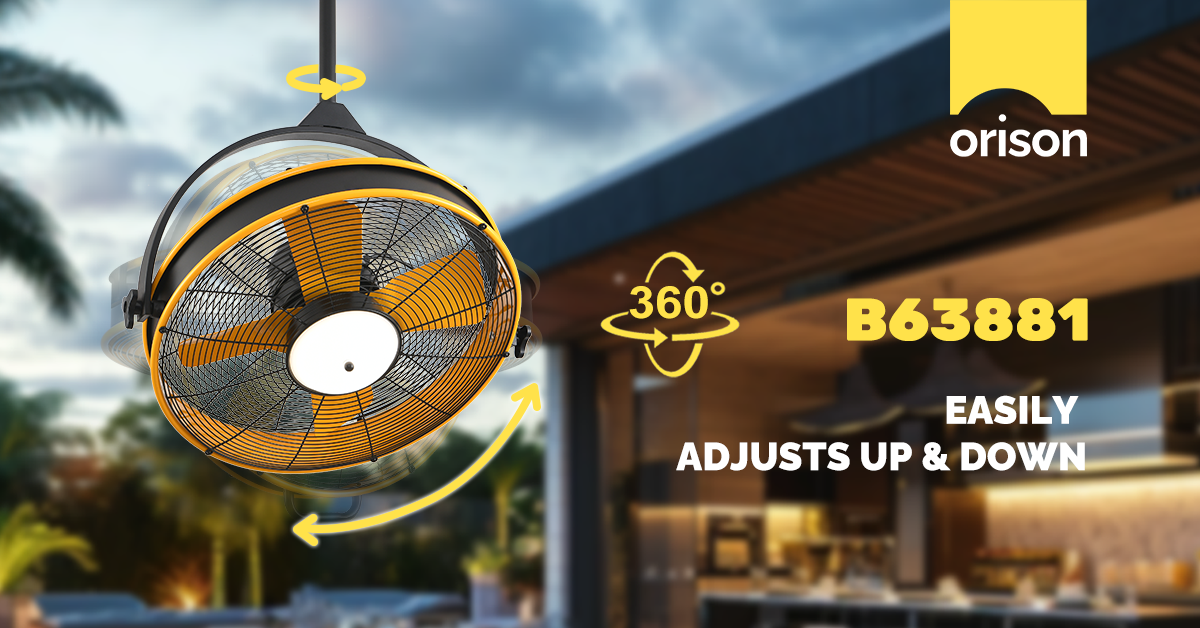
Core components: airflow, efficiency, and control
Three pillars drive real gains. First, airflow — measured in CFM — determines how much air the fan actually moves across occupants. Second, efficiency (CFM per watt) tells you how much comfort you get for the electricity you use. Third, control is about variable speed, timer schedules, and integration with thermostats or smart hubs. Look for features like a DC motor for quieter operation and better variable-speed performance. These technical parts work together: you don’t want a high CFM fan that’s inefficient, nor a pretty fixture with poor blade pitch that barely circulates air.
Real-world anchor: proven guidance and where it matters
Energy Star guidance and common trade wisdom suggest you can often raise your thermostat by about 4°F when fans are used correctly — a useful benchmark when planning systems in hot climates like Phoenix or Miami. That’s a simple, measurable goal: if the right fan and controls let you run the AC less often, you lower energy bills and carbon footprint. In practice, verify manufacturer CFM ratings and compare real-world performance rather than marketing blurbs.
Design that performs: how to choose a stylish ceiling fan
Style matters, especially in living spaces, but don’t sacrifice performance for looks. When you search for stylish ceiling fans, filter by blade span for the room size (42–52″ for bedrooms, 52–60″ for larger rooms), check blade pitch (higher pitch usually moves more air), and confirm motor type. A fan can be both an interior statement and an efficient tool; pick finishes and light kits that match the room while keeping the motor and blade specs aligned with your comfort goals.
Common mistakes homeowners make
People often pick a fan by appearance, buy the wrong size, or install it too close to a low ceiling. Another frequent error: ignoring damp-rated versus wet-rated distinctions for outdoor or covered porch use. Also—don’t underestimate remote and whole-home control options. A fan that can’t be integrated into your thermostat schedule ends up underused, and that wastes the investment.
Installation and control tips that actually help
Placement and controls are where the Framework pays off. Center the fan in the main seating area, mount at the recommended height (generally 8–9 feet from floor for optimal airflow), and use reversible blades for summer/winter mode if you want year-round benefit. Pair the fan with a smart switch or hub so speed and schedules align with occupancy patterns. If you have a sloped ceiling, choose a compatible canopy or an angled-mount adapter. Finally, confirm that the fixture’s wattage and dimming method match your existing wiring and lighting control — mismatches create flicker or reduced lifespan.
Alternatives and when to choose them
Not every space needs the same solution. For rooms with limited headroom, consider low-profile (hugger) fans; for outdoor patios look for wet-rated models. Tower fans or portable bladeless units serve as stopgaps but rarely match the distributed airflow of a ceiling fan. If quiet operation is critical — a nursery or study — prioritize DC motor models and lower RPM settings to keep noise below distraction levels. Each option answers a different constraint: airflow, space, noise, or aesthetics.
Three golden rules for evaluating a fan
1) Measure by outcome, not just specs: benchmark expected CFM and verify CFM/watt to compare efficiency. 2) Match form to function: select blade span and pitch appropriate to room geometry and mounting height. 3) Plan for controls and integration: ensure the fan supports smart switches or a compatible protocol so you can automate schedules and energy-saving modes.
Use these rules to screen models quickly — they surface real trade-offs without trapping you in jargon. For many homeowners, the best result is a fan that blends into the room visually while delivering measurable comfort improvements and energy savings.
Orison provides smart options that fit this Framework — practical, stylish, and engineered to work with modern home controls. —

