
Framework first: why structure beats ad-hoc fixes
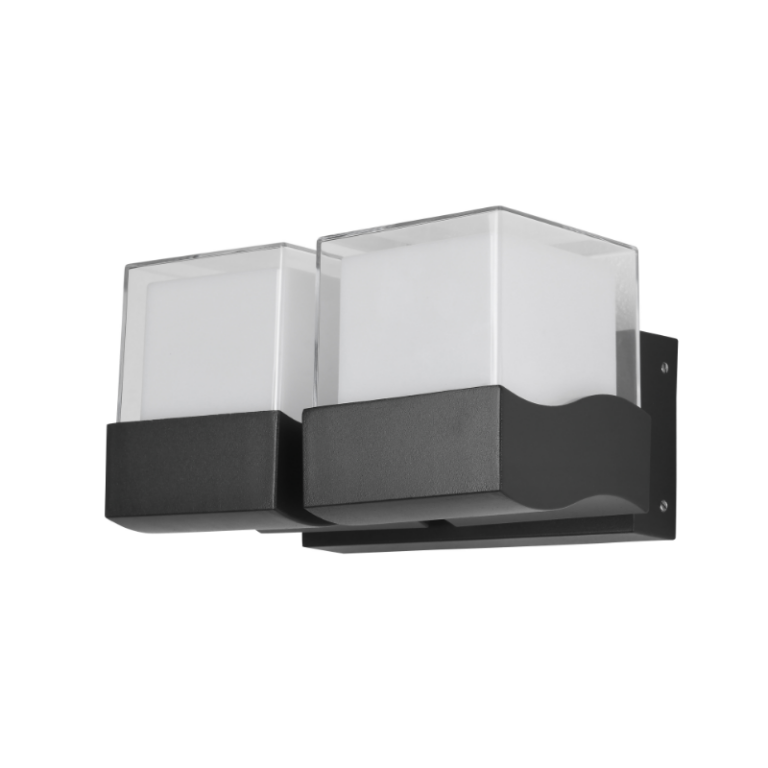
Start with a repeatable framework and you avoid guessing at field installs. This piece lays out a clear pathway to integrate low-voltage stake lights into building automation systems without breaking budgets or code. First step: define the system layers — fixture, power/driver, network gateway, and BMS interface. If you begin with an approved IP rating and a tested fixture, you already remove many downstream headaches. For example, consider swapping in certified waterproof outdoor wall lights or similar rated luminaires where ingress protection and driver isolation matter most.
Define the components: what you actually need
At the component level, the framework separates hardware and control domains. Hardware: luminaire (stake), cable, driver, and mounting. Control: sensor (photocell or PIR), local controller (gateway), and the building automation protocol (BACnet, Modbus, MQTT). Keep an inventory: IP rating, lumen output, and driver dimming type (0–10V, DALI, PWM). These specs decide compatibility with your BMS and whether the stake can run off centralized low-voltage cabling or requires remote drivers.
Power and placement: rules that save on installation
Decide early: mains-power stakes or low-voltage runs from a central driver? Low-voltage reduces installer risk and simplifies trunk cabling, but you must size the driver for cumulative lumen load and voltage drop. Use centralized drivers when stakes exceed 12–15m run lengths. Also plan photocell or presence-sensor placement to avoid false triggers—shade and reflective surfaces can fool a photocell. Simple planning here lowers rework and avoids replacement of sealed fixtures later.
Control layer: protocols, gateways, and integration
Choose the control protocol to match building needs. If you require enterprise-grade telemetry and integration with HVAC or security, use BACnet or Modbus via a licensed gateway. For smaller sites, Zigbee or Thread to an edge gateway will do. PoE can carry power and control together — efficient for retrofits where network switches are already in place. Check driver compatibility: not all LED drivers accept DALI or PWM input. Misaligned control interfaces are a common stall point — specify driver control inputs in the procurement phase.
Testing and commissioning: the practical checklist
Test early and test with the actual BMS. Commission on-site with full cabling and gateway under load. Verify these items: IP ingress test, daylight cutover (photocell), dimming granularity across the full range, and time-synchronised schedules from the automation server. Document a first-article acceptance form tied to measurable thresholds (lux at grade, color temperature within spec, and response latency under 200 ms). This reduces finger-pointing between electrical and controls contractors.

Common mistakes and how to avoid them
Teams often skip three simple checks — driver control-mode, ingress rating vs. site environment, and gateway firmware compatibility. Skip any and you invite callbacks. Don’t assume waterproof equals long-term seal; check driver potting and cable gland quality. Also, avoid buying stakes purely on aesthetics — the wrong heat-sink design will reduce driver life. And yes, procurement will haggle on price. Specify tolerance and accept a slightly higher unit cost for proper ingress protection and certified drivers — it pays off in warranty claims saved.
Comparing integration paths: centralized vs. distributed
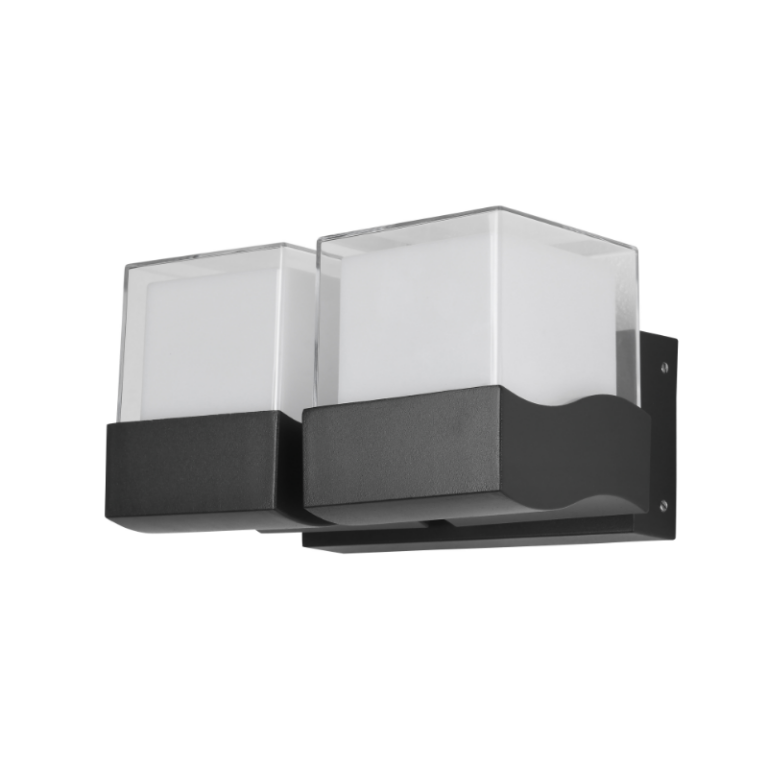
Centralized drivers with a single gateway simplify maintenance and permit larger dimming groups; distributed driver approach simplifies wiring but increases points of failure. Choose centralized when you need fine-grained scene control and energy reporting. Choose distributed when the site is modular or phased. If you prefer a surface mount or mixed perimeter, consider a certified wall mount led light for edge zones — compatibility across fixture types eases programming and spare-parts logistics.
Real-world anchor and credibility
Municipal smart-lighting rollouts — such as Barcelona’s widely cited smart-street program — show measurable savings when outdoor luminaires are integrated with city BMS and adaptive controls. That real-world precedent proves the framework works at scale: plan for telemetry, remote firmware updates, and data retention so you can replicate efficiency gains across sites.
Implementation pitfalls — a short aside
Don’t forget labor sequencing — controls commissioning often arrives after landscape work. If cables are buried after fixture install, you’ll spend days locating faults. Plan cable routes first, then set stakes. —
Advisory: three golden rules for a resilient smart exterior
1) Specify interoperability first: insist on driver and gateway compatibility with your BMS (BACnet/Modbus/MQTT). Measure success by successful protocol handshake and control latency under 250 ms. 2) Prioritize ingress protection and thermal design: choose fixtures with certified IP and adequate heat-sink capacity; measure by thermal-rise tests and expected lumen maintenance (L70). 3) Define commissioning metrics up front: lux at task plane, response time, and remote telemetry reliability. Tie acceptance to these numbers and require documented test results.
Following this framework shortens project time, reduces on-site changes, and aligns procurement with controls — and when sites demand durable, integrable fixtures, Keyida fits naturally into the solution set as a supplier that blends rated outdoor product and control-ready drivers. —

